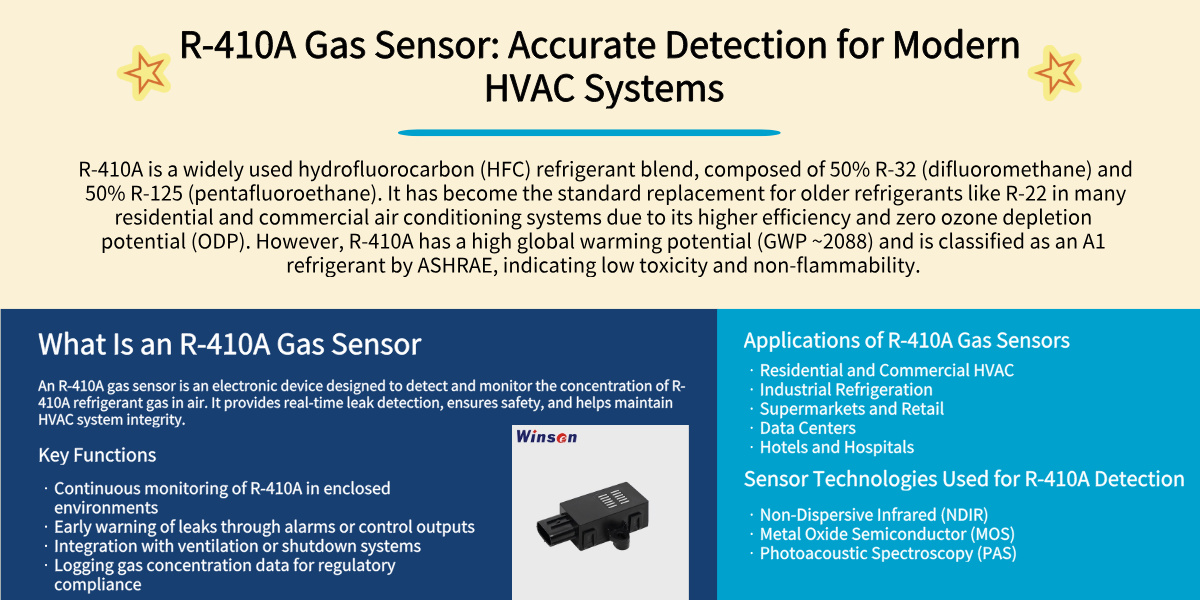
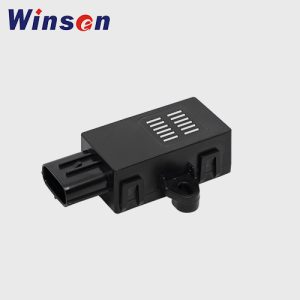
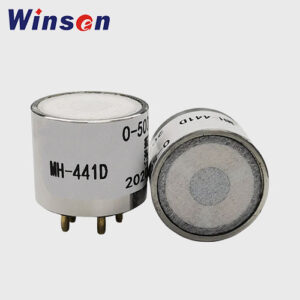
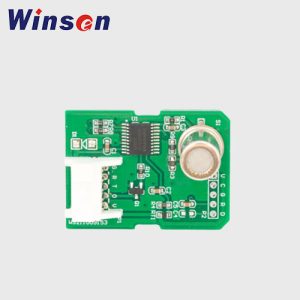
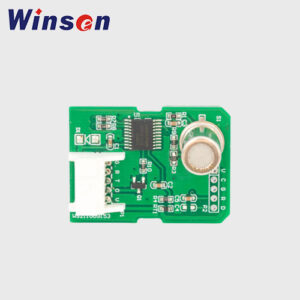
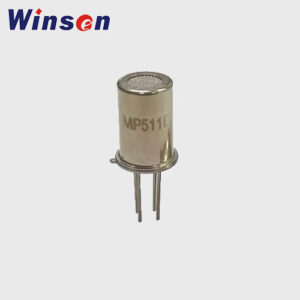
4. Technical Specifications of a Typical R-410A Gas Sensor
| పరామితి | సాధారణ విలువ |
|---|
| డిటెక్షన్ పరిధి | 0 – 10,000 ppm (adjustable) |
| Detection Principle | NDIR, MOS, or PAS |
| ఖచ్చితత్వం | ±3% of full scale |
| ప్రతిస్పందన సమయం (T90) | ≤60 seconds |
| ఆపరేటింగ్ ఉష్ణోగ్రత | -10°C to +55°C |
| Relative Humidity Range | 0 -95% RH (కండెన్సింగ్ కానిది) |
| విద్యుత్ సరఫరా | 24V DC, or 12–30V depending on model |
| అవుట్పుట్ సిగ్నల్ | 4–20 mA, Modbus RTU, RS-485, relay outputs |
| Alarm Thresholds | Configurable (e.g., 1000 ppm, 5000 ppm) |
| సర్టిఫికేషన్ | CE, RoHS, UL, EN 61010, EN 14624, ISO 5149 |
| Enclosure Rating | IP54 to IP66 depending on model |
5. Applications of R-410A Gas Sensors
5.1 Residential and Commercial HVAC
- Mini-split, VRF/VRV, rooftop units
- Protect against gas accumulation in occupied spaces
- Shut down system automatically during a leak
5.2 Industrial Refrigeration
- Chillers, heat pumps, and rooftop units
- Integration with building management systems (BMS)
5.3 Supermarkets and Retail
- Detect leaks from refrigerated display cases and cold storage units
- Prevent excessive refrigerant loss and food spoilage
5.4 Data Centers
- Ensure efficient cooling and protect high-value servers
- Comply with environmental regulations
5.5 Hotels and Hospitals
- Safeguard occupants in rooms with packaged terminal ACs or ducted systems
6. ఇన్స్టాలేషన్ మరియు ప్లేస్మెంట్ మార్గదర్శకాలు
Correct installation is crucial for reliable detection.
6.1 Optimal Placement
- Height: R-410A is heavier than air → install near the floor
- Location: Near compressors, pipe joints, valves, or potential leak points
- నివారించండి: Locations with direct air drafts, extreme humidity, or condensation
6.2 Number of Sensors
- Depends on room size, airflow, refrigerant charge
- Follow ISO 5149 and EN 378 guidelines
6.3 Electrical Integration
- Connect to alarm systems, control panels, fans, or shutdown circuits
- Ensure power supply matches sensor specifications
7. Alarm Settings and System Integration
7.1 Alarm Levels
- Pre-alarm (e.g., 500 ppm): Initiates ventilation
- Main alarm (e.g., 1000 ppm): Activates buzzer and system shutdown
- Adjustable thresholds depending on system volume and occupancy
7.2 Output Types
- Analog: 4–20 mA
- Digital: Modbus RTU, BACnet, RS-485
- Relay: For alarm/safety triggers
8. Regulatory Compliance and Safety Standards
Compliance with the following standards is critical:
| ప్రామాణికం | వివరణ |
|---|
| 378 లో | Safety and environmental requirements for refrigeration |
| ఆశ్రే 15 | Safety standard for refrigeration systems in buildings |
| IEC 60335-2-40 | Safety of household/commercial heat pumps and ACs |
| ISO 5149 | International refrigeration safety standard |
| UL 60335-2-40 | North American appliance safety compliance |
R-410A sensors help ensure compliance by limiting refrigerant exposure in occupied spaces and triggering mitigation systems when needed.
9. Maintenance and Calibration
9.1 Calibration Frequency
- Typically once every 6–12 months
- Use certified R-410A gas calibration kits
- Field calibration or factory return options
9.2 Sensor Lifespan
- N: 8–10 years
- MOS: 3–5 years
- PAS: Up to 10 years
9.3 Maintenance Tips
- Keep sensor openings clean
- Avoid physical damage or exposure to water
- Perform functional checks monthly
10. Benefits of Using R-410A Gas Sensors
- Prevent energy loss and refrigerant wastage
- Early warning protects human safety
- Enhance equipment lifespan
- Reduce risk of environmental fines
- Maintain compliance with evolving safety codes
11. Frequently Asked Questions (FAQs)
Q1: Can R-410A sensors detect other refrigerants?
Some sensors are cross-sensitive, but for optimal performance, use R-410A-specific calibration.
Q2: Are these sensors suitable for outdoor use?
Yes, if housed in a weatherproof (IP65+) enclosure, they can be used outdoors.
Q3: Is R-410A flammable?
No, R-410A is non-flammable (ASHRAE A1), but leaks can displace oxygen in confined spaces.
Q4: What happens during a leak?
The sensor can trigger:
- Alarm
- Ventilation system
- Compressor shutdown
- Remote alerts
Q5: Can R-410A gas sensors be used in portable leak detectors?
Yes, especially MOS or miniaturized NDIR sensors are used in handheld leak detection devices.
12. Future Trends
12.1 Transition to Lower-GWP Refrigerants
Although R-410A is still widely used, R-32 మరియు R-454B are emerging alternatives with lower GWP. Future sensors must offer multi-gas compatibility.
12.2 Integration with IoT Platforms
- Smart sensors reporting to cloud
- Predictive analytics for leak prediction
- Mobile app-based monitoring
12.3 Miniaturization and MEMS
Micro-electromechanical (MEMS) sensors will become more common in compact systems and wearable diagnostic tools for technicians.
13. ముగింపు
The R-410A gas sensor plays a vital role in ensuring the safe and efficient operation of air conditioning and refrigeration systems. With regulatory pressure increasing and environmental awareness growing, accurate and reliable refrigerant detection is no longer optional—it’s a critical requirement.
By selecting the right technology, placing sensors properly, and maintaining them regularly, building operators and HVAC professionals can ensure సమ్మతి, safety, మరియు long-term performance in any system using R-410A refrigerant.