Refrigerant Sensor Brazil | Refrigerant Sensor Supply | China Sensor Factory– Winsen

Reliable Refrigerant Sensor Supplier | China Sensor Factory

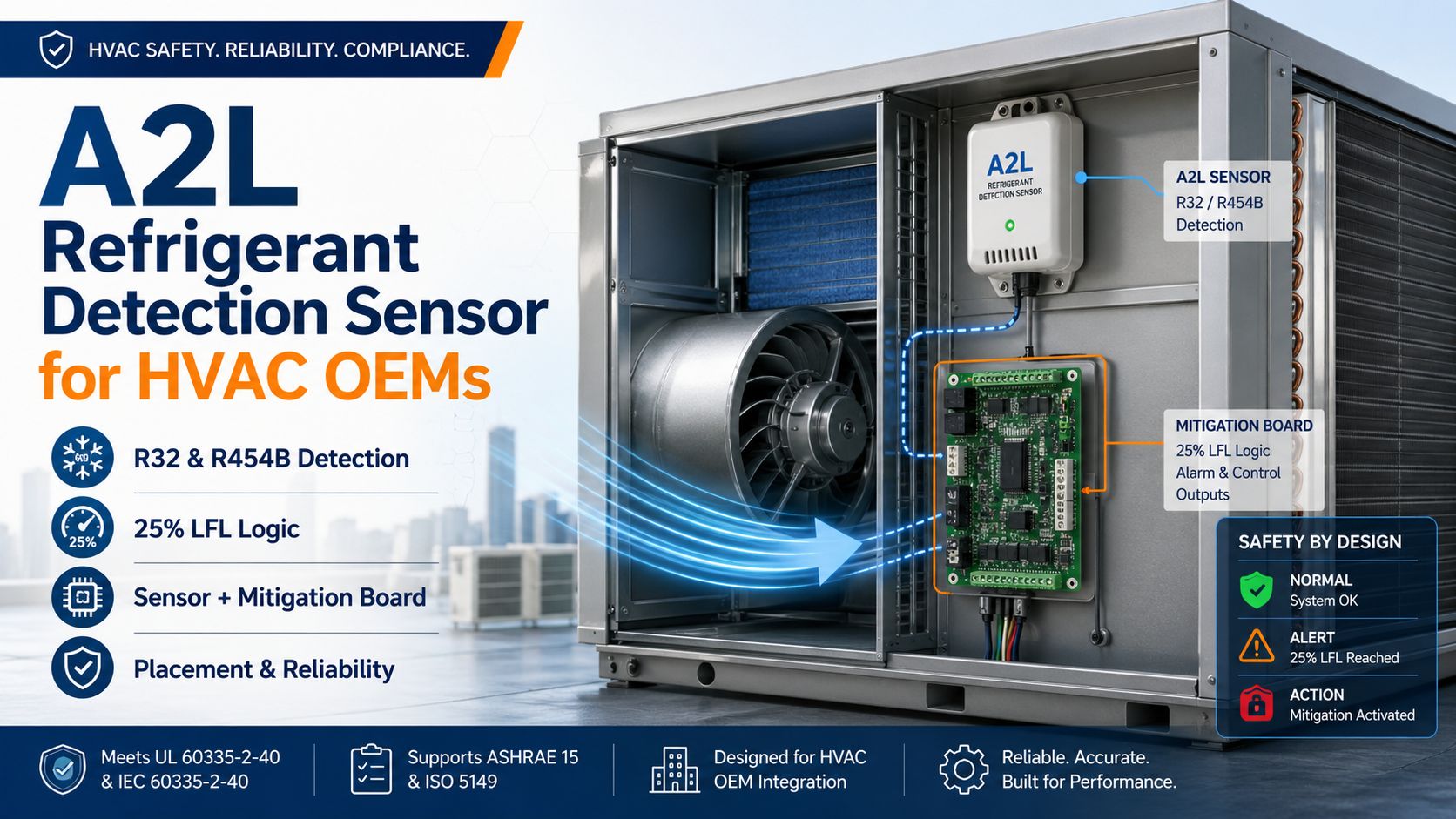
With the rapid development of air conditioning, refrigeration, automotive HVAC, cold chain logistics, and heat pump technology, the demand for refrigerant sensors has been rising globally. Brazil, as one of the largest markets in South America for refrigeration and air conditioning systems, places increasing emphasis on environmental protection, energy efficiency, and safety monitoring. In this context, refrigerant sensors have become indispensable components to ensure compliance with regulations, reduce greenhouse gas emissions, and improve operational safety.

Winsen (Zhengzhou Winsen Electronics Technology Co., Ltd.), a China stock market listed company (since 2009) and one of the world’s most complete gas sensing solution suppliers, is proud to provide advanced refrigerant sensor technologies to global customers, including partners in Brazil and Latin America.

Types of Refrigerant Sensors

Refrigerant Sensor - Factory Wholesale Available Worldwide

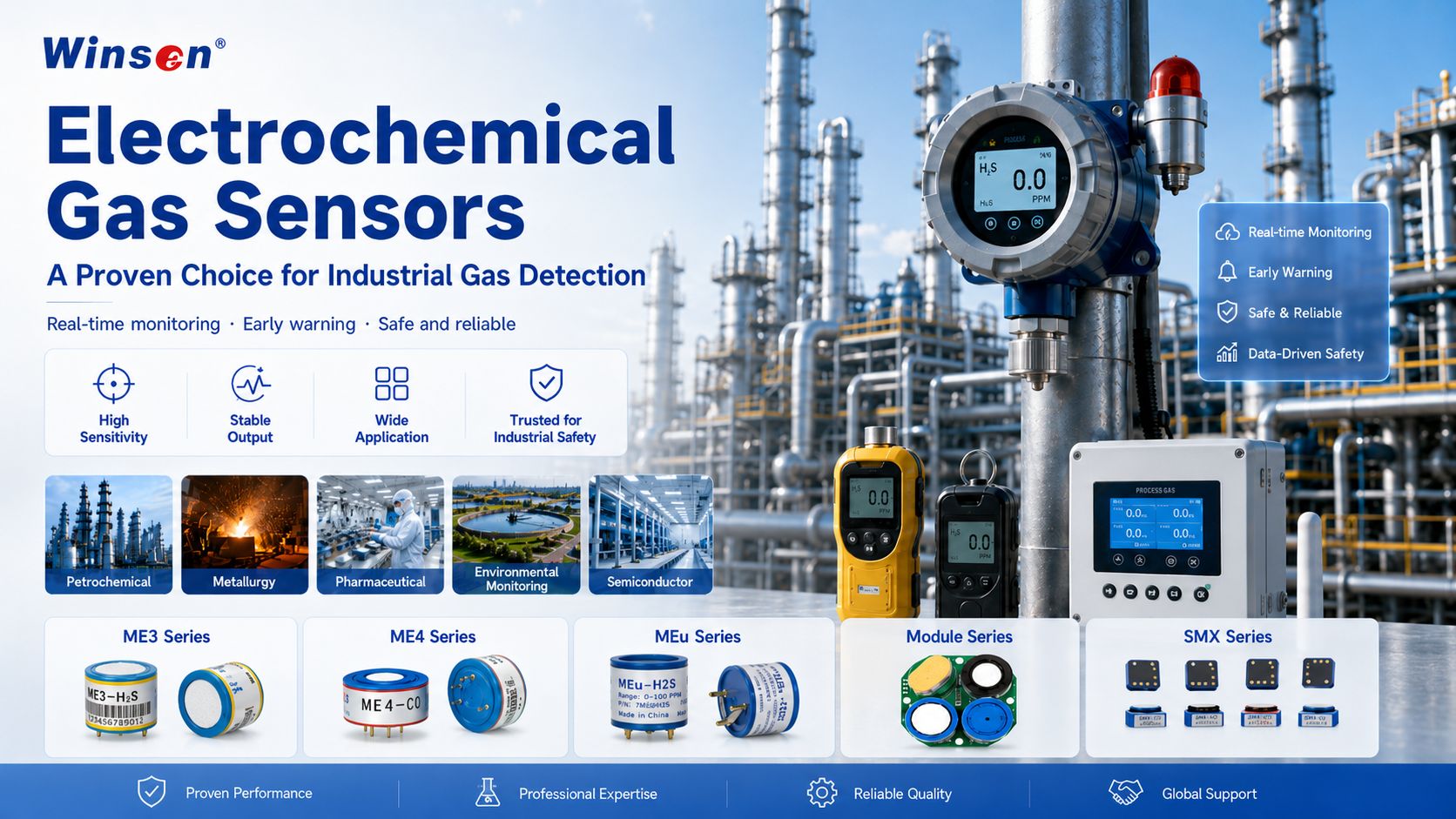
Zhengzhou Winsen Electronics Technology Co., Ltd., a Chinese stock market listed company since 2009, is a professional manufacturer with 30+ years of experience in gas sensing technology. We provide the most complete sensing solutions with 7 categories and 200+ series, covering gas sensors, pressure, flow, humidity sensors, and related instruments. Our products are widely applied in household, automotive, medical, industrial safety, fire prevention, smart city, and environmental monitoring, trusted by global partners for reliability, innovation, and quality.

Long operational lifespan

Stable calibration

High sensitivity

Fast response and recovery time

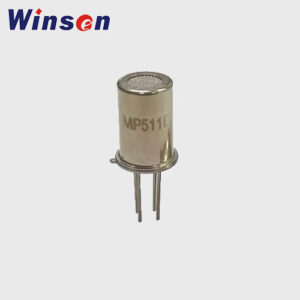
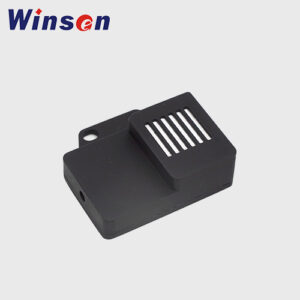
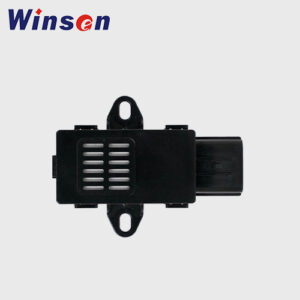
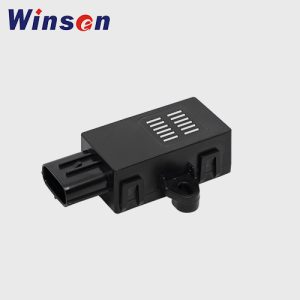
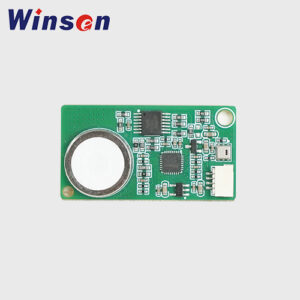
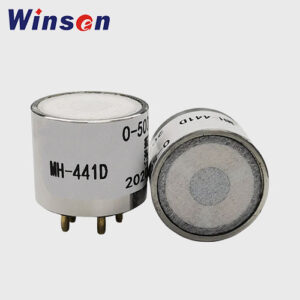
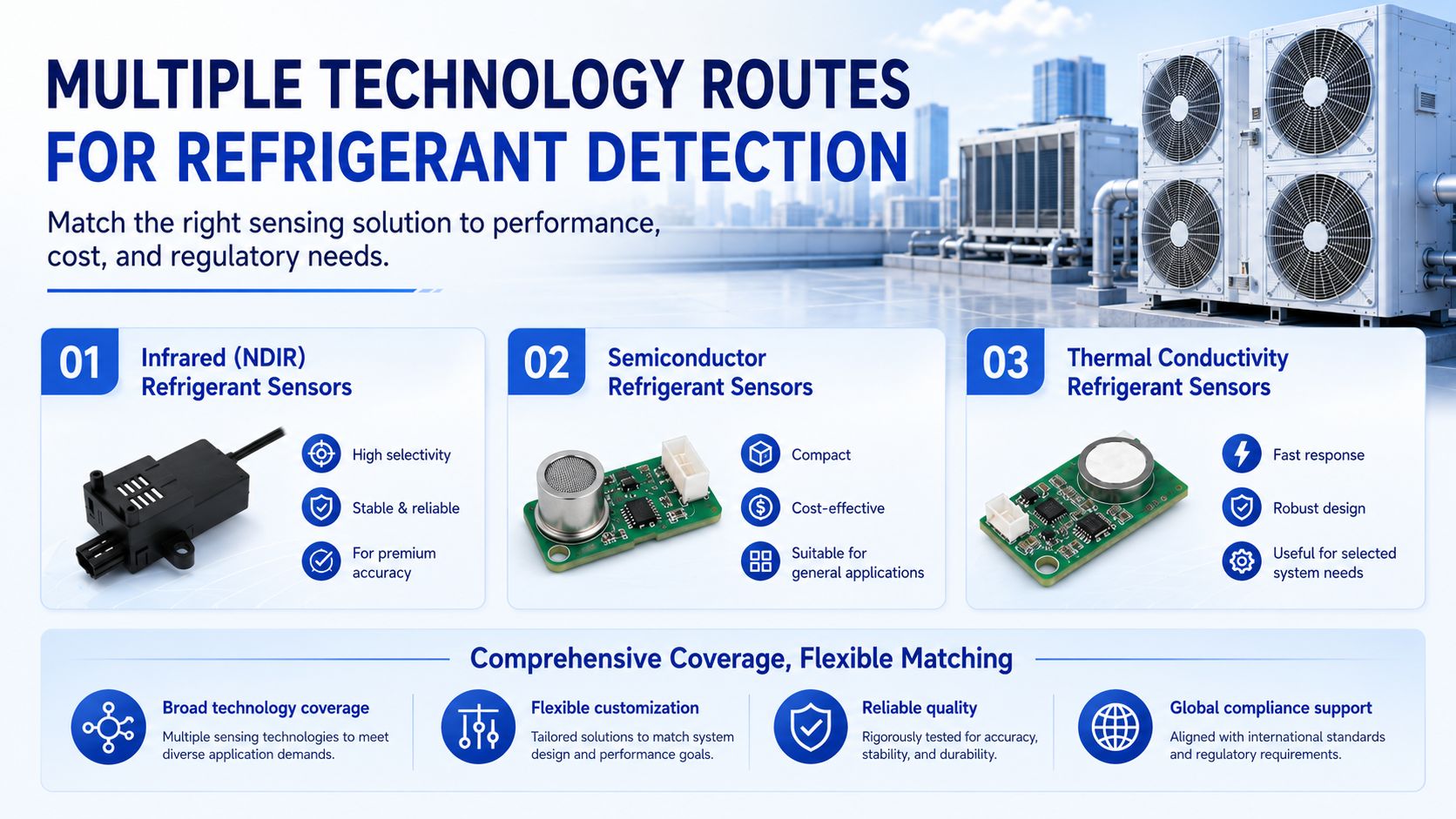
NDIR Refrigerant Sensor

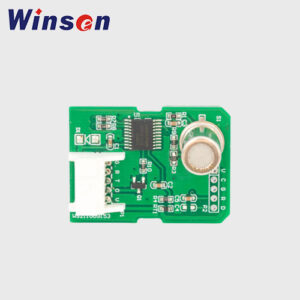
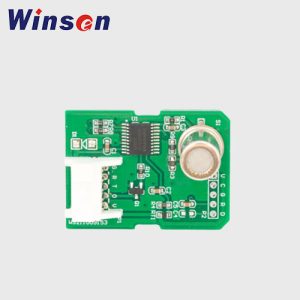
Semiconductor Refrigerant Sensor

Technical Comparison of Semiconductor (Metal Oxide) vs. Infrared (NDIR) Refrigerant Sensors

లక్షణంSemiconductor (Metal Oxide) Sensorsఇన్ఫ్రారెడ్ (ఎన్డిఐఆర్) సెన్సార్లు
పని సూత్రంReact to refrigerant gas by altering the conductivity of a metal oxide surface.Use Non-Dispersive Infrared (NDIR) absorption to detect specific gas wavelengths.
ప్రోస్– Cost-effective
– Compact design
– Quick response to basic gas detection
– High accuracy
– Long operational life
– Specific to target refrigerants (low cross-sensitivity)
ప్రతికూలతలు– Susceptible to cross-sensitivity (false readings from other gases)
– Affected by humidity
– Higher initial cost
– Slower response time
– Larger physical footprint
Ideal ForBudget-sensitive applications, simple leakage alarms, or non-critical environmentsPrecision-driven systems, industrial monitoring, or applications requiring high reliability

Applications of Refrigerant Sensors in Brazil

Air Conditioners & HVAC

  • Leak detection in residential and commercial AC units.

  • Energy efficiency optimization.

Refrigeration & Cold Chain

  • Food storage and transport monitoring.

  • Supermarkets and large cold warehouses.

Automotive HVAC Systems

  • R134A and R1234yf refrigerant leak monitoring.

  • EV heat pump systems in electric vehicles.

Industrial Refrigeration

  • Ammonia and CO₂ refrigerant detection.

  • Large-scale cooling plants and factories.

Heat Pumps & Green Energy

  • R290 and R600a refrigerant monitoring in eco-friendly systems.

Why Global Clients Choose Us?

The company consistently adheres to the quality policy of “Fine Craftsmanship, Scientific Innovation, Pursuit of Excellence, and Value-Added Service.” By formulating production process control plans and work instructions, it has established a standardized, accountable, and regulated process management system. Additionally, the company has independently developed an MES production management system, enabling comprehensive and visual management across the entire workflow.

30+ YEARS OF EXPERIENCE

R&D, manufacture and sales of sensors and sensing solutions.

QUALITY GUARANTEE CONTINOUS IMPROVEMENT

Complete and rigid process flow control, coupled with significant improvements.

INTERNATIONAL MARKET

Deliver sensing products to more than 100 countries and regions.

STABLE SUPPLY CHAIN RELIABLE PRODUCTION

Core components not subject to constraints, advanced equipments for manufaturing and test.

R&D STRENGTH TECHNOLOGY INNOVATION

200+ patents, 180+ R&D team members, self-built labs for continous innovation.

ONE-STOP SERVICE

Professional consultation, fast delivery, 24 hours after-sales support.

Leading the Industry, Innovative & Controllable Technology

With robust R&D capabilities, we maintain sustained input in R&D and unwavering commitment to technological innovation. This not only ensures that we remain at the forefront of industry but also drives continuous innovation, leading the future trend of the sensing industry.

10% R&D Input

The average annual R&D input exceeds 10% of the annual revenue.

5+ R&D Layout

With Zhengzhou headquarters as the core, a nationwide R&D and innovation system is being established, encompassing cities of Shanghai, Wuhan, Shenzhen, and Taiyuan.

180+ R&D Team

There are over 180 R&D personnel, including more than 10 with doctoral degrees and over 50 with master's degrees, who have an average of more than 8 years of experience in sensor development.

20+ Experiment Types

Gas-related, Climatic Environment, EMC, Electrical Performance, Mechanical Performance, etc.

10+ Advanced Laboratories

CNAS Laboratory, MEMS Laboratory, UL Laboratory, Nanocomposite Materials Laboratory, etc.

400+ sets Leading R&D Equipment

Cube Storage, Die Bonder, Lithography Machine, Coating Machine, SMT Placement Machine, Automatic Probe Station, etc.

Request Consultation

    విజయం! మీ సందేశం మాకు పంపబడింది.
    లోపం! మీ సందేశాన్ని పంపే లోపం ఉంది.
    వెచాట్

    వాట్సాప్

    Why Refrigerant Sensors Are Critical in Brazil

    Brazil has a tropical and subtropical climate, which creates a huge demand for air conditioning, refrigeration, and cold chain systems. At the same time, international regulations such as the మాంట్రియల్ ప్రోటోకాల్ కు సవరణ require a gradual phase-down of HFC refrigerants due to their high గ్లోబల్ వార్మింగ్ సంభావ్యత (జిడబ్ల్యుపి).

    Key reasons why Brazil needs refrigerant sensors::

    1. Environmental Protection – Monitoring refrigerant leaks helps reduce greenhouse gas emissions.

    2. శక్తి సామర్థ్యం – Leakage detection ensures cooling systems work at peak performance, avoiding energy waste.

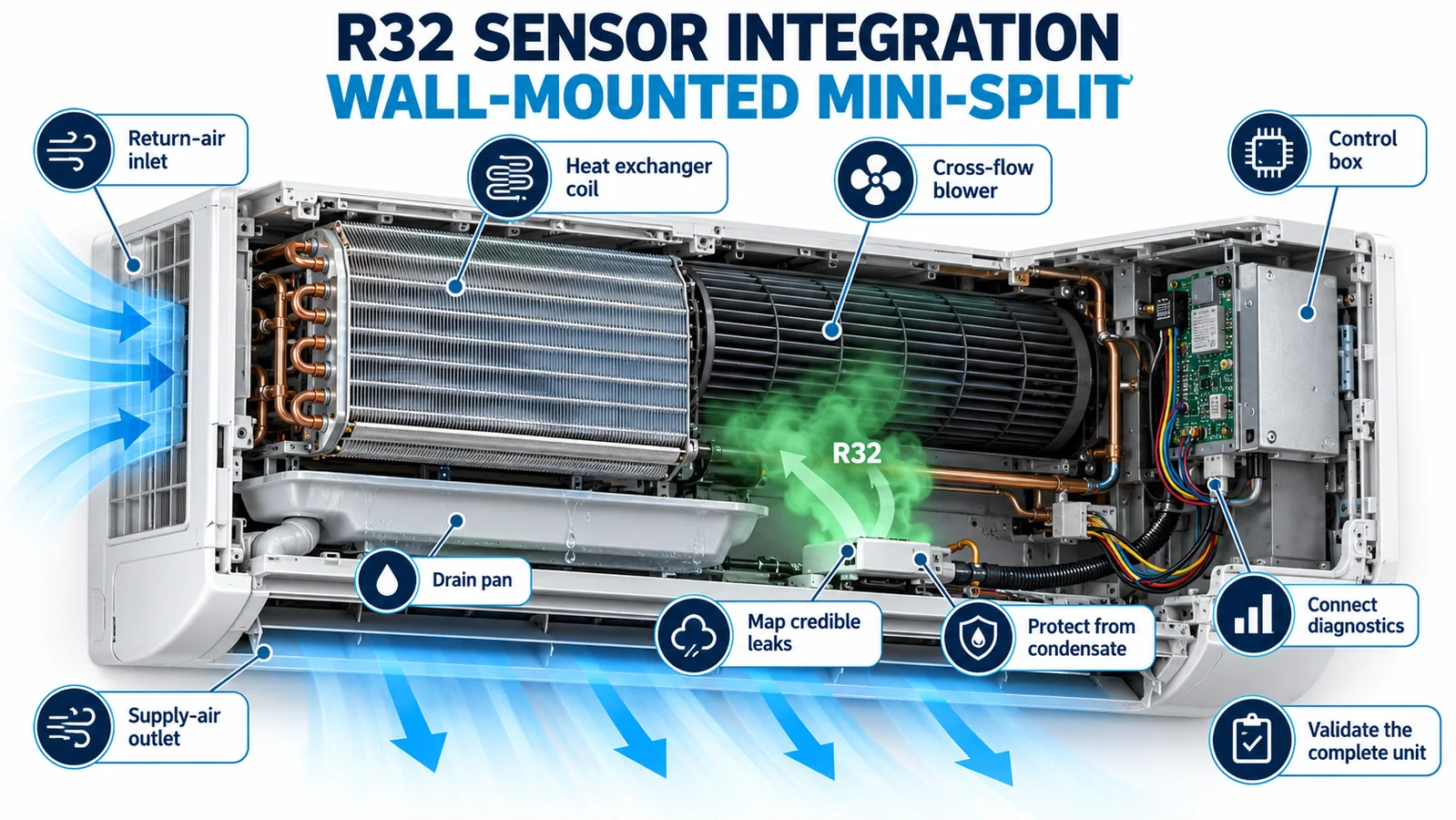
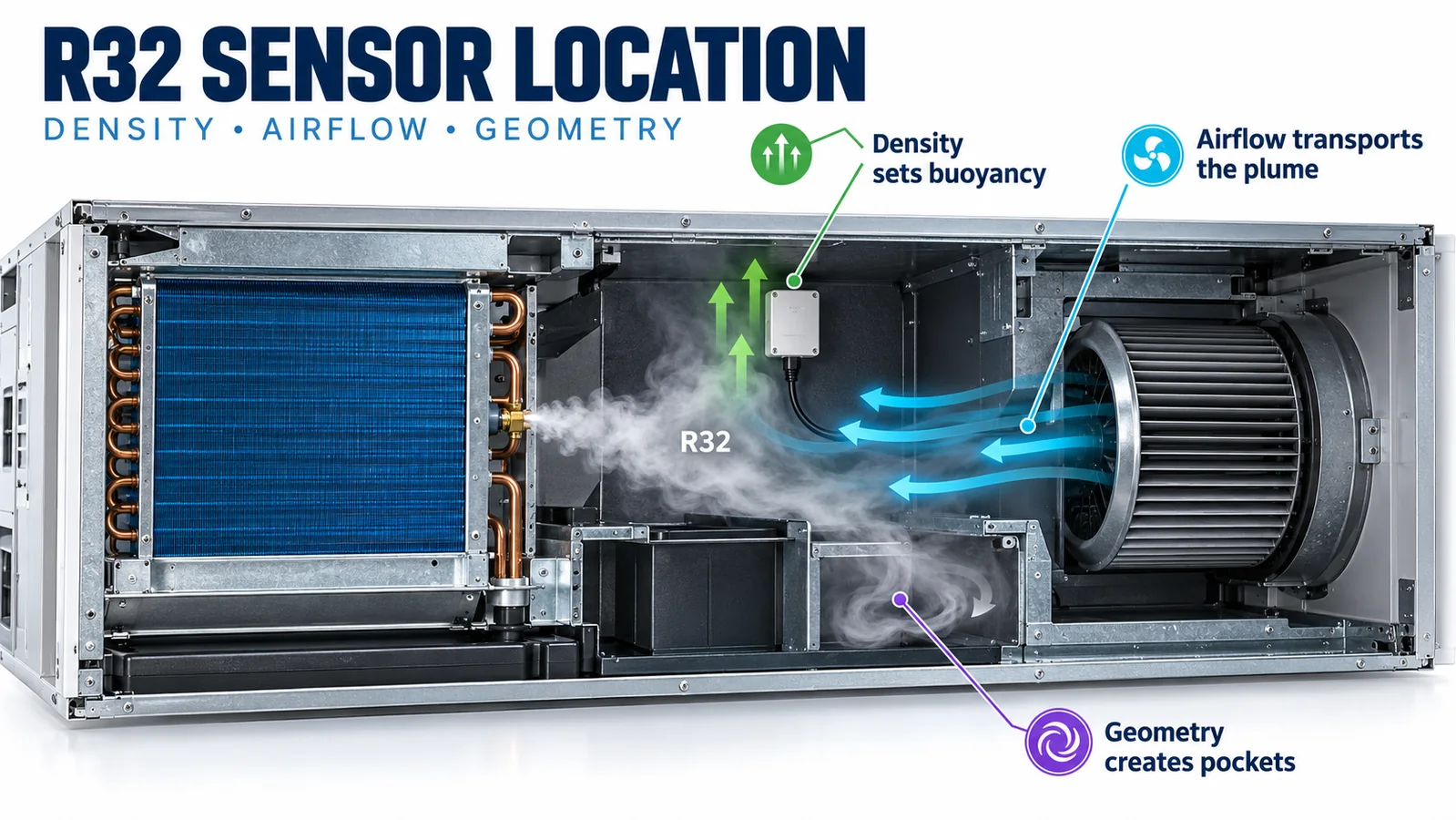
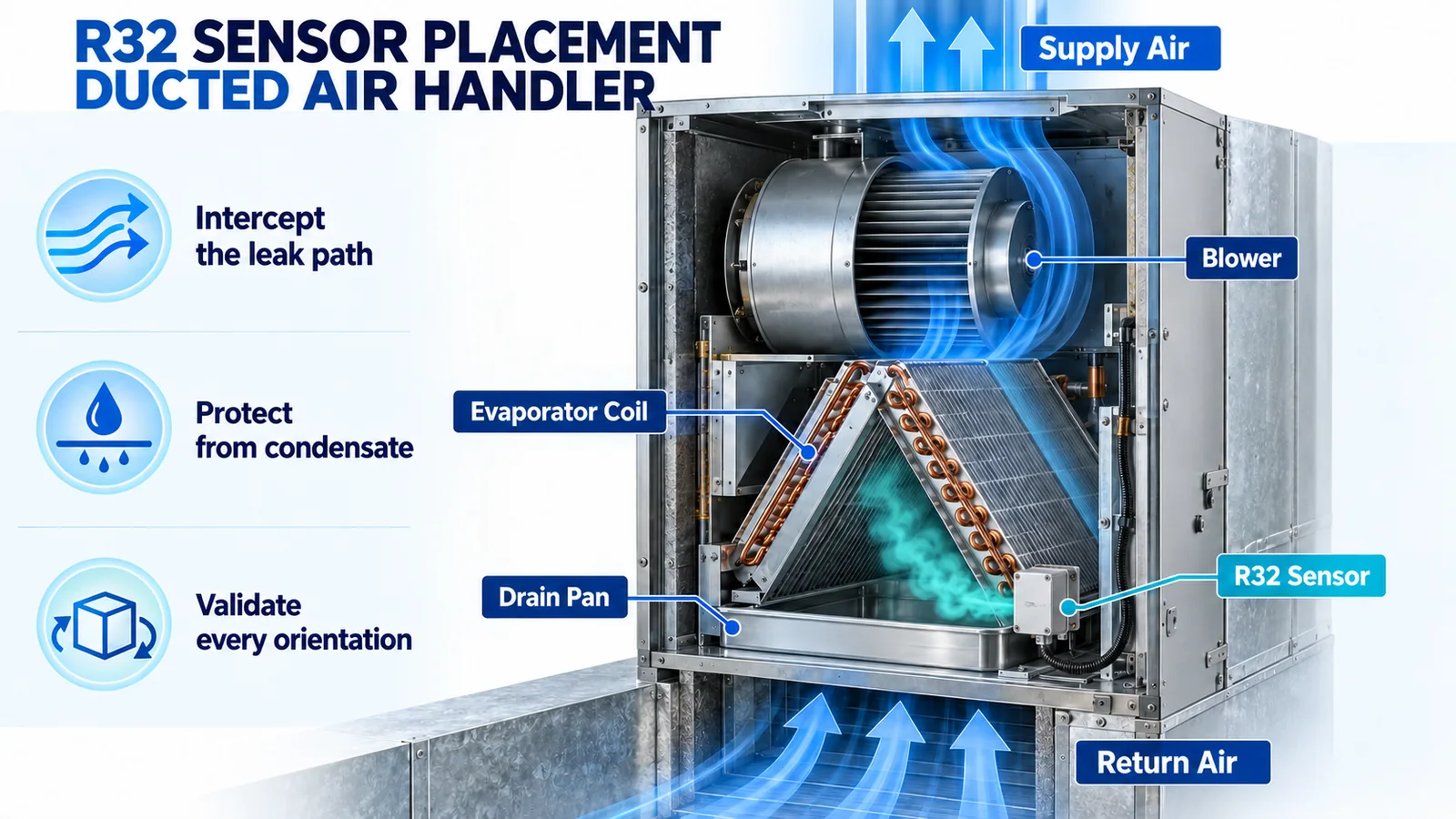
    3. భద్రత – Refrigerant gases such as R32, R290 (propane), or R600a (isobutane) are flammable, requiring reliable sensors for leak detection.

    4. నియంత్రణ సమ్మతి – Brazil is aligning with global F-gas regulations, making leak detection mandatory in many applications.

    5. Industrial Growth – Cold storage, supermarkets, and pharmaceutical logistics demand రియల్ టైమ్ రిఫ్రిజెరాంట్ పర్యవేక్షణ.

    Why Choose Winsen for Brazil

    • Tailored Solutions – Sensors adapted for Brazilian climate, industry standards, and local needs.

    • High Reliability – Long lifespan, accurate detection, stable performance.

    • Compliance Support – Helping companies in Brazil meet Kigali Amendment and ANVISA/INMETRO requirements.

    • Cost-Effective – Direct supply from China factory ensures competitive prices.

    • Strong Technical Support – Global service team with English and Portuguese support available.

    Frequently Asked Questions (FAQs) about Refrigerant Sensors

    1. What is a refrigerant sensor?

    A refrigerant sensor is a device used to detect the presence and concentration of refrigerant gases in systems such as HVAC, refrigeration units, and automotive air conditioning. It plays a vital role in ensuring safety, efficiency, and environmental compliance by identifying leaks or abnormal gas levels.

    శీతలకరణి సెన్సార్: ఆధునిక వ్యవస్థలలో సూత్రాలు, అనువర్తనాలు మరియు ప్రాముఖ్యత


    2. How does a refrigerant sensor work?

    Refrigerant sensors detect gases using technologies such as infrared (IR) absorption, electrochemical reactions, semiconductor conductivity, or photoacoustic effects. Each method identifies refrigerant gases by measuring specific physical or chemical changes caused by their presence.


    3. Why are refrigerant sensors important?

    Refrigerant sensors are essential for maintaining safety by detecting leaks that can be hazardous or flammable. They also ensure system efficiency by monitoring refrigerant levels and help meet environmental regulations by preventing harmful gas emissions.


    4. Where are refrigerant sensors commonly used?

    These sensors are used in a variety of applications, including HVAC systems, commercial and industrial refrigeration, automotive air conditioning, and environmental monitoring systems. They are also found in areas where refrigerant leaks could pose health or safety risks.


    5. How often should a refrigerant sensor be calibrated?

    Most refrigerant sensors should be calibrated at least once a year. However, calibration frequency may increase depending on environmental conditions, regulatory requirements, or the critical nature of the application.


    6. What are signs of a failing refrigerant pressure sensor?

    Common signs include warm air from air conditioning vents, erratic system behavior, frequent compressor shutdowns, and warning lights on the control panel. These symptoms suggest the sensor may not be accurately detecting pressure or gas levels.


    7. Can I test a refrigerant pressure sensor myself?

    Yes, testing can be done using tools like a multimeter, pressure gauges, or diagnostic scanners. However, due to the technical nature of HVAC systems, it’s often recommended to have a professional perform diagnostics to ensure accurate results and safe handling.


    8. How long does a refrigerant sensor typically last?

    The lifespan of a refrigerant sensor varies depending on the operating environment and maintenance practices. Under normal conditions and with regular servicing, a sensor can last several years. Harsh or corrosive environments may reduce its lifespan.


    9. What maintenance is required for refrigerant sensors?

    Regular inspection, cleaning, and calibration are the main maintenance tasks. It’s also important to keep the sensor dry, avoid physical damage, and replace it promptly if it shows signs of malfunction or inaccuracy.


    10. Are refrigerant sensors required by law or regulations?

    Yes, in many regions, standards such as EN 378 in Europe and ASHRAE 15 in the United States require refrigerant leak detection for safety and environmental protection. Compliance with these regulations often mandates the use of reliable and properly calibrated refrigerant sensors.

    More Refrigerant Sensors Knowledge

    ఖచ్చితంగా తెలియదు ఏ సెన్సార్ సరైనదేనా?

    ప్రస్తుతం ఉచిత ప్రారంభ సంప్రదింపులు పొందండి

    మీ బండికి జోడించబడింది.
    చెక్అవుట్