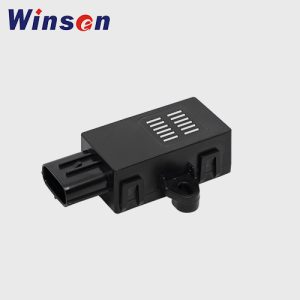
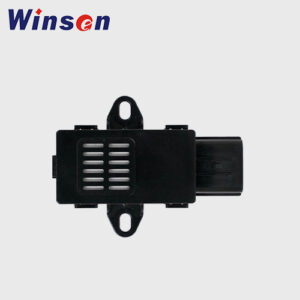
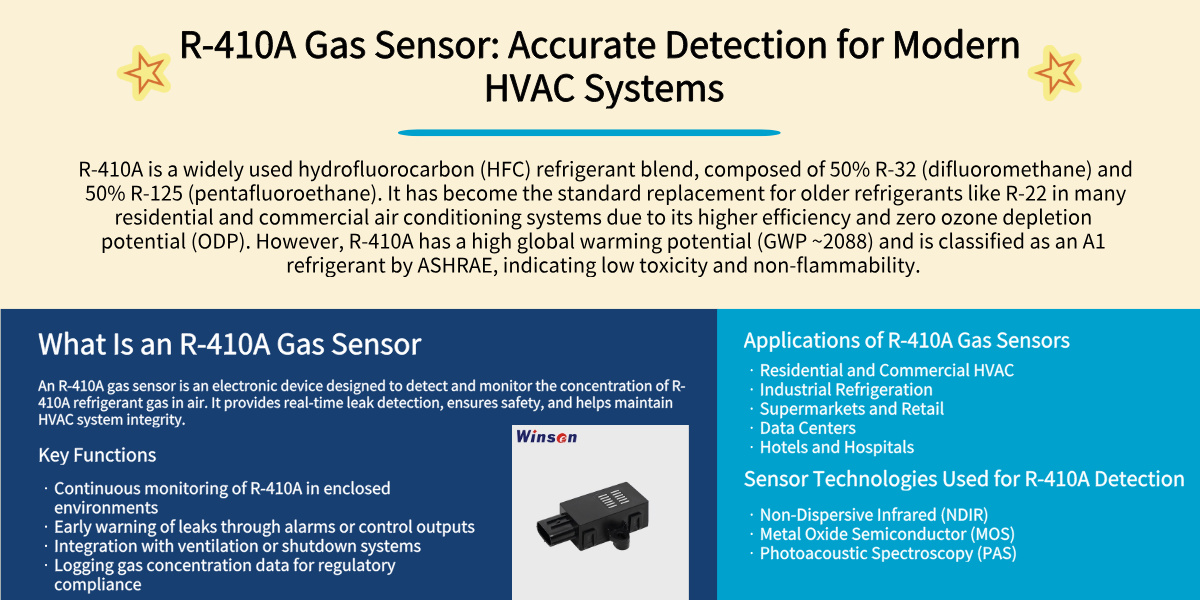
Refrigerant Gas Leak Sensor (Leak Detector) — A1 / A2L / A3
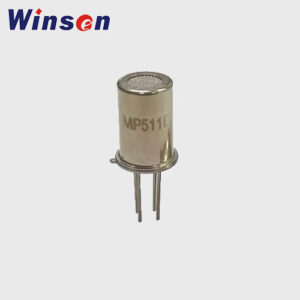
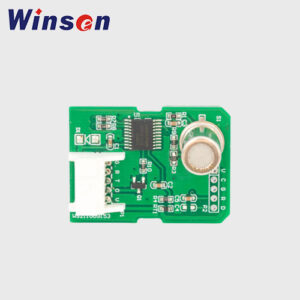
Winsen® manufactures fixed refrigerant gas leak sensors and detectors for A1 (R134a, R410A, R404A), A2L (R32, R454B, R1234yf/ze), and A3 (R290, R600a). Scegliere È n per il preavviso di ppm o MOS/DIR per interblocchi di sicurezza %LEL: pronto per BMS/PLC tramite 4–20 Ma, RS-485Modbus, E uscite relè.


Model Guide — Select by Refrigerant Class
A1 HFC/HFO — NDIR PPM
- Intervalli: 0–1.000 / 0–5.000 ppm (personalizzabile)
- Uscite: 4–20 mA, RS-485 Modbus, 1–2 relè
- T90 ≤ 30 s • Bassa deriva, lunga durata
A2L a basso GWP — NDIR PPM/%LEL
- Preavviso PPM e/o 0–100% LFL/LEL
- 4–20 mA / RS-485 / relè
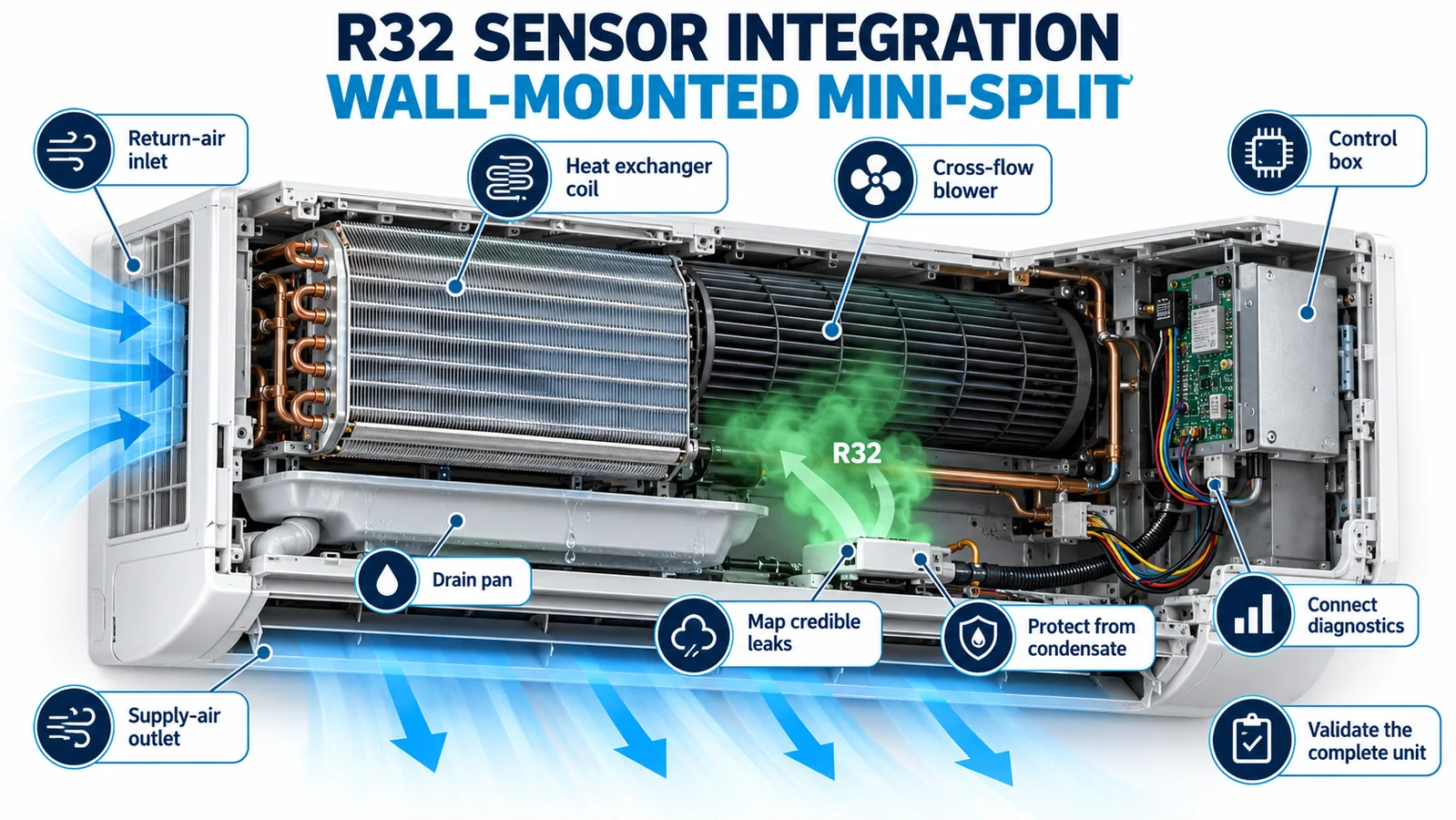
- Ideal for VRF/VRV rooms & heat pumps
A3 Infiammabile — %LEL Sicurezza
- Intervallo: 0–100% LEL (NDIR-LEL o MOS)
- Relè per interblocchi ventilatore/avvio-arresto
- Custodie robuste fino a IP65
Why a Refrigerant Gas Leak Sensor?
- Avvertimento precoce: Detect ppm-level leaks before comfort or uptime is affected.
- Interblocchi di sicurezza: Use %LFL thresholds to start ventilation and shut down equipment.
- Integrazione: Native 4–20 mA / RS-485 / relays for BMS, PLC, horns and beacons.
- Lower loss & service cost: Continuous monitoring reduces refrigerant escape and downtime.
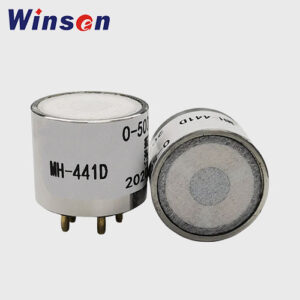
Sensore del refrigerante NDIR
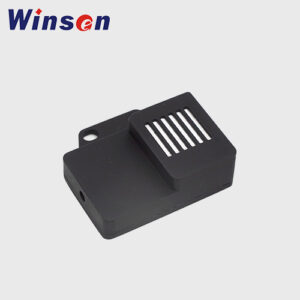
Sensore refrigerante a semiconduttore
Confronto tecnologico
| Tecnologia | Ideale per | Allineare | Vantaggi | Considerazioni |
|---|---|---|---|---|
| NDIR (infrarossi) | A1 ppm; A2L ppm/%LEL | ppm → %LEL | Elevata selettività, deriva ridotta, non dipendente da O₂ | Proteggere da forte condensa/polvere (filtri/involucri) |
| MOS (semiconduttore) | A2L/A3%LIE | 0–100% LIE | Risposta rapida; robusto; conveniente | Possible cross-sensitivities; periodic calibration |
| Perla catalitica | Idrocarburi generali (A3) | 0–100% LIE | Maturo, ampiamente utilizzato | Richiede O₂; può essere avvelenato (siliconi/piombo) |
Tipiche applicazioni CA

VRF/VRV indoor units & hotel rooms
Montare in basso (~150–300 mm dal pavimento) vicino alle unità interne e ai punti di raccolta. Preallarme → spurgo aria fresca; allarme principale → spegnimento ventilatore/unità interna.

Chiller & machinery rooms, compressor racks
Place near compressors, oil separators, valves, and floor low spots/sumps. Use IP-rated housings and BMS interlocks.

Cold storage & refrigerated display cases
Install beneath cases and along manifolds/pipe runs. Use condensation-resistant designs; alarms can close curtains and start extract.

Unità in fila/CRAC del data center
Position in return-air paths, beneath raised floors, and near coils. PPM early warning protects personnel and uptime.

Heat pumps & general HVAC equipment
Per A2L/A3, utilizzare i livelli %LFL (~25% preallarme; ~50% principale) per attivare la ventilazione e l'arresto sicuro.
Opzioni tecnologiche
| Tecnologia | Ideale per | Allineare | Vantaggi | Considerazioni |
|---|---|---|---|---|
| NDIR (infrarossi) | A1 ppm; A2L ppm/%LEL | ppm → %LEL | Elevata selettività, deriva ridotta, non dipendente da O₂ | Proteggere da forte condensa/polvere (filtri/involucri) |
| MOS (semiconduttore) | A2L/A3%LIE | 0–100% LIE | Risposta rapida; robusto; conveniente | Possible cross-sensitivities; periodic calibration |
| Perla catalitica | Idrocarburi generali (A3) | 0–100% LIE | Maturo, ampiamente utilizzato | Richiede O₂; può essere avvelenato (siliconi/piombo) |
Placement & Setpoints — Good Practice
- Altezza di montaggio: La maggior parte dei refrigeranti sono più pesanti dell'aria ⇒ montati in basso; confermare con il flusso d'aria in loco.
- Copertura: ~5–10 m di raggio per sensore in ambienti aperti; aggiungere unità vicino a valvole/giunti e tasche basse.
- Allarmi: A2L/A3: preallarme ≈25% LFL; principale ≈50% LFL. A1: bande di ppm (ad esempio, 1.000–5.000 ppm) in base alle specifiche del progetto.
- Interblocchi: Preallarme → ventilazione; Principale → spegnimento apparecchiatura + evento segnalatore acustico/avvisatore acustico/BMS.
Finalizza soglie e quantità in base alle specifiche del progetto e ai codici locali.
Perché i clienti globali ci scelgono?
La società aderisce costantemente alla politica di qualità di "sottile artigianato, innovazione scientifica, ricerca dell'eccellenza e servizio a valore aggiunto". Formulando i piani di controllo dei processi di produzione e le istruzioni di lavoro, ha istituito un sistema di gestione dei processi standardizzato, responsabile e regolato. Inoltre, la società ha sviluppato in modo indipendente un sistema di gestione della produzione MES, consentendo una gestione completa e visiva in tutto il flusso di lavoro.

Oltre 30 anni di esperienza
R&D, manufacture and sales of sensors and sensing solutions.
Garanzia di qualità miglioramento continuo
Controllo del flusso di processo completo e rigido, accoppiato a miglioramenti significativi.


Mercato internazionale
Fornire prodotti di rilevamento a oltre 100 paesi e regioni.
Produzione affidabile della catena di approvvigionamento stabile
Componenti di base non soggetti a vincoli, apparecchiature avanzate per la manufatura e il test.


R&D STRENGTH TECHNOLOGY INNOVATION
200+ patents, 180+ R&D team members, self-built labs for continous innovation.
Servizio unico
Consultazione professionale, consegna rapida, supporto al netto di 24 ore.

Leading the Industry, Innovative & Controllable Technology
With robust R&D capabilities, we maintain sustained input in R&D and unwavering commitment to technological innovation. This not only ensures that we remain at the forefront of industry but also drives continuous innovation, leading the future trend of the sensing industry.

10% R&D Input
The average annual R&D input exceeds 10% of the annual revenue.
5+ R&D Layout
With Zhengzhou headquarters as the core, a nationwide R&D and innovation system is being established, encompassing cities of Shanghai, Wuhan, Shenzhen, and Taiyuan.
180+ R&D Team
There are over 180 R&D personnel, including more than 10 with doctoral degrees and over 50 with master's degrees, who have an average of more than 8 years of experience in sensor development.
20+ tipi di esperimento
Ambiente climatico correlato a gas, EMC, prestazioni elettriche, prestazioni meccaniche, ecc.
10+ laboratori avanzati
CNAS Laboratory, MEMS Laboratory, UL Laboratory, Nanocomposite Materials Laboratory, ecc.
400+ sets Leading R&D Equipment
Archiviazione del cubo, bonder, macchina litografica, macchina per rivestimento, macchina per posizionamento SMT, stazione automatica della sonda, ecc.
Consultazione di richiesta
Domande frequenti: sensori di perdite di refrigerante a infrarossi (NDIR).
Di quanti sensori ho bisogno per stanza?
As a rule of thumb, plan ~5–10 m radius coverage per sensor in unobstructed rooms. Add units near compressors, valves, brazed joints, and low-lying pockets where gas may pool. Complex layouts and aisle shelving typically require more sensors.
Quali soglie di allarme dovrei utilizzare?
For A2L/A3 gases, common practice is a pre-alarm around ~25% LFL to start ventilation and a main alarm around ~50% LFL to trip equipment and trigger beacons/horns. For A1 gases, use ppm bands (e.g., 1,000–5,000 ppm) per project spec. Always follow local codes and your risk assessment.
Where should sensors be mounted?
Most refrigerants are heavier than air, so mount low (≈150–300 mm above floor) near likely leak sources and pooling points. Avoid strong supply air that could bypass the sensor. For ducts/returns, use probe or in-duct models with splash/dust guards.
Con quale frequenza devo effettuare la calibrazione e il bump test?
Typical calibration intervals are 12–24 months, with periodic bump tests (e.g., quarterly/bi-annually). Dusty, humid, or high-traffic sites may require more frequent checks and filter maintenance.
What can cause cross-sensitivity or false alarms?
Strong solvents and aerosols (e.g., silicone sprays, alcohol cleaners, paint fumes) can affect semiconductor elements; heavy condensation or dust can obstruct optics. Use IP-rated housings, splash/dust guards, and good placement/maintenance to minimize effects.
How do I integrate with BMS/PLC?
Sensors provide 4–20 mA (2/3-wire), RS-485 Modbus RTU (configurable address/baud), and 1–2 relays (N.O./N.C.). Typical scaling is 4 mA = 0 and 20 mA = full-scale. Map pre-alarm to ventilation and main alarm to shutdown/interlocks per your control philosophy.