
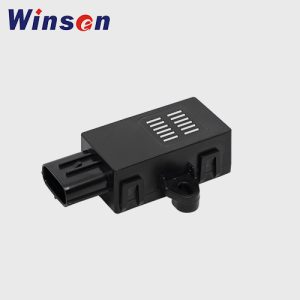
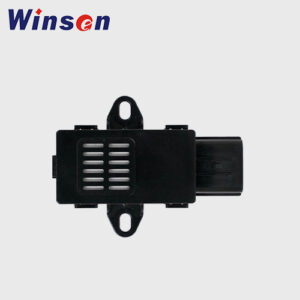
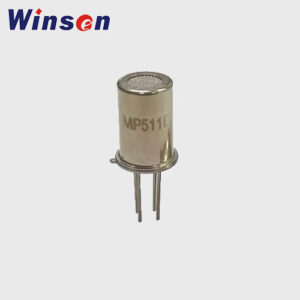
AC Refrigerant Sensor

AC Refrigerant Sensor (Leak Detector) — Split/VRF • Central AC • Heat Pump

เซ็นเซอร์ตรวจจับการรั่วไหลของไฟฟ้ากระแสสลับแบบอิเล็กทรอนิกส์ Winsen® ให้การตรวจสอบอย่างต่อเนื่องและคงที่ สารทำความเย็นเครื่องปรับอากาศ ทั่วทั้งอาคารพักอาศัยและอาคารพาณิชย์ เราสนับสนุน A1 (R134a, R410A, R404A), เอทูแอล (R32, R454B, R1234yf/ze) และ A3 (R290, R600a) ก๊าซ เลือก คือ n สำหรับการเตือนล่วงหน้า ppm หรือ MOS/IR-LEL สำหรับอินเตอร์ล็อคนิรภัย %LEL—พร้อมสำหรับ BMS/PLC ผ่าน 4–20 มิลลิแอมป์- RS-485 Modbus, และ เอาท์พุทรีเลย์-

Pick by Refrigerant Class & Measurement

A1 (R410A / R134a) — NDIR PPM

  • ช่วงทั่วไป: 0–1,000 / 0–5,000 ppm
  • เอาท์พุต: 4–20 mA, RS-485 Modbus, รีเลย์ 1–2 ตัว
  • T90 ≤ 30 วินาที • ดริฟท์ต่ำ อายุการใช้งานยาวนาน

A2L (R32 / R454B / R1234yf/ze) — NDIR PPM / %LEL

  • การเตือนล่วงหน้า PPM และ/หรือ 0–100% LFL/LEL
  • 4–20 mA / RS-485 / รีเลย์
  • VRF/VRV rooms & hotel guestrooms

A3 (R290 / R600a) — %LEL ความปลอดภัย

  • ช่วง: 0–100% LEL (IR-LEL หรือ MOS)
  • Relays for ventilation & shutdown interlocks
  • IP options for plant/mechanical rooms

What is an AC Refrigerant Sensor?

An AC refrigerant sensor is a fixed, electronic detector installed near AC equipment to measure refrigerant concentration and automatically trigger สัญญาณเตือน และ ลูกโซ่ (ventilation, unit shutdown). It complements handheld sniffers used by technicians for pinpoint leak search.

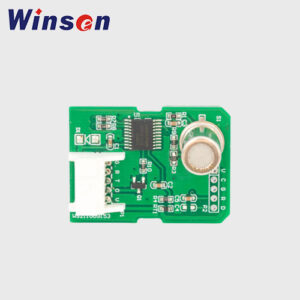
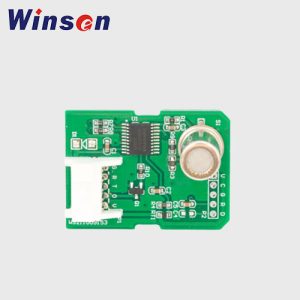
เซ็นเซอร์สารทำความเย็น NDIR

เซ็นเซอร์สารทำความเย็นเซมิคอนดักเตอร์

ตัวเลือกเทคโนโลยี

เทคโนโลยีดีที่สุดสำหรับพิสัยข้อดีข้อควรพิจารณา
NDIR (อินฟราเรด)A1 ppm; A2L ppm/%LELppm → %LELHigh selectivity & stability; not O₂-dependent; long lifeปกป้องเลนส์จากการควบแน่น/ฝุ่น (ตัวกรอง/สิ่งห่อหุ้ม)
MOS (เซมิคอนดักเตอร์)A2L/A3%LEL0–100% เลเวลตอบสนองรวดเร็ว; แข็งแกร่ง; คุ้มค่าPossible cross-sensitivities; periodic calibration advised
ตัวเร่งปฏิกิริยาบีดไฮโดรคาร์บอนทั่วไป (A3)0–100% เลเวลเทคโนโลยีผู้ใหญ่ต้องการO₂; อาจเป็นพิษจากซิลิโคน/ตะกั่ว

การใช้งานทั่วไป

Split/VRF indoor units & hotel rooms

ติดตั้งแบบต่ำ (~150–300 มม. เหนือพื้น) ใกล้กับยูนิตในร่มและจุดรวม สัญญาณเตือนล่วงหน้า → การล้างอากาศบริสุทธิ์ สัญญาณเตือนหลัก → การปิดพัดลม/ยูนิตภายใน

Central AC (AHU/MAU) & mechanical rooms

Place near coils, TXVs, service valves, and floor low spots/sumps; use IP-rated housings and BMS interlocks.

Line sets & evaporator/condenser sections

Monitor around brazed joints, manifolds; avoid strong supply streams that could bypass the sensor.

ปั๊มความร้อน

For A2L systems, use %LFL tiers (≈25% pre-alarm; ≈50% main) to trigger ventilation and safe shutdown.

ข้อมูลจำเพาะหลัก

พารามิเตอร์ความคุ้มค่า/ทางเลือก
การวัดNDIR ppm และ/หรือ %LFL (MOS/IR-LEL)
เอาท์พุต4–20 mA (สาย 2/3), RS-485 Modbus RTU, รีเลย์ 1–2 ตัว (N.O./N.C.)
เวลาตอบสนอง (T90)โดยทั่วไป ≤ 20–30 วินาที
จัดหา12–24 VDC (อื่นๆ ตามคำขอ)
สภาพการทำงาน−20…+50 °C; 15–95% RH ไม่มีการควบแน่น (ขึ้นอยู่กับรุ่น)
สิ่งห่อหุ้มผนัง แผง ท่อ; ตัวเรือนสูงถึง IP65
การปฏิบัติตามCE & RoHS; designed for BMS/PLC integration

Placement & Setpoints — Good Practice

  • ความสูงในการติดตั้ง: Most AC refrigerants are heavier than air ⇒ mount low; verify with site airflow.
  • ความคุ้มครอง: รัศมีประมาณ 5–10 ม. ต่อเซ็นเซอร์ในห้องเปิด เพิ่มหน่วยใกล้กับวาล์ว/ข้อต่อและช่องต่ำ
  • สัญญาณเตือน: A2L/A3: สัญญาณเตือนล่วงหน้า µ25% LFL; หลัก γ 50% LFL A1: แถบ ppm (เช่น 1,000–5,000 ppm) ต่อข้อมูลจำเพาะของโครงการ
  • ลูกโซ่: สัญญาณเตือนล่วงหน้า → การช่วยหายใจ; หน้าหลัก → การปิดอุปกรณ์ + เหตุการณ์บีคอน/แตร/BMS

สรุปเกณฑ์และปริมาณตามข้อกำหนดโครงการและรหัสท้องถิ่นของคุณ

ทำไมลูกค้าทั่วโลกถึงเลือกเรา?

บริษัท ปฏิบัติตามนโยบายคุณภาพของ“ งานฝีมือที่ดีนวัตกรรมทางวิทยาศาสตร์การแสวงหาความเป็นเลิศและการบริการที่มีมูลค่าเพิ่ม” โดยการกำหนดแผนการควบคุมกระบวนการผลิตและคำแนะนำในการทำงานได้สร้างระบบการจัดการกระบวนการที่ได้มาตรฐานรับผิดชอบและควบคุมได้ นอกจากนี้ บริษัท ยังได้พัฒนาระบบการจัดการการผลิต MES อย่างอิสระทำให้การจัดการที่ครอบคลุมและมองเห็นได้ทั่วทั้งเวิร์กโฟลว์ทั้งหมด

ประสบการณ์ 30 ปีขึ้นไป

R&D, manufacture and sales of sensors and sensing solutions.

การรับประกันคุณภาพการปรับปรุงอย่างต่อเนื่อง

การควบคุมการไหลของกระบวนการที่สมบูรณ์และเข้มงวดควบคู่ไปกับการปรับปรุงที่สำคัญ

ตลาดต่างประเทศ

ส่งมอบผลิตภัณฑ์ให้ความรู้สึกไปยังกว่า 100 ประเทศและภูมิภาค

ห่วงโซ่อุปทานที่มั่นคงการผลิตที่เชื่อถือได้

ส่วนประกอบหลักไม่อยู่ภายใต้ข้อ จำกัด อุปกรณ์ขั้นสูงสำหรับการผลิตและการทดสอบ

R&D STRENGTH TECHNOLOGY INNOVATION

200+ patents, 180+ R&D team members, self-built labs for continous innovation.

บริการแบบครบวงจร

การให้คำปรึกษาอย่างมืออาชีพการจัดส่งที่รวดเร็ว 24 ชั่วโมงการสนับสนุนหลังการขาย

Leading the Industry, Innovative & Controllable Technology

With robust R&D capabilities, we maintain sustained input in R&D and unwavering commitment to technological innovation. This not only ensures that we remain at the forefront of industry but also drives continuous innovation, leading the future trend of the sensing industry.

10% R&D Input

The average annual R&D input exceeds 10% of the annual revenue.

5+ R&D Layout

With Zhengzhou headquarters as the core, a nationwide R&D and innovation system is being established, encompassing cities of Shanghai, Wuhan, Shenzhen, and Taiyuan.

180+ R&D Team

There are over 180 R&D personnel, including more than 10 with doctoral degrees and over 50 with master's degrees, who have an average of more than 8 years of experience in sensor development.

ประเภทการทดลอง 20+

สภาพแวดล้อมที่เกี่ยวข้องกับก๊าซสภาพภูมิอากาศ EMC ประสิทธิภาพไฟฟ้าประสิทธิภาพเชิงกล ฯลฯ

ห้องปฏิบัติการขั้นสูง 10+

ห้องปฏิบัติการ CNAS, ห้องปฏิบัติการ MEMS, ห้องปฏิบัติการ UL, ห้องปฏิบัติการวัสดุนาโนคอมโพสิต ฯลฯ

400+ sets Leading R&D Equipment

การจัดเก็บคิวบ์, Die Bonder, เครื่องหิน, เครื่องเคลือบ, เครื่องวางตำแหน่ง SMT, สถานีโพรบอัตโนมัติ ฯลฯ

ขอคำปรึกษา

    ความสำเร็จ! ข้อความของคุณถูกส่งถึงเราแล้ว
    ข้อผิดพลาด! มีข้อผิดพลาดในการส่งข้อความของคุณ

    Wechat

    Whatsapp

    คำถามที่พบบ่อย — เซ็นเซอร์ก๊าซฟรีออน

    How many sensors are needed in a guestroom or office?

    Plan ~5–10 m radius coverage per sensor in open rooms. Add units near indoor units, valves, joints, and floor-level pockets where gas can accumulate. Irregular layouts typically need more sensors.

    Should I choose ppm or %LEL measurement?

    Use ppm (NDIR) for early warning and comfort/process monitoring; use %LEL (MOS or IR-LEL) to drive safety interlocks for A2L/A3 systems. Many projects deploy both.

    Where exactly should sensors be mounted?

    Most AC refrigerants are denser than air; mount low (≈150–300 mm AFF) near likely leak sources and pooling points. Avoid strong supply air. Duct/return versions can monitor airflow.

    How often do I need calibration and bump tests?

    Typical calibration is every 12–24 months with periodic bump tests (quarterly/biannual). Dusty/humid or aerosol-rich sites may need more frequent checks and filter maintenance.

    What causes false alarms or cross-sensitivity?

    Solvents/aerosols (silicone sprays, alcohol cleaners, paints) can affect semiconductor elements; heavy condensation/dust can obstruct optics. Use IP-rated housings, splash/dust guards, and good placement.

    Can Winsen customize for OEM/volume rollouts?

    Yes—ranges, firmware/Modbus mapping, connectors/harnesses, housings (IP), labels/branding, and packaging are customizable for volume deployments.

    ความรู้เซ็นเซอร์สารทำความเย็นมากขึ้น

    ไม่แน่ใจ เซ็นเซอร์ตัวไหน ถูกต้อง?

    รับคำปรึกษาเบื้องต้นฟรีตอนนี้

    ได้รับการเพิ่มเข้าไปในรถเข็นของคุณ
    การชำระเงิน