R-1234yf: kaj je, zakaj je zamenjal R-134a in kaj morajo servisne ekipe vedeti
Kaj je R-1234yf?
R-1234yf, še zapisano HFO-1234yf, je a hidrofluoroolefin (HFO) hladilno sredstvo, razvito predvsem za mobilna klimatska naprava (MVAC) kot nadomestilo za manjši vpliv na podnebje R-134a. HoneywellV tehničnem priročniku je njegova kemijska formula navedena kot CH2CFCF3 in njegovo številko CAS kot 754-12-1. Seznami EPA HFO-1234yf kot sprejemljivo hladilno sredstvo za uporabo MVAC v okviru SNAP, odvisno od pogojev uporabe.
V praktičnem smislu je R-1234yf postal pomemben, ker je avtomobilska industrija potrebovala hladilno sredstvo z veliko nižjim GWP kot R-134a, hkrati pa je še vedno zagotavljalo podobno delovanje klimatskih naprav v osebnih vozilih. Chemours opisuje kot nov standard v avtomobilskih klimatskih napravah, pravila EU pa so industrijo potisnila v to smer z zahtevo po hladilnih sredstvih z nizkim GWP v novih mobilnih klimatskih sistemih.
Zakaj je R-1234yf nadomestil R-134a?
Glavni razlog je vpliv podnebja.
MVAC EPA Seznami tabel hladilnih sredstev:
- R-134a GWP: 1430
- HFO-1234yf GWP: 4
- oba kot ne tanjša ozonu hladilna sredstva.
Direktiva EU o mobilnih klimatskih napravah je bila glavni povod. Evropska komisija navaja, da je cilj direktive uveljavitev uporabe plinov s GWP pod 150 v pokritih kategorijah vozil, medtem ko se tradicionalno uporablja hladilno sredstvo R-134a imel približno GWP 1300. Zaradi tega je R-1234yf postala ena najbolj praktičnih nadomestnih poti za svetovne proizvajalce avtomobilov.
Ključne lastnosti R-1234yf
R-1234yf ni samo "nizek GWP." Spreminja tudi način ravnanja s servisom, varnostjo in odkrivanjem puščanja.
Osnovni posnetek lastnosti R-1234yf
| Lastnina | R-1234yf |
|---|
| Družina hladilnih sredstev | HFO (hidrofluoroolefin) |
| Glavna aplikacija | Mobilna klimatska naprava / avtomobilska klimatska naprava |
| GWP | 4 na tabeli EPA MVAC |
| Možnost tanjšanja ozona | Brez/nič tanjšanja ozona v referenčni tabeli EPA MVAC |
| Varnostni razred | A2L |
| Spodnja meja vnetljivosti | 6,2 % glede na material Honeywell |
ASHRAE in materiali proizvajalca razvrščajo R-1234yf kot A2L, kar pomeni manjša toksičnost in blaga vnetljivost. Chemours ugotavlja, da je hladilna sredstva A2L težko vžgati, vendar se z njimi še vedno ne ravna kot s hladilnimi sredstvi A1. Prav to razlikovanje je razlog, zakaj sistemi R-1234yf zahtevajo posebne servisne postopke in opremo.
Je R-1234yf vnetljiv?
Da, vendar je pravilen tehnični opis rahlo vnetljivo.
Informacije EPA o hladilnem sredstvu, namenjene potrošnikom, navajajo to HFO-1234yf je rahlo vnetljiv, vendar ga je mogoče varno uporabljati. Honeywell in Chemours ga oba postavljata kot A2L hladilnega sredstva namesto zelo vnetljivega hladilnega sredstva tipa ogljikovodik. Dokumenti SDS za R-1234y vsebujejo tudi jezik o nevarnosti vnetljivosti, kot je npr H221 Vnetljiv plin in H280 Vsebuje plin pod pritiskom.
To je pomembno, ker je veliko starejših avtomobilskih tehnikov odraščalo s servisnimi praksami R-134a. Pri R-1234yf je samo hladilno sredstvo dovolj drugačno, da oprema, oprema, identifikatorji in servisni postopki ni mogoče preprosto domnevati, da so zamenljivi.
Kje se uporablja R-1234yf?
Osnovna aplikacija je avtomobilska klimatska naprava.
Chemours opisuje R-1234yf kot prednostno rešitev za hladilno sredstvo za številne svetovne avtomobilske proizvajalce, strani EPA MVAC pa svoje smernice R-1234yf osredotočajo na klimatske sisteme motornih vozil, opremo za servisiranje, sprejemljive pogoje uporabe in poteke dela tehnikov.
R-1234yf proti R-134a
| Tema | R-1234yf | R-134a |
|---|
| Glavna vloga | Sodobno hladilno sredstvo MVAC z nizkim GWP | Podedovano hladilno sredstvo MVAC |
| GWP | 4 | 1.430 |
| Varnostni razred | A2L | V praksi se na splošno obravnava kot staro nevnetljivo avtomobilsko hladilno sredstvo; EPA ga v smernicah MVAC primerja z rahlo vnetljivim HFO-1234yf. |
| Storitveni pristop | Namenska oprema, standardi in oprema | Starejši storitveni ekosistem |
| Tipičen namen iskanja | nova vozila, skladen servis, ravnanje A2L | servis starejših vozil, primerjave nadgradnje |
Najpomembnejša praktična razlika ni samo okoljska. Je, da je R-1234yf servis delo vezano na posebne zahteve EPA in SAE zasnovan za preprečevanje mešanja hladilnega sredstva in upravljanje lastnosti novejšega hladilnega sredstva.
Ali lahko sisteme R-134a naknadno opremite z R-1234yf?
R-1234yf je treba uporabljati v sistemih, ki so zasnovani in odobreni za to, oprema/komponente R-134a pa se ne obravnavajo kot prosto zamenljive. Linde navaja, da se sme R-1234yf uporabljati samo v mobilnih klimatskih napravah, ki so zasnovane za delovanje s tem plinom, in pravi, da bi moral ne uporabiti za naknadno opremljanje obstoječih sistemov R-134a. Smernice avstralske industrije prav tako pravijo, da sistema R-134a ne bi smeli pretvoriti v uporabo R-1234yf, ker prvotni sistem ni bil zasnovan tako, da bi izpolnjeval ustrezne mednarodne standarde za vnetljiva hladilna sredstva.
Ne predstavljajte R-1234yf kot priložnostne zamenjave. To je nadomestno hladilno sredstvo na ravni trga, vendar ne nekaj, kar bi tehniki morali zamenjati za starejše sisteme brez načrtovanja na ravni sistema, skladnosti in storitev.
R-1234yf servisne zahteve: kaj se spremeni za delavnice?
To je eden komercialno najpomembnejših delov teme.
EPA R-1234yf MVAC standardi servisne opreme stran navaja, da je EPA sprejela tri standarde SAE za opremo, ki obnavlja, reciklira in/ali ponovno polni R-1234yf v klimatskih napravah motornih vozil:
- SAE J2843
- SAE J2851
- SAE J3030
EPA tudi navaja, da vsako odobreno hladilno sredstvo MVAC zahteva a edinstven komplet armatur, in adapterji se ne smejo uporabljati za pretvorbo fitingov. To je namenjeno preprečevanju nenamernega mešanja hladilnih sredstev in zaščiti čistosti hladilnega sredstva v sistemu.
V realnih delavnicah to pomeni, da bi morali ponudniki storitev pričakovati:
- namensko ali skladno R/R/R oprema
- pravilno identifikatorji hladilnega sredstva
- pravilno orodja za odkrivanje puščanja
- in pravilne poteke dela/usposabljanja za sisteme R-1234yf.
Odkrivanje puščanja in zakaj je R-1234yf pomemben pri izbiri senzorja
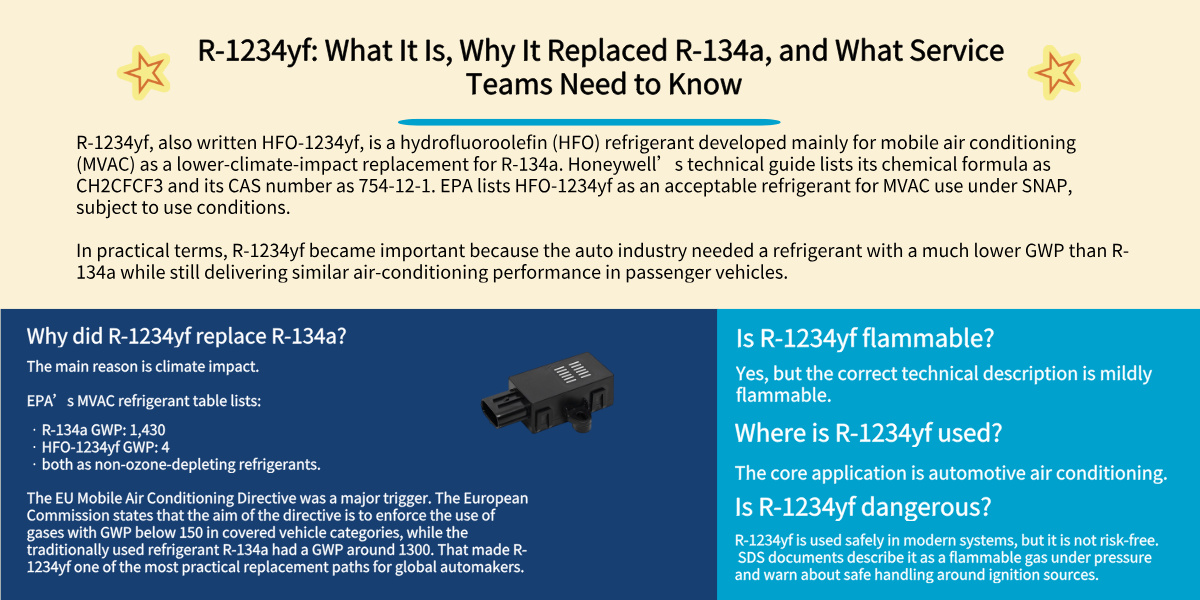
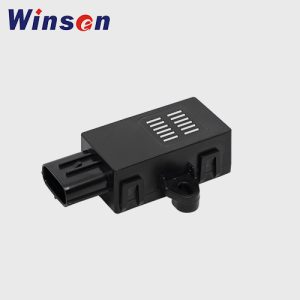
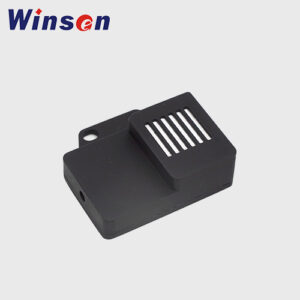
Ker je R-1234yf A2L, je odkrivanje puščanja pomembno za več kot le stroške hladilnega sredstva. Pomembno je tudi za pravilno servisiranje, identifikacijo hladilnega sredstva in varnostno upravljanje.
Chemoursov tehnični bilten za Opteon YF to ugotavlja SAE J2913 in/ali VDA detektorji puščanja so del servisnega ekosistema okrog R-1234yf. Okvir servisne opreme EPA in gradiva za usposabljanje v industriji prav tako kažejo, da sistemi R-1234yf zahtevajo bolj definirano verigo orodij kot stara avtomobilska hladilna sredstva.