Refrigerant Sensor Germany – Refrigerant Sensor Supply | China Sensor Factory

Refrigerant Sensor Germany – Reliable Supply from China Sensor Factory Winsen

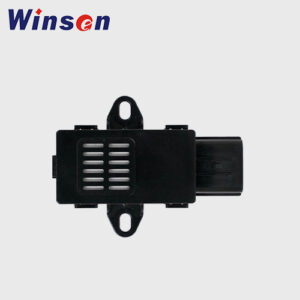
Germany is recognized as the industrial powerhouse of Europe, with world-class engineering, a strong automotive sector, advanced building technologies, and strict environmental policies. In such a market, the role of Sensores de refrigerante is increasingly critical. From automotive air conditioning e industrial refrigeration to commercial HVAC e data centers, Germany has a strong and growing demand for reliable refrigerant detection solutions.

At the same time, Germany is a leading advocate of the EU Green Deal and strict environmental regulations such as the Regulação F-Gas, which targets high-GWP refrigerants. This regulatory landscape is accelerating the adoption of advanced Sensores de refrigerante for leak detection, compliance, and system optimization.

Sensor de refrigerante - atacado de fábrica disponível em todo o mundo

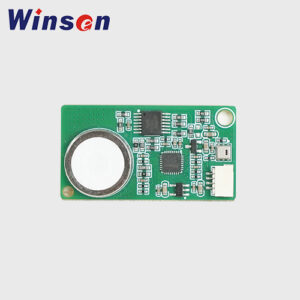
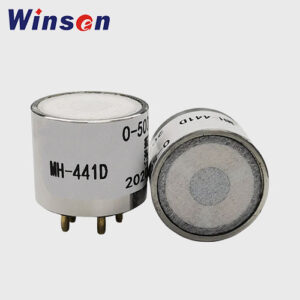
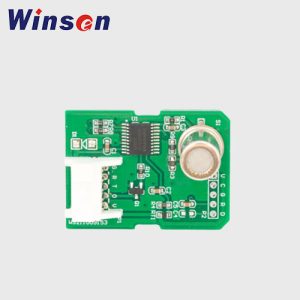
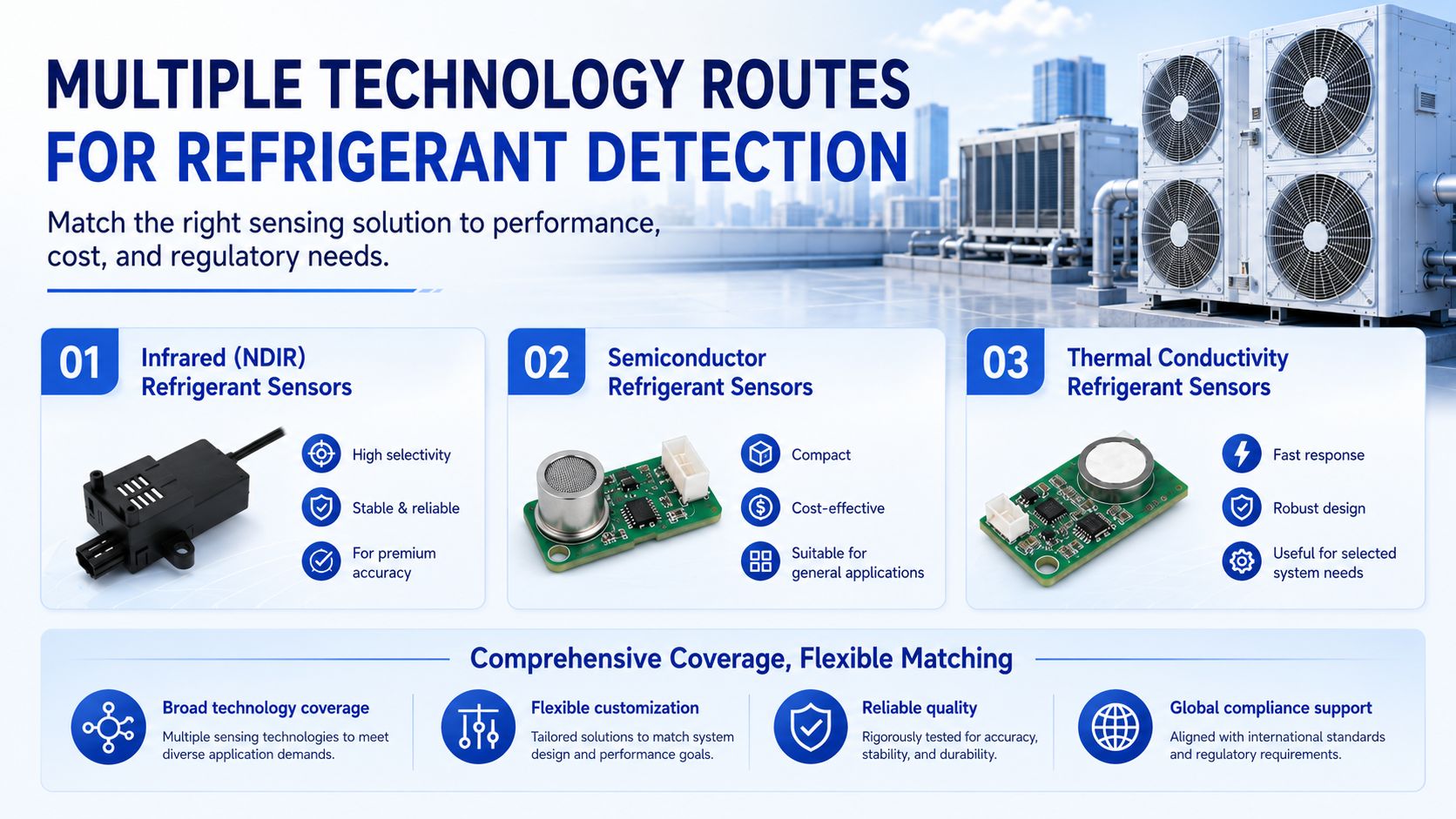
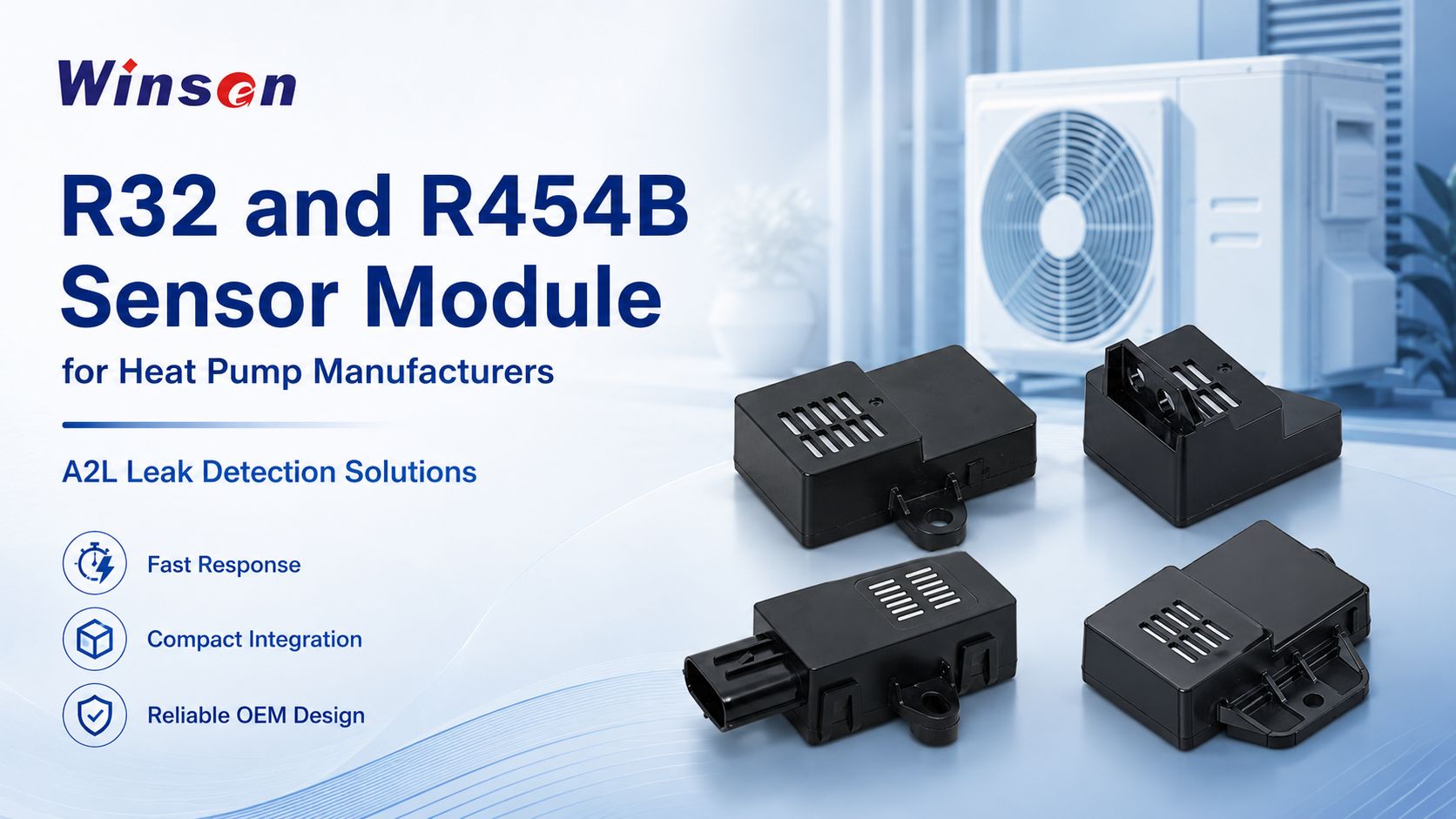
Ganhar, a Empresa listada por ações da China, is one of the most complete sensor solution providers worldwide. With more than 30 years of R&D and manufacturing expertise, Winsen supplies refrigerant sensors based on multiple technologies, including NDIR (infravermelho não dispersivo), MOS (semicondutor).

Longa vida útil operacional

Calibração estável

Alta sensibilidade

Resposta rápida e tempo de recuperação

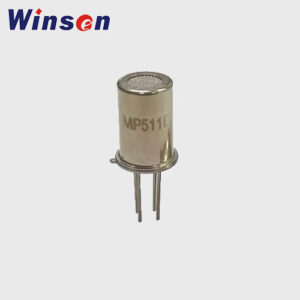
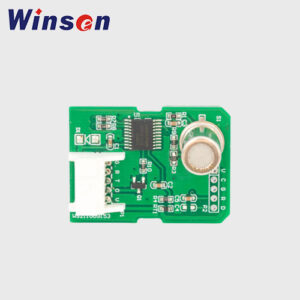
Sensor de refrigerante ndir

Sensor de refrigerante semicondutor

What is a Refrigerant Sensor?

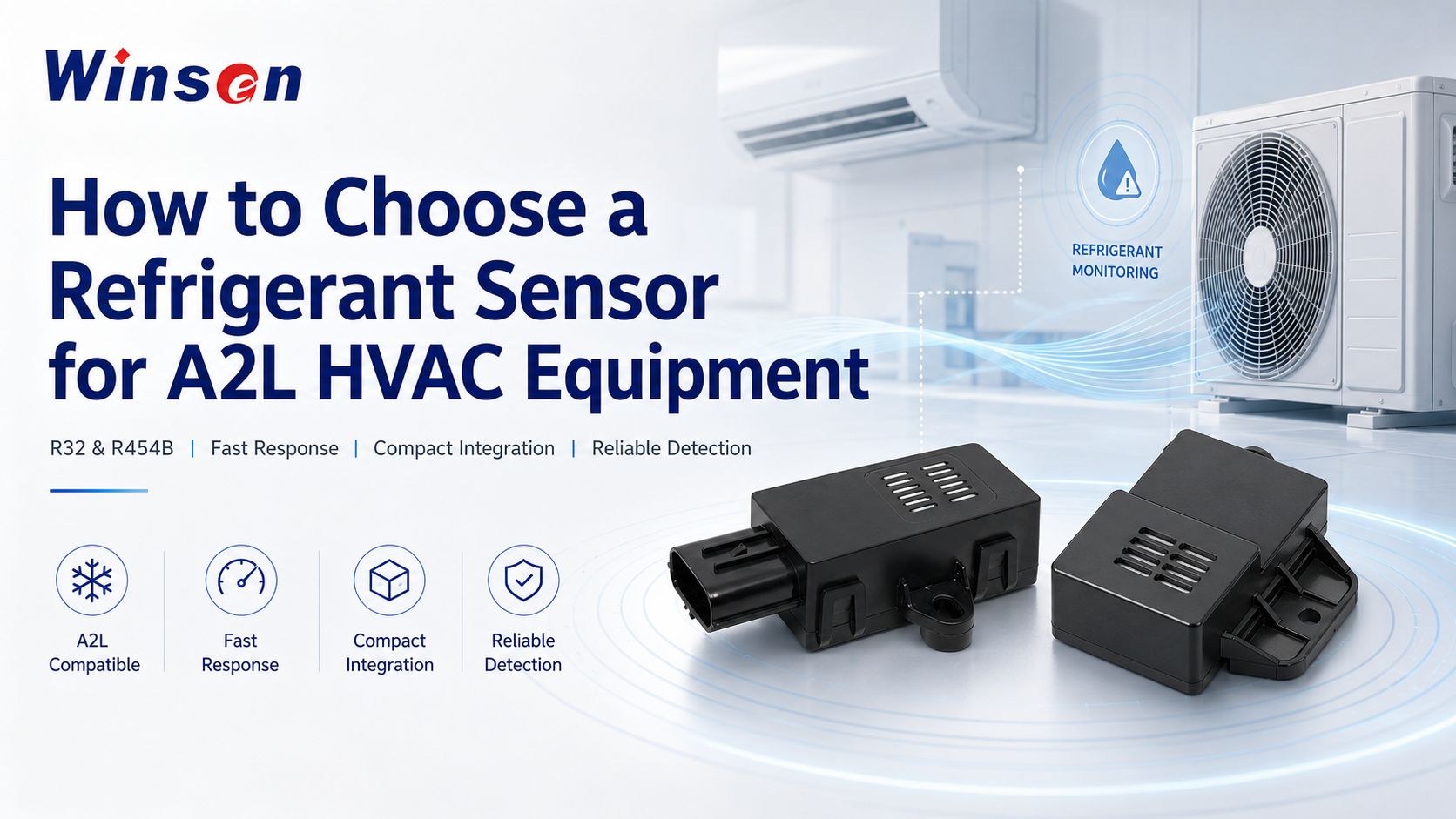
UM Sensor de refrigerante is a gas detection device used to monitor refrigerant leaks, concentrations, and system safety. It is widely applied in:

  • HVAC (Heating, Ventilation, Air Conditioning) sistemas

  • Refrigeration equipment (supermarkets, cold storage, logistics)

  • Automotive air conditioning

  • Data center cooling

  • Industrial processing systems

Key Functions

  • Detecção de vazamentos: Identifies small refrigerant leaks before they escalate.

  • Monitoramento de segurança: Prevents hazardous concentrations of flammable or toxic refrigerants.

  • Environmental Compliance: Helps companies adhere to EU F-Gas and GWP reduction targets.

  • System Optimization: Improves maintenance efficiency and energy savings.

Tipos de sensores de refrigerante

1. Sensores de NDIR (infravermelho não dispersivo)

  • Princípio: Detect refrigerant gases by measuring infrared absorption.

  • Vantagens: High accuracy, long lifespan, stable performance.

  • Aplicações: High-end HVAC, data centers, supermarkets, leak monitoring.

2. MOS (Metal-Oxide Semiconductor) Sensors

  • Princípio: Gas interaction changes the resistance of a semiconductor layer.

  • Vantagens: Cost-effective, compact, fast response.

  • Aplicações: Automotive AC, portable leak detectors, residential safety devices.

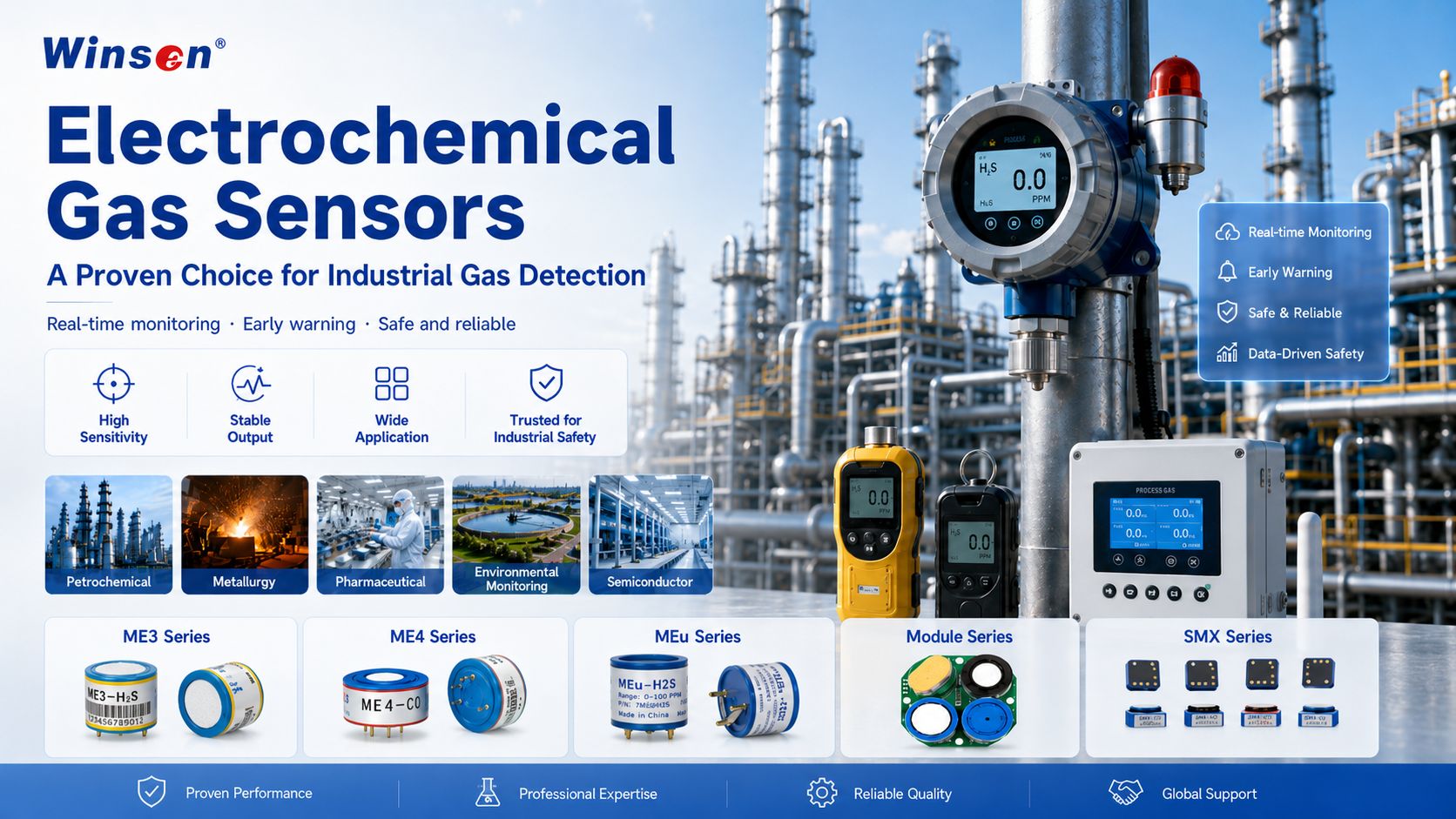
3. Sensores eletroquímicos

  • Princípio: Chemical reaction with the target gas generates an electrical signal.

  • Vantagens: High sensitivity, selective detection.

  • Aplicações: Industrial safety, toxic refrigerant monitoring.

4. Sensores fotoacústicos

  • Princípio: Detect gas concentration by measuring sound waves generated from IR absorption.

  • Vantagens: Excellent selectivity and sensitivity.

  • Aplicações: Precision leak detection, research facilities.

5. MEMS-Based Sensors

  • Princípio: Micro-electromechanical systems use miniaturized structures to sense gases.

  • Vantagens: Miniaturization, low power, IoT integration.

  • Aplicações: Smart homes, wearable devices, portable monitors.

Refrigerant Sensor Applications in Germany

Indústria automotiva

Germany is home to automotive giants like BMW, Volkswagen, Mercedes-Benz, and Audi. Vehicle air conditioning requires compact, reliable refrigerant sensors to monitor cabin air quality and refrigerant leaks, particularly as cars transition to low-GWP refrigerants like R-1234yf.

Supermarkets and Food Logistics

Refrigerated storage is vital for Germany’s food retail and export industry. Sensores de refrigerante ndir are widely used in supermarket cold displays and logistics chains to reduce refrigerant loss and comply with EU safety standards.

HVAC in Commercial Buildings

Germany’s office complexes, hospitals, and public buildings use advanced HVAC systems. Leak detection sensors improve safety, reduce maintenance costs, and ensure compliance with EU energy efficiency regulations.

Cidades inteligentes e edifícios verdes

Germany leads in smart building solutions. Integration of MEMS and IoT refrigerant sensors enhances predictive maintenance, energy efficiency, and safety monitoring.

Industrial and Chemical Plants

German industry relies on cooling systems in manufacturing, pharmaceuticals, and chemicals. Refrigerant sensors protect workers, assets, and the environment.

Data centers

With the rise of cloud computing, Germany is seeing rapid growth in data centers. Cooling systems rely on refrigerants, and Sensores ndir play a vital role in detecting leaks and preventing downtime.

Por que os clientes globais nos escolhem?

A empresa segue constantemente a política de qualidade de “artesanato fino, inovação científica, busca de excelência e serviço de valor agregado”. Ao formular planos de controle de processos de produção e instruções de trabalho, estabeleceu um sistema de gerenciamento de processos padronizado, responsável e regulamentado. Além disso, a empresa desenvolveu independentemente um sistema de gerenciamento de produção do MES, permitindo um gerenciamento abrangente e visual em todo o fluxo de trabalho.

Mais de 30 anos de experiência

R&D, manufacture and sales of sensors and sensing solutions.

Melhoria contínua de garantia de qualidade

Controle de fluxo completo e rígido do processo, juntamente com melhorias significativas.

MERCADO INTERNACIONAL

Entregue produtos detectados a mais de 100 países e regiões.

Cadeia de suprimentos estável Produção confiável

Os componentes principais não estão sujeitos a restrições, equipamentos avançados para fabricação e teste.

R&D STRENGTH TECHNOLOGY INNOVATION

200+ patents, 180+ R&D team members, self-built labs for continous innovation.

Serviço único

Consulta profissional, entrega rápida, suporte para pós-venda de 24 horas.

Leading the Industry, Innovative & Controllable Technology

With robust R&D capabilities, we maintain sustained input in R&D and unwavering commitment to technological innovation. This not only ensures that we remain at the forefront of industry but also drives continuous innovation, leading the future trend of the sensing industry.

10% R&D Input

The average annual R&D input exceeds 10% of the annual revenue.

5+ R&D Layout

With Zhengzhou headquarters as the core, a nationwide R&D and innovation system is being established, encompassing cities of Shanghai, Wuhan, Shenzhen, and Taiyuan.

180+ R&D Team

There are over 180 R&D personnel, including more than 10 with doctoral degrees and over 50 with master's degrees, who have an average of more than 8 years of experience in sensor development.

Mais de 20 tipos de experimentos

Ambiente climático relacionado a gás, EMC, desempenho elétrico, desempenho mecânico, etc.

Mais de 10 laboratórios avançados

Laboratório CNAS, Laboratório MEMS, Laboratório UL, Laboratório de Materiais Nanocompósitos, etc.

400+ sets Leading R&D Equipment

Armazenamento de cubos, Die Bonder, Máquina de Litografia, máquina de revestimento, máquina de colocação SMT, estação de sonda automática, etc.

Solicitar consulta

    Sucesso! Sua mensagem foi enviada para nós.
    Erro! Houve um erro de envio de sua mensagem.

    WeChat

    Whatsapp

    Environmental Regulations in Germany

    Germany enforces some of the world’s strictest refrigerant regulations through the Regulação da UE F-Gas, which aims to cut greenhouse gas emissions by phasing down high-GWP refrigerants.

    • Montreal Protocol & Kigali Amendment: Commitment to phase out ozone-depleting substances.

    • Regulação da UE F-Gas: Targets HFC reduction by two-thirds by 2030.

    • Regulamentos locais: Building codes require refrigerant leak detection in many applications.

    • Shift to Alternatives: Natural refrigerants (CO₂, ammonia, hydrocarbons) and low-GWP HFOs (R-1234yf, R-1234ze).

    Refrigerant sensors are critical to this transition, ensuring safety, compliance, and sustainability.

    Comparison of Refrigerant Sensor Technologies

    Tipo de sensorPrecisãoCustoVida útilAplicações
    É nAltoMedium-HighLongHVAC, supermarkets, data centers
    MosMédioBaixoMédioAutomotive AC, residential devices
    EletroquímicoAltoMédioMédioIndustrial safety, toxic gases
    FotoacústicoVery HighAltoLongResearch, precision detection
    MEMSMédioBaixoLongIoT, smart homes, wearables

    Perguntas frequentes

    Q1: Why are refrigerant sensors crucial in Germany?
    Because of strict environmental regulations, high refrigerant costs, and safety needs across industries.

    Q2: Which refrigerant sensor technology is most suitable for data centers?
    Sensores ndir are preferred due to their accuracy, stability, and long operational life.

    Q3: How do Chinese suppliers compare to European ones?
    Chinese suppliers like Winsen offer cost-effective, reliable, and customizable solutions, making them ideal partners for German companies.

    Q4: Why choose Winsen for refrigerant sensors?
    Winsen is a stock-listed Chinese manufacturer with 30+ years of experience, offering worldwide proven solutions.

    Mais conhecimento dos sensores refrigerante

    Não tenho certeza Qual sensor está certo?

    Obtenha uma consulta inicial gratuita agora

    foi adicionado ao seu carrinho.
    Confira