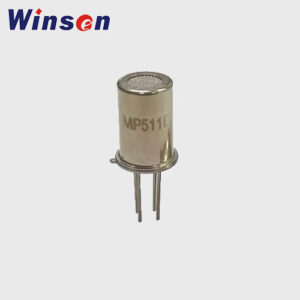
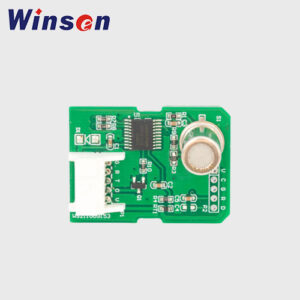
As the HVAC and refrigeration industries pivot toward environmentally friendly solutions, the adoption of refrigerants with lower global warming potential (GWP) is accelerating. One of the most significant developments in this transition is the use of A2L refrigerants — a class of low-GWP refrigerants that are mildly flammable. These refrigerants offer a balanced solution between performance, environmental impact, and safety.
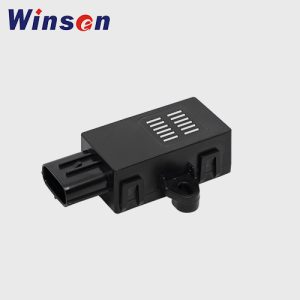
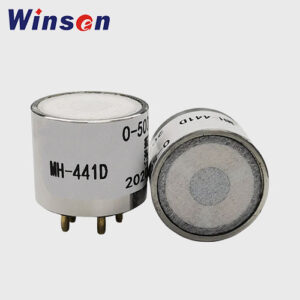
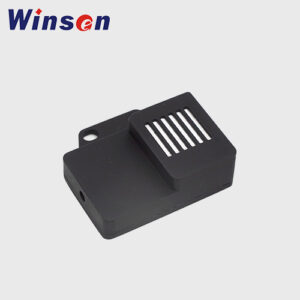
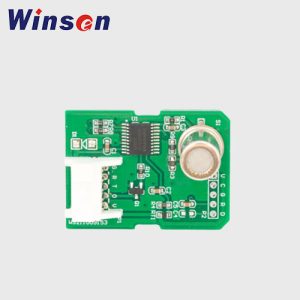
However, their flammability — even if classified as “mild” — introduces new challenges in system design and safety protocols. An essential component for managing these challenges is the A2L refrigerant gas sensor, which provides accurate leak detection and early warning capabilities. This article explores the technology, applications, benefits, and standards related to A2L gas sensors in depth.
2. Understanding A2L Refrigerants
2.1 ASHRAE Classification
ASHRAE Standard 34 classifies refrigerants by toxicity (A = lower toxicity, B = higher toxicity) and flammability:
Class 1: No flame propagation
Class 2L: Lower flammability (A2L = low toxicity, mildly flammable)
Class 2: Flammable
Class 3: Highly flammable
A2L refrigerants have a lower flammability limit (LFL) above 0.10 kg/m³ and a burning velocity < 10 cm/s.
US/North America standard covering electrical appliances with flammable refrigerants
9. Output Types and System Integration
Output Signal
Integration Purpose
4–20 mA / 0–10 V
Analog HVAC/BMS signal input
RS485 / Modbus
Digital system communication
Relay Outputs
Trigger alarms, fans, shutdown
IoT Protocols (LoRa, Zigbee, BLE)
Cloud-based safety systems
Modern sensors can integrate with:
Building automation systems
Fire alarm control panels
Remote monitoring dashboards
Smart home devices
10. Challenges and Solutions
Challenge
Solution
Cross-sensitivity
Use NDIR technology for specificity
Calibration drift
Choose sensors with auto-calibration
Harsh conditions (dust, humidity)
Use IP-rated sensor housings
Power outage
Include battery backup or UPS
Detection delay
Select sensors with <30s T90 response
11. Case Example: VRF System with R-32
A hotel chain in Europe replaced its R-410A VRF system with R-32 units and installed A2L gas sensors in each guest room. Key features:
NDIR sensors installed under fan coil units
Alarm set at 10% LFL
Shut-off valve activates at 25% LFL
Integrated into building management system (BMS)
Results:
No reported incidents
Quick detection and containment of minor leaks
Full compliance with IEC and EN standards
12. Future Trends in A2L Detection
12.1 Miniaturized Smart Sensors
Compact sensors for integration into equipment housing
Low power consumption for battery/IoT use
12.2 AI-Based Monitoring
Predictive leak detection using algorithms
Trend analysis to reduce false alarms
12.3 Cloud Connectivity
Remote diagnostics and real-time alarms
Mobile alerts for maintenance personnel
12.4 Sensor Fusion
Combined detection of refrigerants, temperature, humidity, and air quality in one unit
13. FAQ: A2L Refrigerant Sensors
Q1: Are A2L refrigerants safe?
Yes, when used in accordance with standards and with appropriate safety features like leak detection sensors.
Q2: How often should sensors be replaced or calibrated?
Typically calibrated annually. Replacement cycle is 5–10 years depending on the environment and sensor type.
Q3: Can one sensor detect multiple A2Ls?
NDIR sensors can be calibrated for a range of A2L gases or tuned for specific refrigerants like R-32 or R-1234yf.
Q4: Is a leak of an A2L refrigerant harmful to humans?
At high concentrations, A2Ls can displace oxygen, but are generally considered low-toxicity. Detection is still important for fire safety.
Q5: Do building codes require A2L detection?
Yes, many new building codes and international standards require detection if the refrigerant charge exceeds specific limits.
14. Conclusion
The global shift to low-GWP refrigerants is reshaping the HVAC and refrigeration landscape. A2L refrigerants offer a practical compromise between environmental responsibility and system efficiency. However, their mildly flammable nature necessitates robust safety solutions — chief among them being the A2L refrigerant gas sensor.
By deploying precision detection technologies like NDIR sensors, building managers, equipment manufacturers, and HVAC professionals can ensure code compliance, prevent accidents, and uphold public confidence in next-generation cooling systems. As the demand for A2Ls grows, the importance of reliable gas sensing technology will only continue to increase.