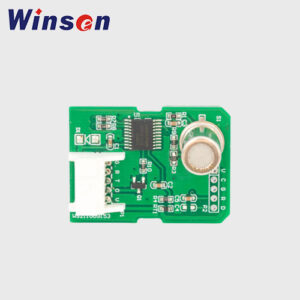
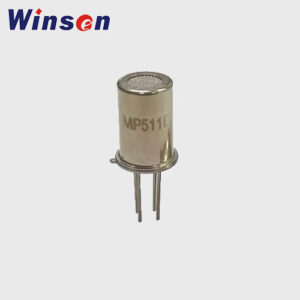
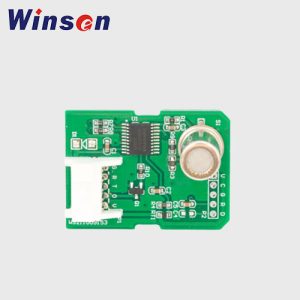
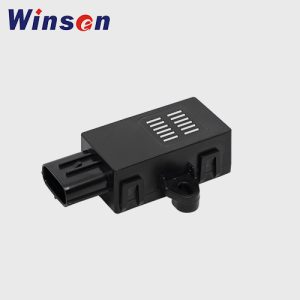
У міру зростання світового попиту на системи кондиціонування повітря, охолодження та клімат-контролю зростає потреба в безпеці, ефективності та піклуванні про навколишнє середовище. Одним з ключових компонентів, що забезпечує досягнення цих цілей, є датчик холодоагенту. Датчики холодоагенту спеціально розроблені для виявлення та моніторингу присутності газів холодоагенту в різних середовищах. Ці датчики відіграють життєво важливу роль у виявленні витоків, ефективності системи та безпеці персоналу, будь то холодильна камера, центр обробки даних чи комерційна система HVAC.
This article provides an in-depth look at refrigerant sensors, including their types, working principles, applications, compliance with safety standards, environmental relevance, and future technological trends.
2. What Is a Refrigerant Sensor?
Aдатчик холодоагентуis a gas detection device used to identify the presence of refrigerant gases in the environment. These gases, such asR-134A, R-32, Р-410А, R-407C, R-404A,R-744(CO₂)і R-1234YF, are used extensively in refrigeration and HVAC (Heating, Ventilation, and Air Conditioning) systems.
Refrigerant sensors provide:
Early warningof gas leaks
Preventionof health hazards
Reductionin environmental emissions
System efficiencyby minimizing refrigerant losses
3. Why Refrigerant Detection Matters
3.1 Безпека
Many refrigerants areasphyxiants, meaning they can displace oxygen and pose a suffocation risk in enclosed spaces. Some refrigerants are alsoгорючий(like R-32 or R-1234yf), while others may decompose into toxic byproducts under high temperatures.
These require refrigerant leak detection in many applications to ensure safety and environmental responsibility.
4. Working Principles of Refrigerant Sensors
Refrigerant sensors are based on various detection technologies. Each has its strengths depending on the application, target gas, sensitivity, and environmental conditions.
4.1 Semiconductor (Metal Oxide) Sensors
Принцип роботи: React to refrigerant gas by changing the conductivity of a metal oxide surface.
плюси: Cost-effective, compact
мінуси: Susceptible to cross-sensitivity, affected by humidity
Принцип роботи: Use a chemical reaction between the refrigerant gas and an electrode material.
плюси: Excellent for detecting low concentrations
мінуси: Shorter lifespan, specific to certain refrigerants
4.4 Фотоакустичні датчики
Принцип роботи: Measures sound waves generated when gas absorbs modulated infrared light.
плюси: High sensitivity, long life
мінуси: Relatively complex and costly
5. Types of Refrigerants Detected
Холодильник
Хімічна назва
Тип
Нотатки
R-134A
1,1,2-тетрафтоутан
HFC
Widely used, medium GWP
Р-410А
Mixture of R-32 & R-125
HFC
Common in split ACs
R-32
Difluoromethane
HFC
Mildly flammable, lower GWP
R-1234YF
2,3,3,3-Tetrafluoropropene
HFO
Very low GWP
R-404A
Змішати
HFC
Високий GWP, що припиняється
Р-407С
Змішати
HFC
Used in commercial AC
R-744
CO₂
Природний
Non-flammable, low GWP
Р-717
Аміак
Природний
Toxic, high efficiency
6. Applications of Refrigerant Sensors
6.1 Commercial Air Conditioning
У готелях, торгових центрах, офісних будівлях і аеропортах виявлення витоку холодоагенту має важливе значення для запобігання збою системи та захисту мешканців.
6.2 Cold Storage and Supermarkets
Холодильні вітрини, холодильні камери та морозильні камери потребують виявлення витоків, щоб підтримувати цілісність продукту та мінімізувати втрати холодоагенту.
6.3 Data Centers
Серверні кімнати значною мірою залежать від систем ОВК. Витік може призвести до підвищення температури та поломки обладнання.
6.4 Vehicle HVAC Systems
Електричні та гібридні транспортні засоби, що використовують R-1234yf або R-744, потребують моніторингу безпеки пасажирів.
6.5 Industrial Refrigeration
Великі системи, що використовують аміак або CO₂, потребують передових датчиків, щоб відповідати суворим вимогам безпеки.
6.6 Chiller and Boiler Rooms
Невеликі витоки в закритих механічних приміщеннях можуть досягати небезпечних концентрацій. Сповіщувачі часто інтегровані з вентиляцією та сигналізацією.
7. Key Features of High-Quality Refrigerant Sensors
Висока чутливість: Ability to detect ppm-level refrigerant concentrations
Швидка реакція та час відновлення
Long operational lifespan (typically 5–10 years)
Стабільна калібрування
Resistance to humidity and temperature fluctuations
Self-diagnostics and fault reporting
Digital communication protocols (Modbus, BACnet, etc.)
Compliance with standards like CE, UL, and RoHS
8. Installation Guidelines
To ensure accurate detection:
Install sensorslow to the groundfor heavier-than-air refrigerants (e.g., R-134a).
Place themnear compressors, valves, or joints—common leak points.
Ensureadequate airflow і avoid direct contactwith water or oil.
Calibrate regularly and followmanufacturer recommendations.
9. Integration with Building Management Systems (BMS)
Modern refrigerant sensors can be integrated into a BMS to:
Monitor and log gas levels continuously
Тригер ventilation systems
Sendalarms or SMS/email alerts
Activatesystem shutdown protocols
10. Environmental and Economic Benefits
Leak reduction: Saves thousands in refrigerant recharge costs
Energy efficiency: Prevents system underperformance due to low refrigerant
Sustainability: Reduces greenhouse gas emissions
Extended equipment life: Protects compressors and components
11. Future Trends in Refrigerant Detection
11.1 AI and Predictive Maintenance
Sensor data combined with AI can predict leaks before they become critical.
11.2 Miniaturized Smart Sensors
IoT-connected sensors with wireless connectivity and real-time cloud monitoring are on the rise.
11.3 Adaptation to New Refrigerants
As low-GWP refrigerants like R-454B or R-1234ze become mainstream, new sensors are being developed to support them.
12. Summary
Category
Key Takeaways
призначення
Detect and monitor refrigerant leaks for safety and efficiency
Refrigerant sensors are essential components in today’s refrigeration and air conditioning infrastructure. They enhance safety, ensure compliance, reduce energy consumption, and help mitigate environmental damage. As refrigerant types evolve and regulations tighten, the role of advanced sensing technologies will only grow.
Selecting the right sensor depends on the target refrigerant, installation environment, required sensitivity, and system integration needs. Investing in quality refrigerant detection not only protects lives and property but also promotes sustainable operations in a warming world.