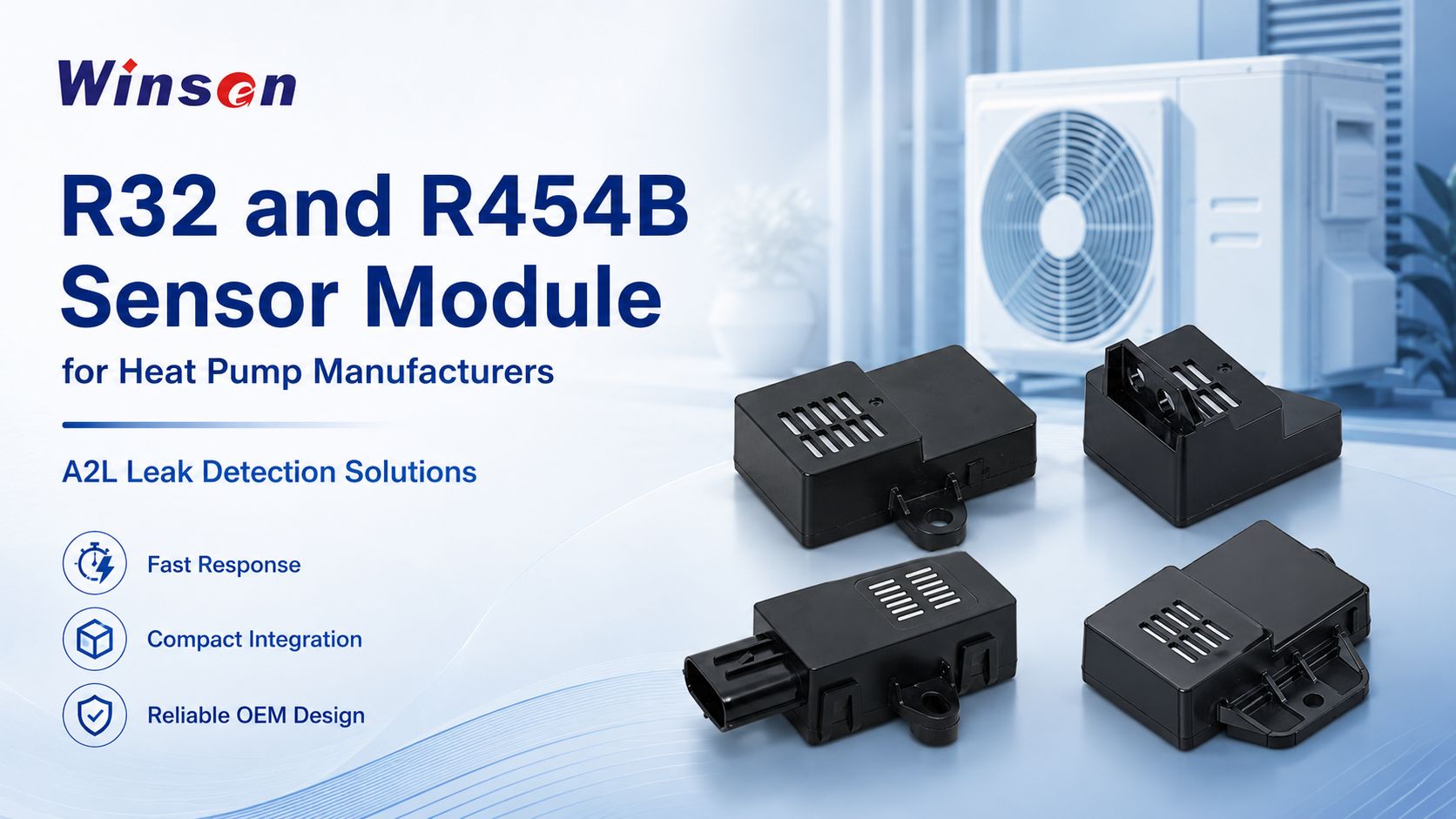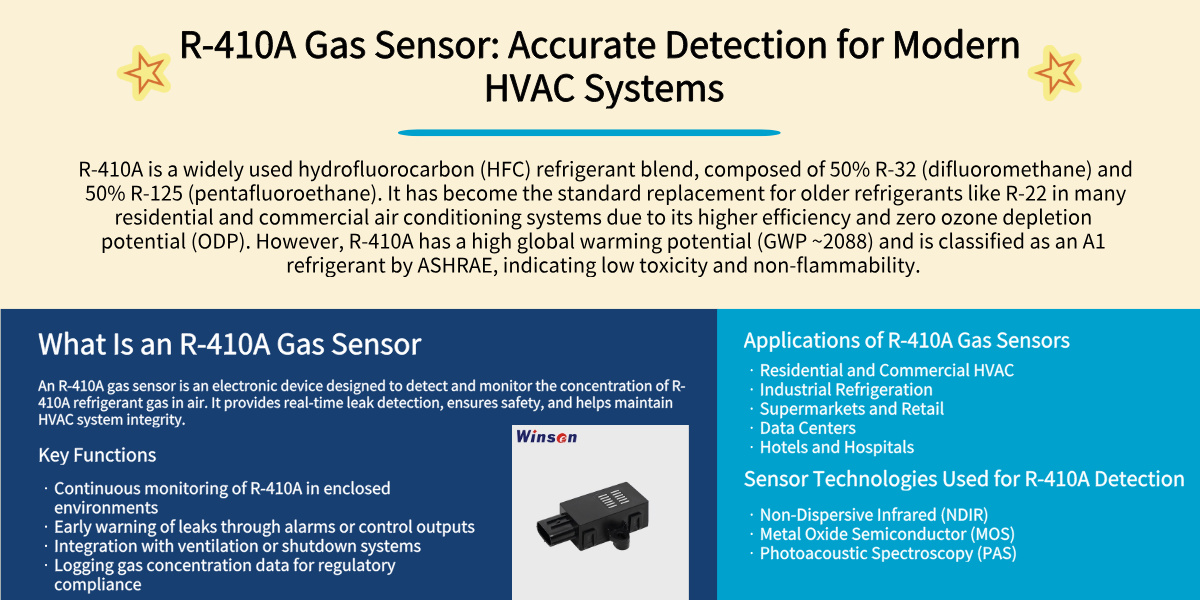
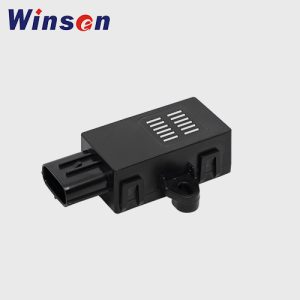
AC Gas Leak Sensor (Air Conditioner Refrigerant Leak Detector) — Split/VRF • Central AC • Heat Pump
Winsen® manufactures fixed AC gas leak sensors for residential and commercial air-conditioning systems. We cover A1 (R134a, R410A, R404A), A2L (R32, R454B, R1234yf/ze) and A3 (R290, R600a) gases. Choose Este n pentru avertizare timpurie ppm sau MOS/DIR for %LEL safety interlocks—ready for BMS/PLC via 4–20 Ma, RS-485 Modbus, și ieșiri releu.
- Acoperire A1 / A2L / A3
- NDIR ppm & MOS %LEL
- OEM/ODM • Comenzi în vrac
- Timp de livrare rapid


Model Guide — Pick by Refrigerant Class & Measurement
A1 (R410A / R134a) — NDIR PPM
- Domenii tipice: 0–1.000 / 0–5.000 ppm
- Ieșiri: 4–20 mA, RS-485 Modbus, 1–2 relee
- T90 ≤ 30 s • Derivare redusă, durată lungă de viață
A2L (R32 / R454B / R1234yf/ze) — NDIR PPM / %LEL
- PPM early warning and/or 0–100% LFL/LEL
- 4–20 mA / RS-485 / relee
- VRF/VRV rooms & hotel guestrooms
A3 (R290 / R600a) — %LEL Safety
- Interval: 0–100% LEL (NDIR-LEL sau MOS)
- Relays for ventilation & shutdown interlocks
- IP options for plant rooms and cold spaces
What is an AC Gas Leak Sensor?
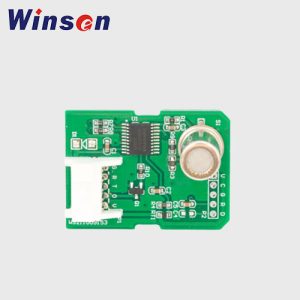
An AC gas leak sensor is a fixed, electronic detector that continuously measures refrigerant concentration around air-conditioning equipment and automatically drives alarms şi interlocks (ventilation, fan/indoor-unit shutdown). It complements handheld detectors used by technicians for pinpoint leak search.
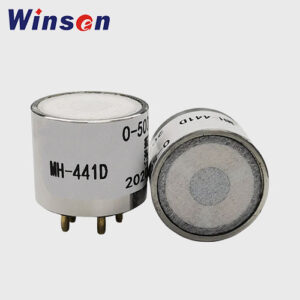
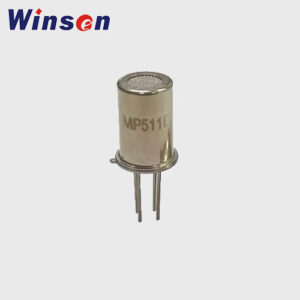
Senzor frigorific ndir
Senzor frigorific semiconductor
Opțiuni de tehnologie
| Tehnologie | Cel mai bun pentru | Gamă | Avantaje | Considerații |
|---|---|---|---|---|
| Ndir (infraroșu) | A1 ppm; A2L ppm/%LEL | ppm → %LEL | High selectivity & stability; not O₂-dependent; long life | Protejați de condens puternic/praf (filtre/incintă) |
| MOS (semiconductor) | A2L/A3%LEL | 0–100% LEL | Răspuns rapid; robust; rentabil | Posibile sensibilități încrucișate; se recomandă calibrarea periodică |
| Catalytic Bead | Hidrocarburi generale (A3) | 0–100% LEL | Tehnologie matură pentru substanțe inflamabile | Necesită O₂; sensibil la otrăvuri (siliconi/plumb) |
Aplicații tipice AC

Split/VRF indoor units & hotel rooms
Mount low (~150–300 mm above floor) near indoor units and pooling points. Pre-alarm → fresh-air purge; main alarm → fan/indoor-unit shutdown.

Central AC (AHU/MAU) & mechanical rooms
Place near coils, expansion valves, and floor low spots/sumps; use IP-rated enclosures and BMS interlocks.

Line sets, condenser & evaporator sections
Monitor around brazed joints, service valves, manifolds; avoid strong supply streams that could bypass the sensor.

Heat pumps & general HVAC equipment
For A2L systems, use %LFL tiers (≈25% pre-alarm; ≈50% main) to trigger ventilation and safe shutdown.
Specificații de bază
| Parametru | Valoare/Opțiune |
|---|---|
| Măsurare | NDIR ppm și/sau %LFL (MOS/NDIR-LEL) |
| Ieșiri | 4–20 mA (2/3 fire), RS-485 Modbus RTU, 1–2 relee (N.O./N.C.) |
| Timp de răspuns (T90) | ≤ 20–30 s tipic |
| Livra | 12–24 VDC (altele la cerere) |
| Condiții de operare | −20…+50 °C; 15–95% RH fără condensare (în funcție de model) |
Placement & Setpoints — Good Practice
- Mounting height: Most AC refrigerants are heavier than air ⇒ mount low; confirm with on-site airflow.
- Coverage: ~5–10 m rază per senzor în încăperi deschise; adăugați unități lângă supape/articulații și buzunare joase.
- Alarme: A2L/A3: pre-alarm ≈25% LFL; main ≈50% LFL. A1: ppm bands (e.g., 1,000–5,000 ppm) per design spec.
- Interlocks: Pre-alarm → ventilation; Main → equipment shutdown + beacons/horns/BMS events.
Finalizați pragurile și cantitățile în raport cu codurile locale și specificațiile proiectului dvs.
De ce clienții globali ne aleg?
Compania respectă în mod constant politica de calitate a „meșteșugului fin, inovației științifice, urmăririi excelenței și serviciului cu valoare adăugată”. Prin formularea planurilor de control al proceselor de producție și a instrucțiunilor de lucru, a stabilit un sistem standardizat, responsabil și reglementat de gestionare a proceselor. În plus, compania a dezvoltat în mod independent un sistem de gestionare a producției MES, permițând un management cuprinzător și vizual pe întregul flux de lucru.

30+ ani de experiență
R&D, manufacture and sales of sensors and sensing solutions.
Garanție de calitate îmbunătățirea continuă
Controlul complet și rigid al fluxului de proces, cuplat cu îmbunătățiri semnificative.


Piață internațională
Livrați produse de detectare în mai mult de 100 de țări și regiuni.
Lanț de aprovizionare stabilă producție fiabilă
Componentele de bază care nu sunt supuse constrângerilor, echipamentelor avansate pentru fabricare și testare.


R&D STRENGTH TECHNOLOGY INNOVATION
200+ patents, 180+ R&D team members, self-built labs for continous innovation.
Serviciu unic
Consultare profesională, livrare rapidă, 24 de ore după vânzare.

Leading the Industry, Innovative & Controllable Technology
With robust R&D capabilities, we maintain sustained input in R&D and unwavering commitment to technological innovation. This not only ensures that we remain at the forefront of industry but also drives continuous innovation, leading the future trend of the sensing industry.

10% R&D Input
The average annual R&D input exceeds 10% of the annual revenue.
5+ R&D Layout
With Zhengzhou headquarters as the core, a nationwide R&D and innovation system is being established, encompassing cities of Shanghai, Wuhan, Shenzhen, and Taiyuan.
180+ R&D Team
There are over 180 R&D personnel, including more than 10 with doctoral degrees and over 50 with master's degrees, who have an average of more than 8 years of experience in sensor development.
20+ tipuri de experimente
Mediu legat de gaz, climatic, EMC, performanță electrică, performanță mecanică etc.
10+ laboratoare avansate
Laboratorul CNAS, Laboratorul MEMS, Laboratorul UL, laboratorul de materiale nanocompozite etc.
400+ sets Leading R&D Equipment
Depozitare cub, Die Bonder, Mașină de litografie, Mașină de acoperire, Mașină de plasare SMT, stație de sondă automată etc.
Întrebări frecvente — Senzori de scurgeri de agent frigorific în infraroșu (NDIR).
How many sensors do I need per room?
Plan ~5–10 m radius coverage per sensor in open rooms. Add units near indoor units, valves, joints, and floor-level pockets where gas may accumulate. Irregular layouts typically need more sensors.
What alarm thresholds should I use?
For A2L/A3 gases: pre-alarm ≈25% LFL to start ventilation; main ≈50% LFL to trip equipment and trigger beacons/horns. For A1 gases, use ppm bands (e.g., 1,000–5,000 ppm) per project spec and risk assessment.
Where should the sensor be mounted?
Most AC refrigerants are heavier than air; mount low (≈150–300 mm above floor) near likely leak sources and pooling points. Avoid strong supply air that could bypass the sensor. Probe/duct versions can monitor return air.
How often should I calibrate and bump-test?
Typical calibration is every 12–24 months with periodic bump tests (quarterly/biannual). Dusty or humid sites, or areas with cleaning aerosols, may need more frequent checks and filter maintenance.
Which technology should I choose: NDIR or MOS?
Choose NDIR for ppm early warning and long-term stability; choose MOS or IR-LEL for %LEL safety interlocks on A2L/A3 systems. Many sites use both tiers for redundancy.
Can Winsen customize for OEM/volume programs?
Yes—ranges, firmware, Modbus mapping, connectors/harnesses, housings (IP rating), labels/branding, and packaging can be tailored for volume deployments.