Reliable Refrigerant Sensor Supplier | China Sensor Factory
The global demand for refrigerant sensors has been increasing rapidly due to heightened environmental regulations, the need for energy efficiency, and the widespread use of refrigeration and air-conditioning systems. In Algeria, a country with a hot climate, urban growth, and expanding industrial sectors, refrigerant sensors play a vital role in ensuring safety, compliance, and operational efficiency.
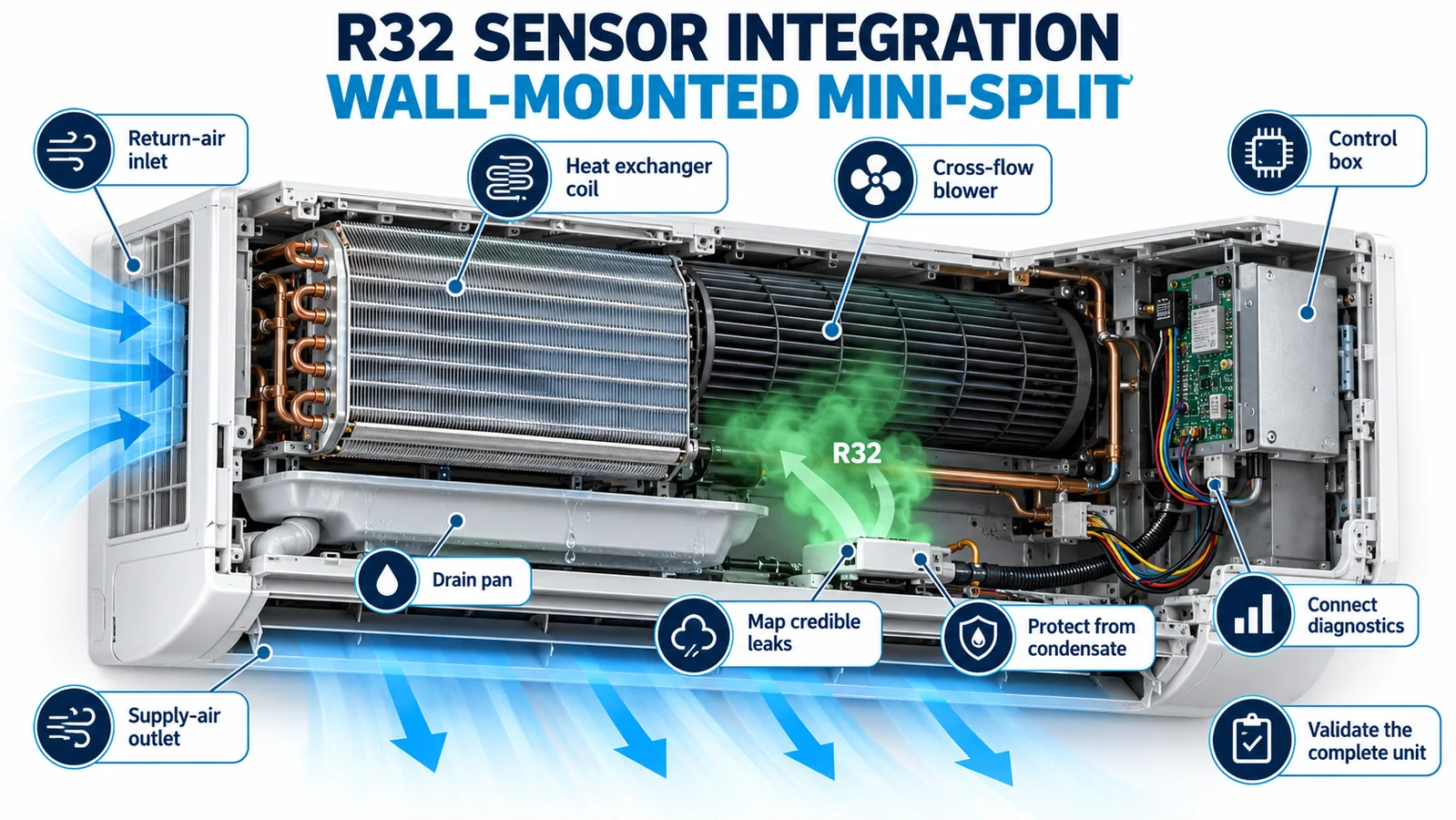
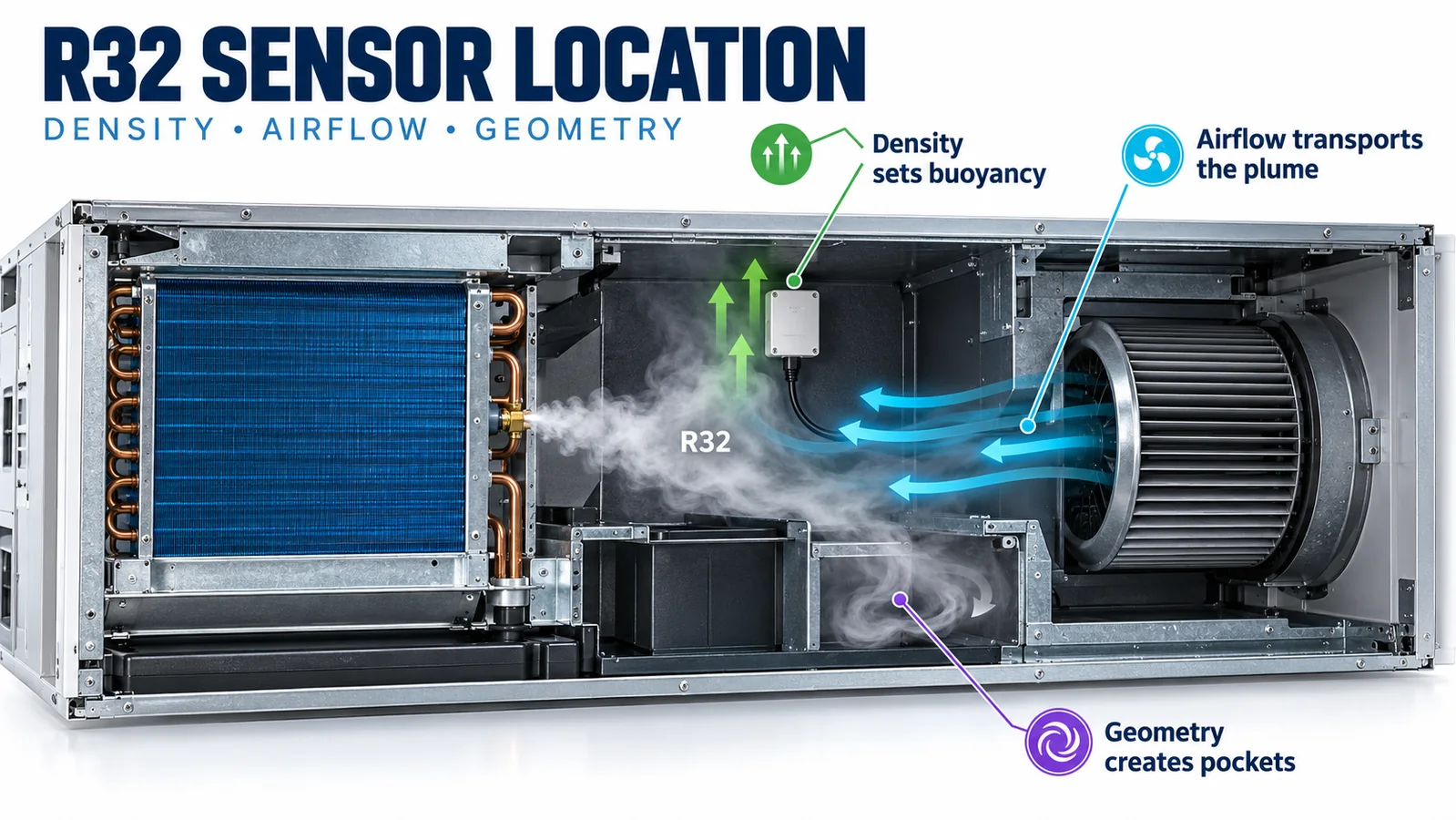
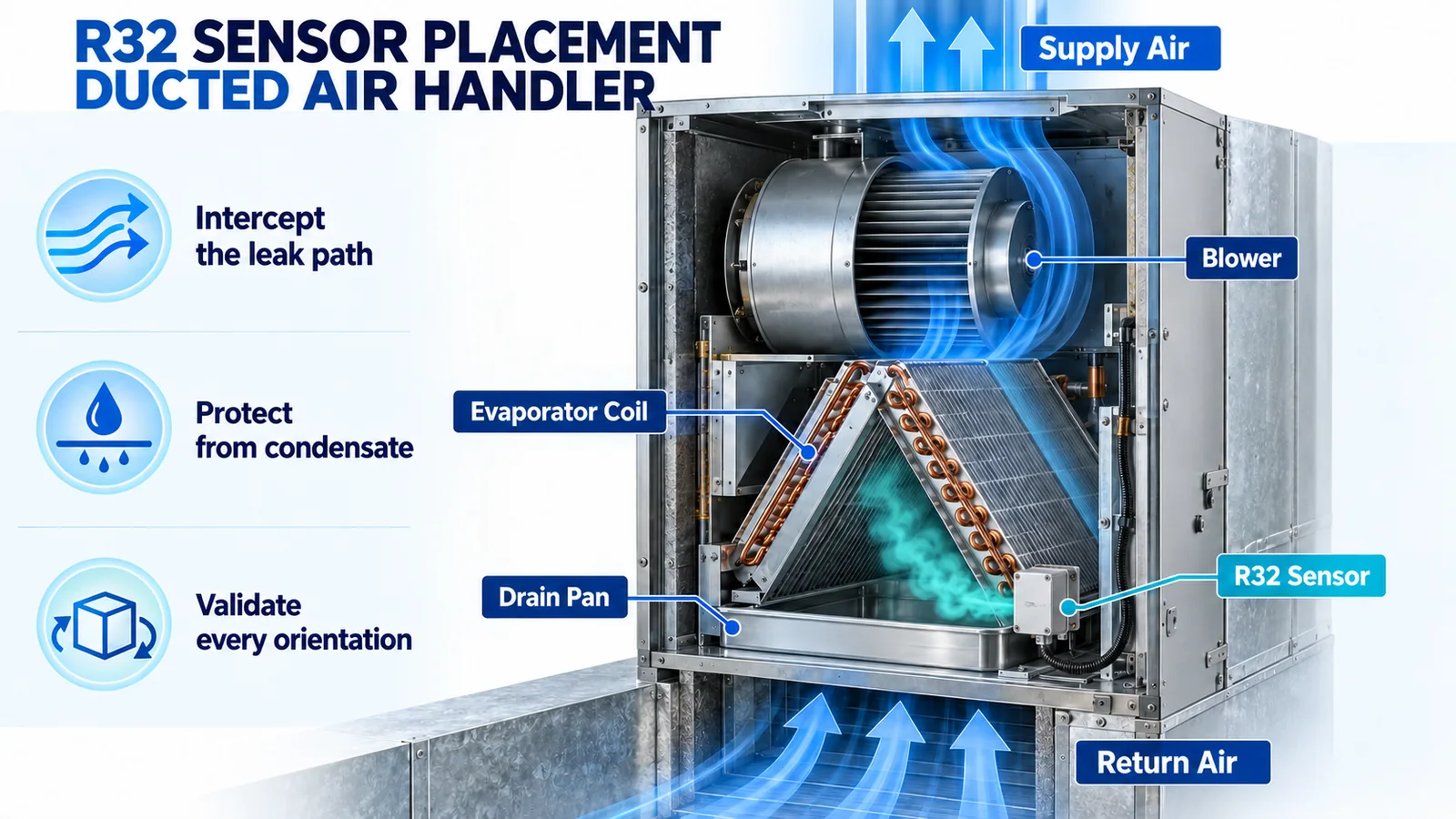
As industries modernize and international environmental standards influence local policies, Algeria is becoming a key market for advanced sensing solutions. Winsen, as a China-based leading sensor factory, offers one of the most comprehensive refrigerant sensor portfolios globally. With decades of expertise, Winsen supplies NDIR, MOS, catalytic, and electrochemical gas sensing technologies, ensuring compatibility with various refrigerants such as R134a, R410A, R32, R1234yf, and natural refrigerants like CO₂ (R744) and hydrocarbons.
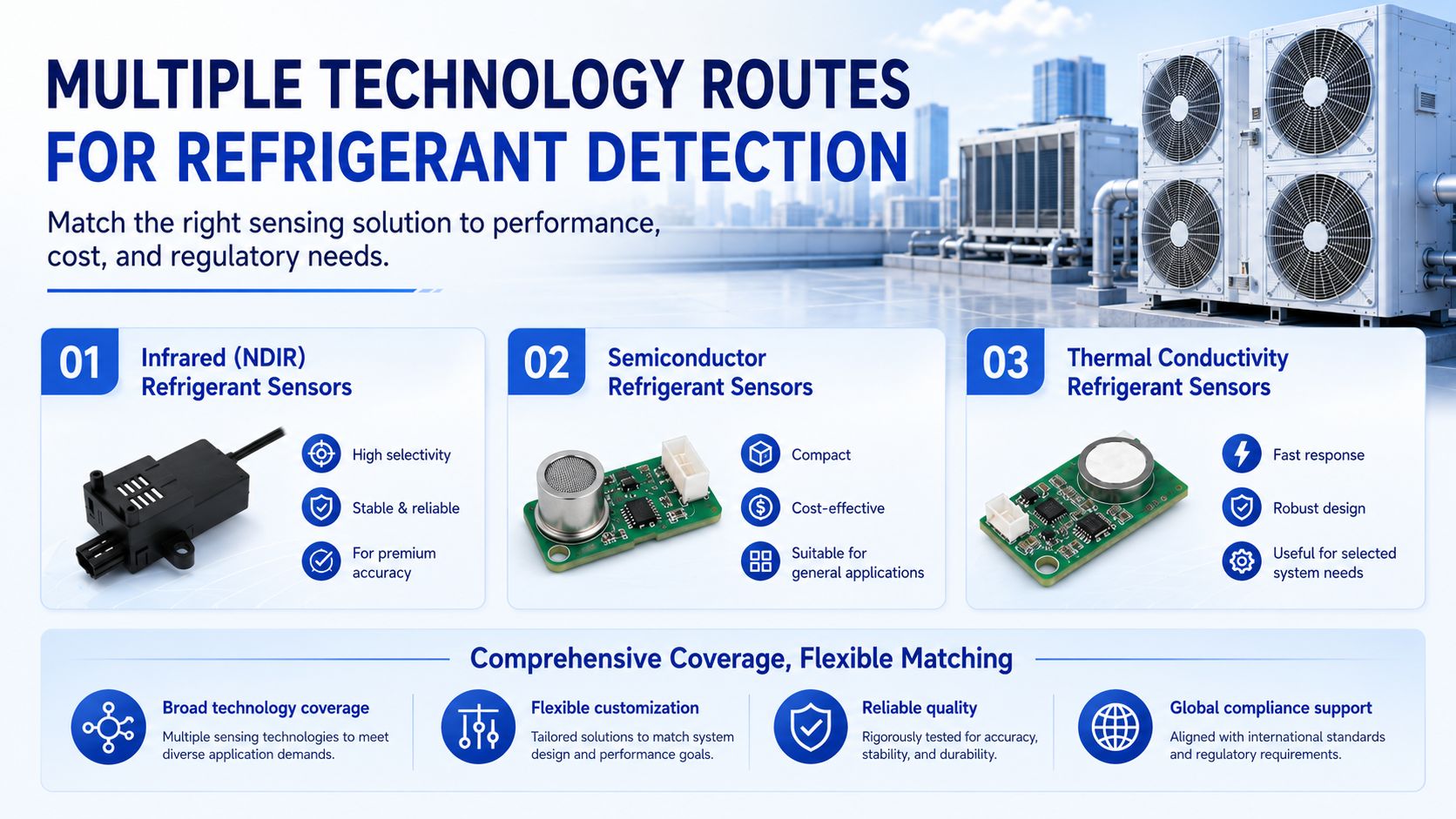
Types of Refrigerant Sensors
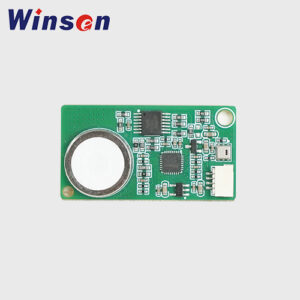
- NDIR (Non-Dispersive Infrared) Sensors
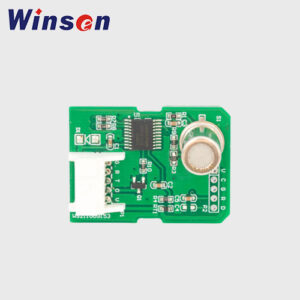
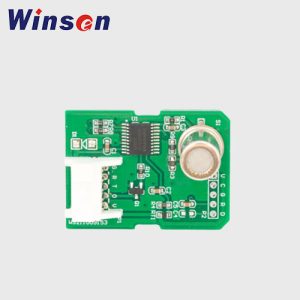
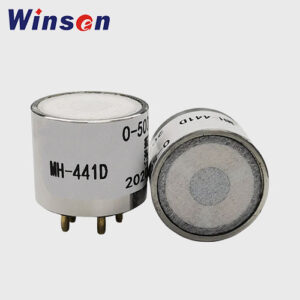
- Semiconductor Sensors (MOS)


Refrigerant Sensor - Factory Wholesale Available Worldwide
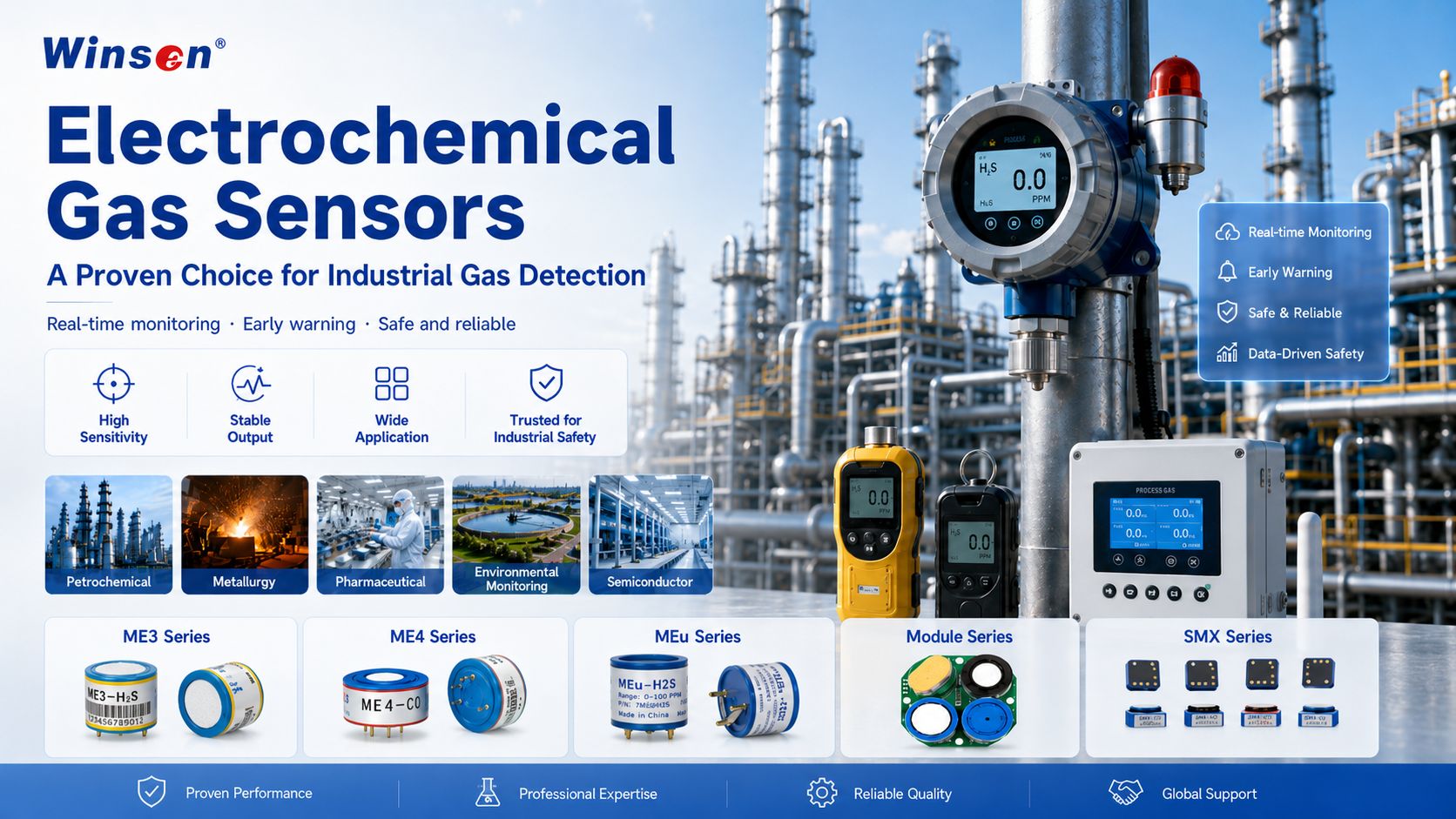
Zhengzhou Winsen Electronics Technology Co., Ltd., a Chinese stock market listed company since 2009, is a professional manufacturer with 30+ years of experience in gas sensing technology. We provide the most complete sensing solutions with 7 categories and 200+ series, covering gas sensors, pressure, flow, humidity sensors, and related instruments. Our products are widely applied in household, automotive, medical, industrial safety, fire prevention, smart city, and environmental monitoring, trusted by global partners for reliability, innovation, and quality.
Long operational lifespan
Stable calibration
High sensitivity
Fast response and recovery time
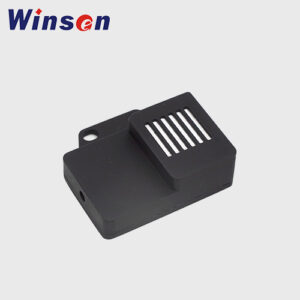
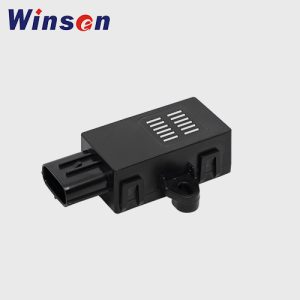
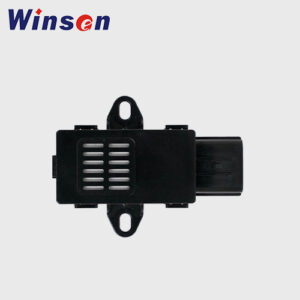
NDIR Refrigerant Sensor
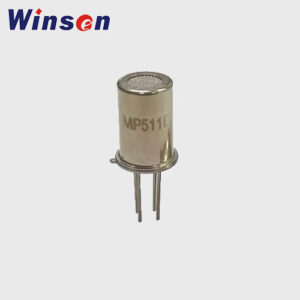
Semiconductor Refrigerant Sensor
Technical Comparison of Semiconductor (Metal Oxide) vs. Infrared (NDIR) Refrigerant Sensors
| Feature | Semiconductor (Metal Oxide) Sensors | Infrared (NDIR) Sensors |
|---|---|---|
| Working Principle | React to refrigerant gas by altering the conductivity of a metal oxide surface. | Use Non-Dispersive Infrared (NDIR) absorption to detect specific gas wavelengths. |
| Pros | – Cost-effective – Compact design – Quick response to basic gas detection | – High accuracy – Long operational life – Specific to target refrigerants (low cross-sensitivity) |
| Cons | – Susceptible to cross-sensitivity (false readings from other gases) – Affected by humidity | – Higher initial cost – Slower response time – Larger physical footprint |
| Ideal For | Budget-sensitive applications, simple leakage alarms, or non-critical environments | Precision-driven systems, industrial monitoring, or applications requiring high reliability |
Key Applications of Refrigerant Sensors in Algeria
HVAC and Air Conditioning
Used in residential buildings, hotels, offices, and shopping malls.
Ensures compliance with environmental standards.
Detects refrigerant leaks to reduce energy wastage and improve safety.
Automotive Industry
Growing market for car air conditioning systems.
Refrigerant sensors ensure safe handling of R1234yf and other low-GWP refrigerants.
Essential for electric vehicle (EV) cooling systems.
Cold Chain and Food Industry
Algeria imports and distributes large amounts of perishable goods.
Refrigerant sensors are critical in cold storage warehouses, supermarkets, and transportation vehicles.
Helps reduce food spoilage and ensures compliance with health standards.
Medical and Healthcare
Medical refrigeration systems store vaccines, medicines, and blood plasma.
Refrigerant sensors guarantee safe, stable, and regulated environments.
Oil, Gas, and Petrochemicals
Cooling is necessary in refineries, LNG plants, and chemical facilities.
Sensors ensure leak monitoring in industrial-scale refrigeration systems.
Why Global Clients Choose Us?
The company consistently adheres to the quality policy of “Fine Craftsmanship, Scientific Innovation, Pursuit of Excellence, and Value-Added Service.” By formulating production process control plans and work instructions, it has established a standardized, accountable, and regulated process management system. Additionally, the company has independently developed an MES production management system, enabling comprehensive and visual management across the entire workflow.

30+ YEARS OF EXPERIENCE
R&D, manufacture and sales of sensors and sensing solutions.
QUALITY GUARANTEE CONTINOUS IMPROVEMENT
Complete and rigid process flow control, coupled with significant improvements.


INTERNATIONAL MARKET
Deliver sensing products to more than 100 countries and regions.
STABLE SUPPLY CHAIN RELIABLE PRODUCTION
Core components not subject to constraints, advanced equipments for manufaturing and test.


R&D STRENGTH TECHNOLOGY INNOVATION
200+ patents, 180+ R&D team members, self-built labs for continous innovation.
ONE-STOP SERVICE
Professional consultation, fast delivery, 24 hours after-sales support.

Leading the Industry, Innovative & Controllable Technology
With robust R&D capabilities, we maintain sustained input in R&D and unwavering commitment to technological innovation. This not only ensures that we remain at the forefront of industry but also drives continuous innovation, leading the future trend of the sensing industry.
10% R&D Input
The average annual R&D input exceeds 10% of the annual revenue.
5+ R&D Layout
With Zhengzhou headquarters as the core, a nationwide R&D and innovation system is being established, encompassing cities of Shanghai, Wuhan, Shenzhen, and Taiyuan.
180+ R&D Team
There are over 180 R&D personnel, including more than 10 with doctoral degrees and over 50 with master's degrees, who have an average of more than 8 years of experience in sensor development.
20+ Experiment Types
Gas-related, Climatic Environment, EMC, Electrical Performance, Mechanical Performance, etc.
10+ Advanced Laboratories
CNAS Laboratory, MEMS Laboratory, UL Laboratory, Nanocomposite Materials Laboratory, etc.
400+ sets Leading R&D Equipment
Cube Storage, Die Bonder, Lithography Machine, Coating Machine, SMT Placement Machine, Automatic Probe Station, etc.
Why Algeria Needs Refrigerant Sensors
Climatic and Environmental Factors
Algeria has long, hot summers and high urban cooling demands.
Refrigeration and air conditioning systems are expanding in residential, commercial, and industrial sectors.
Environmental policies are increasingly influenced by international agreements such as the Kigali Amendment to the Montreal Protocol, which drives the phasing out of high-GWP refrigerants.
Industrial Growth and Safety Concerns
Algeria’s oil & gas, manufacturing, and food processing industries rely heavily on cooling and HVAC systems.
Refrigerant leaks can lead to safety hazards (flammability, toxicity), economic losses, and regulatory fines.
Reliable sensor solutions are essential to detect leaks early, improve maintenance, and extend system lifespans.
Key Sensor Product Lines
| Sensor Type | Target Refrigerants | Applications | Features |
|---|---|---|---|
| NDIR Refrigerant | R134a, R410A, R32, CO₂, R1234yf | HVAC, automotive, industrial cooling | High accuracy, stable output, long lifespan |
| MOS Refrigerant | R134a, R22, hydrocarbon blends | Household air conditioning, leak detection | Cost-effective, sensitive, compact |
| Electrochemical | Ammonia, CO₂ | Industrial refrigeration, cold storage | High precision, selective response |
| Catalytic Sensors | R290, R600a, hydrocarbons | Refrigerators, freezers, industrial plants | Real-time safety monitoring |
Algerian Refrigerant Sensor Market Trends
1. Transition to Low-GWP Refrigerants
Shift from R22 and R134a toward R32, R1234yf, and CO₂.
Requires new generation sensor technology for proper monitoring.
2. Increasing Regulatory Compliance
Algeria is aligning with international climate agreements.
Refrigerant leak detection is becoming a legal requirement for many industries.
3. Growing Automotive Sector
Rising demand for automobile air conditioning sensors.
EV adoption will require advanced cooling systems.
4. Expansion of Cold Chain Logistics
Algeria’s food and pharma industries are modernizing.
Refrigerant leak detection in warehousing and logistics is crucial.
Challenges and Solutions
Challenge 1: Harsh Climate Conditions
Sensors must withstand high ambient temperatures.
Solution: Winsen designs temperature-compensated sensors.
Challenge 2: Cost Sensitivity
Algerian companies seek affordable yet reliable solutions.
Solution: Winsen offers cost-effective MOS sensors along with premium NDIR models.
Challenge 3: Technical Training
Need for local workforce training in sensor installation and calibration.
Solution: Winsen provides technical support, documentation, and training.
Refrigerant Sensors in Algeria
Q1: Which refrigerants are most used in Algeria?
Traditionally R22 and R134a, but growing adoption of R32, R1234yf, and CO₂.
Q2: What industries in Algeria use refrigerant sensors?
HVAC, automotive, food cold chain, healthcare, oil & gas.
Q3: Why choose Winsen?
Winsen offers complete sensor solutions, reliability, and cost-efficiency.