
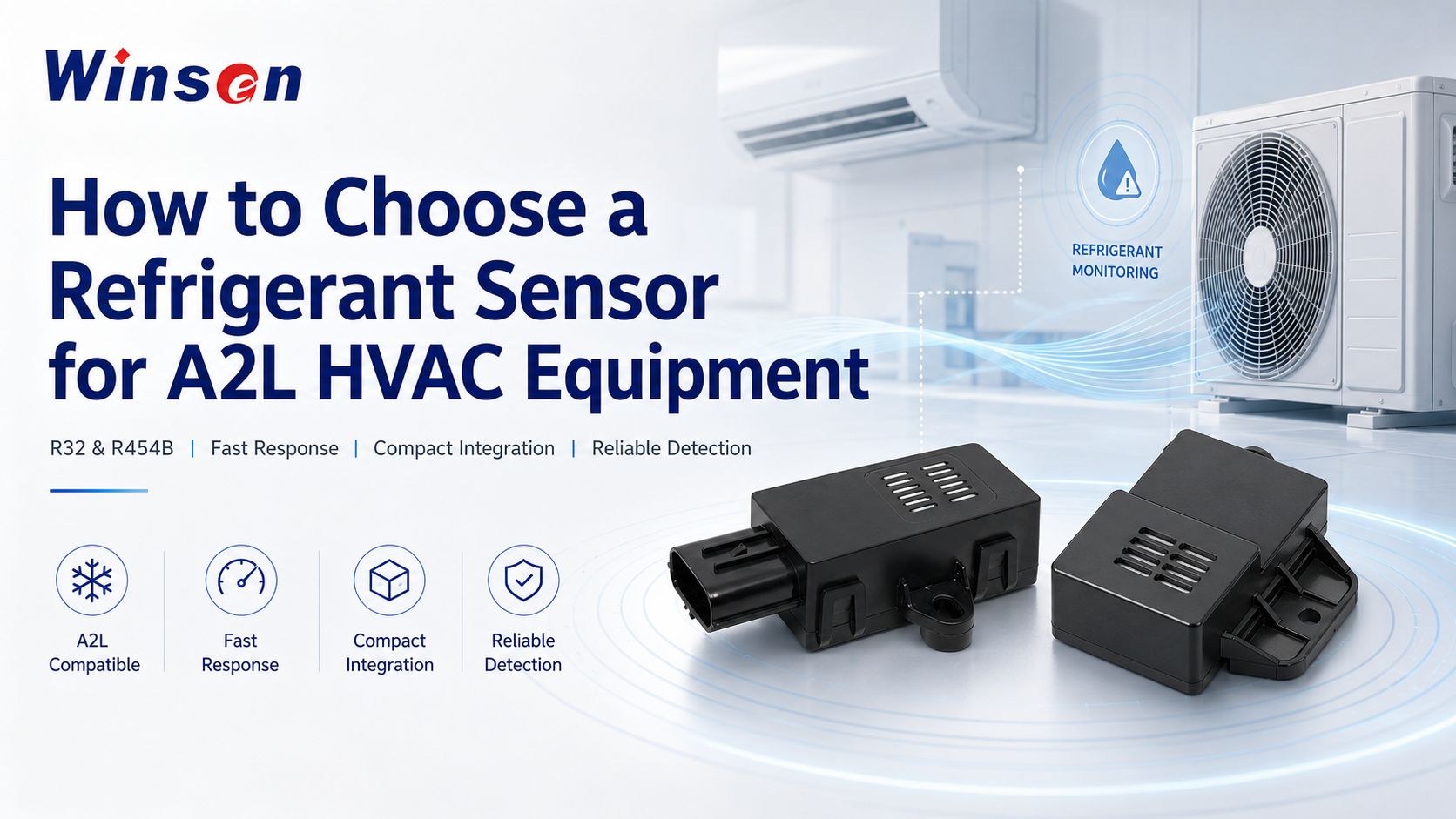
冷媒センサーの選択 A2L 空調設備 ガス検知の決定だけではありません。これは、冷媒の種類、警報しきい値、コントローラーのロジック、設置位置、長期信頼性に関連したシステムの決定です。下 UL 60335-2-40、冷媒検出システムの要件は、堅牢性、信頼性、および寿命ドリフト評価を改善するために洗練されており、システムの応答は、次の温度での冷媒濃度に関連付けられています。 可燃性下限 (LFL) の 25%。
Winsen では、以下から始めることをお勧めします。 アプリケーションアーキテクチャ、単一の製品モデルからのものではありません。当社の冷媒センサー ソリューションは次のことをカバーします。 A1 および A2L 冷媒、 含む R32 そして R454B、 と NDIR、熱伝導、半導体 漏れ警報や自動スイッチオフなどの機能をサポートするオプション。
1. 冷媒と安全目標から始める
最初の質問は簡単です。 正確に何を検出しようとしているのか、またどの応答レベルで検出しようとしているのでしょうか? A2L HVAC 機器の場合、通常は次のような冷媒を意味します。 R32 または R454Bそして、その選択は機器の冷媒検出戦略と一致する必要があります。 TI の 2024 A2L ガイダンスでは、冷媒検出システムは次の範囲内で出力を行う必要があると述べています。 25% LFL に 30 秒間直接曝露一方、ULは、システムが感知したときに応答を開始する必要があると説明しています。 25% LFL また、必要に応じて統合 RDS が HVAC 機器認証の一部として評価されること。
実際のエンジニアリング用語では、これはまず以下が必要かどうかを決定する必要があることを意味します。
- ある A2L RDSロジック用モジュール ヒートポンプやエアハンドラー、
- ある コンパクトな組み込みセンサー 基板レベルの設計の場合、
- または ppmレベルの警報ソリューション 異なる制御コンセプトに対応します。
これらは同じ選択パスではありません。
2. 機器に適した検出原理を選択する
A2L HVAC 機器の場合、Winsen の最も一般的なソリューション パスは次のとおりです。 nです。当社の冷媒センサーソリューションのページでは、 半導体およびNDIR赤外線 A1 および A2L 冷媒の定性および定量検出用の冷媒センサーと、 ZRT512E、 ZRT510、 そして MH-Z1542B すべて、良好な選択性と酸素依存性のない NDIR 検出を示しています。
ヒート ポンプ OEM にとって、通常、次のことが必要な場合には NDIR が正しい方向となります。
- より強い選択性、
- 長期安定した生産量、
- A2L 冷媒検出ロジックへの統合。
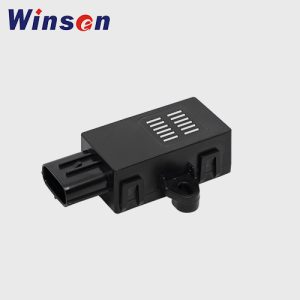
たとえば、私たちの ZRT512E-R454B & R32 モジュールターゲット R454BとR32、サポートします 0–100%LFL、使用します RS485、で指定されます 高感度、高解像度、高速応答、 内蔵温度補償、 水蒸気干渉防止、 そして 長寿命。
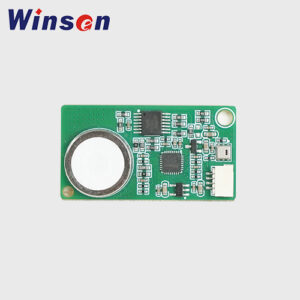
デザインの優先順位が 小型、低消費電力、結露防止性能を実現、a 熱伝導 モジュールの方が良い選択になる可能性があります。私たちの ZR210 ターゲット R32とR454B、熱伝導原理を使用しており、次のように説明されます。 速い応答、 小型、 低消費電力、 長寿命、 そして 優れた結露防止効果;記載されているサイズは 37×20×7mm と uart 出力。
必要な場合は、 コンパクトな組み込み型 R32 センサー ボードレベルの設計の場合、 MH-Z1542B-R32 もう一つの実用的なオプションです。それは nです センサー付き UART出力、 0–5.00% 容量 測定、 0-50% LFL R32の範囲、 T25 < 7 s、 水蒸気干渉防止、 そして lifespan >15 years。
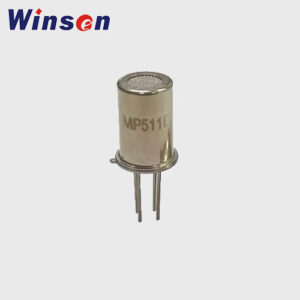
プロジェクトが次の目標に近づいている場合は、 ppmレベルのアラーム設計 完全な A2L RDS モジュールよりも、 ZP201 そして MP511D が関係します。 ZP201 工場で校正された、空調および冷凍機の漏れ検出用の冷媒ガス検出モジュールです。 高感度、 速い応答、 強力な干渉防止、 そして センサー故障自己診断。 MP511D は、周囲空気中の冷媒を検出するために金属酸化物半導体層上に構築された半導体フロンガスセンサーです。


3. モジュールをコントローラーのアーキテクチャに適合させる
センシング原理を選択したら、次の選択要素は次のとおりです。 センサーが制御システムにどのように接続されるか。 UL のガイダンスでは、軽減措置を正しく開始できるように、RDS 配線が RDS コントローラーおよび機器制御に正しく接続されている必要があると強調しています。
そのため、インターフェイスの選択は早い段階で重要になります。現在のポートフォリオでは次のようになります。
- ZRT512E-R454B & R32 用途 RS485 データを更新する間隔 1秒。
- ZRT510-R454B サポートします RS485/UART、 と PWMカスタマイズ可能。
- MH-Z1542B-R32 提供します uart 出力。
- ZR210 が提示されます uart 出力。
実際には、次のことをお勧めします。
- RS485 製品がアプライアンス制御アーキテクチャ上で安定したデジタル通信を必要とする場合、
- uart センサーがローカルボードに直接埋め込まれている場合、
- アプリケーションが完全な A2L HVAC RDS よりも集中的な漏れ警報設計に近い場合は、よりシンプルな ppm レベルのモジュール出力が使用されます。
4. 実際の設置スペースに応じたパッケージを選択します
A2L HVAC 機器の場合、パッケージのサイズは表面上の問題ではありません。 UL は、A2L 冷媒は空気より重いと述べているため、設置手順では通常、冷媒が漏れる可能性がある場所にセンサーを配置します。 沈めて集める、ほとんどの場合 屋内コイルの近く、エンクロージャの底部に向かう。複数の屋内コイルを備えたユニットでは通常、複数のセンサーが使用され、向きによってセンサーの正しい位置が変わる可能性があります。
つまり、センサー モジュールは、設置ポイントをあらかじめ念頭に置いて選択する必要があります。
- 必要な場合は、 より大きな統合モジュール より広範な A2L パフォーマンスとデジタル通信を備え、 ZRT512E 強いフィット感です。
- 必要な場合は、 コンパクトな筐体に優しいモジュール、 ZR210 狭いスペースに設置しやすくなります。
- 必要な場合は、 コンパクトな組み込み NDIR コア カスタムボードまたはハウジングの場合、 MH-Z1542B-R32 そのアプローチに適合します。
- ご希望の場合は、 専用冷媒固有モジュール、 ZRT510 家族が直接道を教えてくれます。
5. 応答性、寿命、環境耐性を確認する
A2L HVAC 機器の場合、高速読み取りだけでは十分ではありません。 UL の現在の枠組みでも次の点が強調されています。 冷媒センサーの寿命にわたる偏差とドリフト、主張されているセンサーの寿命を実証する証拠が必要です。
そのため、選択時には少なくとも次の 5 つの項目を確認することをお勧めします。
- 応答時間、
- 予熱時間、
- 使用温度と湿度、
- 長期的な寿命、
- 干渉防止または結露防止動作。
例えば:
- ZRT512E-R454B & R32 で指定されます 応答時間 ≤ 15 秒、 水蒸気干渉防止、 そして 長寿命。
- ZRT510-R454B で指定されます response time <15 s、 -40~85℃、 0–100%相対湿度、 そして life span >15 years。
- MH-Z1542B-R32 で指定されます T25 <7 s、 0–95% RH (結露なきこと)、 そして lifespan >15 years。
- ZR210 と説明されています 長寿命 そして 優れた結露防止効果。
6. 製品の人気ではなく、アプリケーションのシナリオによって選択します
ほとんどの OEM プロジェクトでは、モジュールを実際のシステムの役割にマップすると、正しい選択がより明確になります。
プロジェクトが 主流の A2L ヒートポンプまたは HVAC プラットフォーム 強力な選択性とコントローラー通信が必要なため、通常は以下から始めることをお勧めします。 ZRT512E-R454B & R32。カバーします R32とR454B、サポートします 0–100%LFL、HVAC、冷凍システム、ヒートポンプ向けに設計されています。
プロジェクトが スペースに限りのある室内機 または電力と結露に敏感な設計、 ZR210 通常は、これがより良い出発点となるのです。 小型、 低消費電力、 そして 結露防止 プロフィール。
プロジェクトに必要な場合は、 冷媒固有のNDIRモジュール インターフェイスの柔軟性がさらに向上し、 ZRT510 家族は有力な選択肢です。の R454B バージョンは次の場所で指定されます 0-50% LFL、 RS485/UART、カスタマイズ可能 PWM、 そして >15 years 寿命。
プロジェクトに必要な場合は、 コンパクトなボードレベルの R32 センサー、 MH-Z1542B-R32 非常に実用的な解決策です uart、 速い応答、 そして 設置面積が小さい。
プロジェクトに必要な場合は、 ppmレベルの漏れ警報モジュール 完全な A2L RDS 指向のモジュールではなく、 ZP201 または MP511D の方が適切なパスかもしれません。
7. センサーの選択を緩和ロジックから分離しないでください。
UL は、一体型 RDS を、1 つ以上の固定センサーを使用して指定された濃度の冷媒漏れを検出し、緩和措置を自動的に開始するシステムと定義しています。 ULはまた、典型的な緩和策としては、室内ファンをオンにする、ダンパーを開ける、ポンプダウンが必要な場合を除きコンプレッサーをオフにする、遮断バルブを閉じる、警報や機械換気を開始するなどが挙げられると指摘しています。 TI の A2L 緩和ノートでは、センサー モジュール、緩和ボード、制御アクションなど、より広範な同じアーキテクチャについて説明しています。
したがって、冷媒センサーを選択するときは、最後に次の質問をすることをお勧めします。
このセンサーはガスを検出するだけですか、それとも最終的なシステム応答戦略の一部ですか?
A2L HVAC 機器の場合、通常、この区別により、組み込み ppm センサー、コンパクトな UART NDIR センサー、または RDS 指向のシステム統合用に設計されたフルモジュールのいずれを選択する必要があるかが決まります。
結論
Winsen では、A2L 冷媒センサーを次の順序で選択することをお勧めします。
1 番目に冷媒、2 番目にしきい値、3 番目に感知原理、4 番目にインターフェース、5 番目にパッケージ、そして全体の寿命信頼性です。 このアプローチは、純粋に価格やパッケージの形状だけで選択するよりも信頼性が高くなります。
ほとんどの人にとって A2L 空調設備:
- 選ぶ nです 選択性、安定した出力、RDS 指向の統合が必要な場合、
- 選ぶ 熱伝導 サイズと結露防止がエンジニアリング上の主な優先事項である場合、
- そして選択してください 半導体ppmソリューション プロジェクトが完全な A2L HVAC RDS 実装ではなく、より重点を置いた漏れ警報設計である場合。
