
Северноамеричко тржиште комерцијалних расхладних уређаја улази у нову фазу у транзицији ка природним расхладним флуидима.
Већ неколико година, транскритични раст расхлађивања ЦО₂ био је вођен углавном централизованим системима регала који се користе у супермаркетима. Тај образац сада почиње да се мења како компактне ЦО₂ кондензационе јединице постају све доступније за мање инсталације које су специфичне за апликације.
Према индустријском извештају из јула 2026, Северна Америка је имала приближно 5.120 супермаркета који користе транскритичне системе за хлађење ЦО₂ у 2025., што представља повећање од отприлике 75% у поређењу са 2023. Произвођачи сада уводе компактне ЦО₂ кондензационе јединице или траже сертификате који су потребни да би се више производа пласирало на регионално тржиште.
Овај развој може проширити употребу Р744 изван великих супермаркета на:
- продавнице;
- продавнице прехрамбених производа малог формата;
- ресторани и услуге хране;
- расхладне собе и замрзивачи за уградњу;
- постројења за прераду хране;
- дистрибутивни центри;
- независна расхладна оптерећења;
- пројекти проширења и реконструкције.
Учесници из индустрије виде упаковане ЦО₂ кондензационе јединице као практичан начин за увођење природних расхладних средстава у мање пројекте који не захтевају комплетан централизовани сталак. ([Природни расхладни флуиди][1])
За произвођаче расхладне опреме, међутим, усвајање ЦО₂ није само питање замене једног расхладног средства другим.
Р744 има карактеристичне карактеристике притиска, температуре и безбедности. Поуздан рад стога зависи од прецизног сенсирања у расхладном кругу и околном окружењу.
Зашто ЦО₂ кондензационе јединице привлаче више пажње
Кондензациона јединица комбинује главне компоненте за хлађење—укључујући компресор, опрему за одбијање топлоте и контроле—у упаковани систем који може да служи независно оптерећење.
Ова архитектура може бити атрактивна за пројекте као што су:
- проширења малих продавница;
- расхладне изложбене површине;
- удаљене хладњаче;
- расхладни уређаји и замрзивачи;
- додатни капацитет за постојећи објекат;
- зоне за хлађење специфичне за примену.
У поређењу са инсталирањем комплетног централизованог сталка, упакована кондензациона јединица може да обезбеди фокусиранији пут за интеграцију ЦО₂ хлађења у нову изградњу, преуређење или проширење капацитета.
Недавна расправа о тржишту Северне Америке такође указује на растуће интересовање за ЦО₂ кондензационе јединице за мање апликације за хладњаче и прераду хране, посебно тамо где је потребна даљинска инсталација и прецизна контрола просторије. ([Природни расхладни флуиди][1])
Р744 ствара нове захтеве за перформансе сензора
ЦО₂, означен као Р744, је природно расхладно средство са потенцијалом глобалног загревања од 1. Није запаљиво и све се више користи у комерцијалном и индустријском хлађењу. ([данфосс.цом][2])
Међутим, системи за хлађење ЦО₂ раде на знатно вишим притисцима од многих старих ХФЦ система. Компоненте развијене за транскритичне Р744 апликације могу бити оцењене за радне притиске око 140 бара или више, у зависности од положаја и дизајна система. ([данфосс.цом][3])
Ово ствара неколико изазова са сензорима:
- Притисак се мора прецизно мерити у широком опсегу.
- Подаци о температури су потребни за контролу, заштиту и оптимизацију ефикасности.
- Цурење ЦО₂ мора бити откривено јер високе концентрације могу створити ризик од гушења.
- Сензори морају да издрже вибрације, циклусе притиска и промене температуре.
- Сензорни систем мора да подржава брзу контролу и дијагнозу квара.
ЦО₂ хлађење стога захтева координирану сензорску архитектуру, а не једну компоненту за праћење.
1. Мониторинг високог притиска у системима за хлађење ЦО₂
Мерење притиска је једна од најважнијих функција сензора у кондензационој јединици Р744.
Типични положаји за праћење притиска могу укључивати:
- усисавање компресора;
- пражњење компресора;
- излаз хладњака за гас;
- пријемник за течност или флеш резервоар;
- улаз и излаз испаривача;
- вентил за регулацију високог притиска;
- гасни бајпас вод;
- коло за управљање нафтом.
Контролер користи ове сигнале притиска да регулише компресоре, вентиле, вентилаторе и функције заштите.
Зашто је тачност притиска битна
Нетачни или нестабилни подаци о притиску могу утицати на:
- контрола прегревања;
- оптимизација притиска гасног хладњака;
- заштита компресора;
- регулација капацитета;
- позиционирање вентила;
- дијагноза пуњења расхладног средства;
- ефикасност система.
У транскритичном раду, контрола притиска на високој страни је уско повезана са температуром околине и перформансама гасног хладњака. Поуздан сигнал притиска омогућава контролеру да подеси радну тачку избегавајући небезбедне услове притиска.
Препоручени Винсен сензори притиска
ВПЦХ04 Керамички предајник притиска
Тхе ВПЦХ04 Керамички трансмитер притиска општег типа нуди опсеге притиска од 0–0,2 МПа до 0–40 МПа, време одзива не више од 1 мс и више опција излаза, укључујући 4–20 мА, 0–5 В и 0,5–4,5 В. Винсен идентификује клима уређаје и контролу притиска гаса или течности међу својим областима примене. ([винсен-сенсор.цом][4])
Његова потенцијална вредност за произвођаче оригиналне опреме за хлађење укључује:
- широк избор притиска;
- брз одговор за контролу затворене петље;
- компактна структура предајника;
- температурно компензован излаз сигнала;
- прилагодљиви конектори и излази.
ВПЦК07 Дифузни силицијумски предајник притиска
За апликације које захтевају шири избор опсега притиска или више опција индустријске производње, ВПЦК07 Дифузни силицијумски предајник притиска подржава опсеге до 100 МПа и пружа неколико излазних формата, укључујући 4–20 мА, напон и И²Ц. Дизајниран је за апликације укључујући ХВАЦ и контролу индустријских процеса. ([винсен-сенсор.цом][5])
Потенцијалне тачке инсталације укључују:
- притисак пражњења компресора;
- праћење водова високог притиска;
- притисак пријемника;
- праћење процеса и безбедности;
- даљински системи за контролу хлађења.
Инжењерска напомена: Коначни избор сензора притиска мора да се заснива на стварном максималном радном притиску, отпорном притиску, притиску пуцања, компатибилности расхладног средства и мазива, процесне везе, структуре заптивке и захтеваног сертификата. Погодност производа за директан контакт са Р744 треба потврдити током евалуације пројекта.
2. Сензор температуре за контролу и ефикасност
Подаци о притиску сами по себи не могу у потпуности описати стање расхладног система.
Температурни сензори су потребни за праћење топлотних услова током циклуса и подржавање прорачуна као што су:
- прегревање;
- потхлађење;
- температура пражњења компресора;
- излазна температура гасног хладњака;
- перформансе испаривача;
- температура кабинета или хладне просторије.
Типичне тачке осетљиве на температуру укључују:
- усисни вод;
- испусни вод;
- гасни хладњак;
- пријемник;
- улаз у испаривач;
- излаз из испаривача;
- расхладни ормарић;
- поврат ваздуха у хладну просторију.
Препоручени Винсен температурни сензори
Пт100-ЦСМД танкослојни платинасти сензор отпора
Тхе Пт100-ЦСМД је компактни танкослојни платинасти отпорни температурни сензор са опсегом мерења од -50°Ц до 400°Ц.
Нуди:
- висока стабилност мерења;
- компактно СМД паковање;
- брз одговор;
- добра отпорност на вибрације и ударце;
- погодност за мерење температуре течности, гаса, паре и чврсте површине. ([винсен-сенсор.цом][6])
Пт1000-ЦСМД танкослојни платинасти сензор отпора
Тхе Пт1000-ЦСМД обезбеђује исти опсег мерења од -50°Ц до 400°Ц у компактном паковању од 3,2 × 1,6 × 0,5 мм. Његова већа номинална отпорност може бити драгоцена у колима где је важно смањење утицаја проводне жице и поједностављење аквизиције сигнала. ([винсен-сенсор.цом][7])
Ови сензорски елементи могу подржати прилагођене склопове сонде за:
- праћење температуре површине цеви;
- праћење пражњења компресора;
- контрола температуре гасног хладњака;
- сензор температуре у ормару и хладној просторији;
- електронске контролне табле.
Коначно кућиште сонде, кабл, термални интерфејс и дизајн заптивања треба да буду развијени у складу са структуром расхладне опреме.
3. Детекција цурења ЦО₂ за безбедност особља и опреме
Иако Р744 није запаљив, значајно цурење може истиснути кисеоник у затвореним или слабо проветреним просторима.
ЦО₂ је такође без боје и мириса, што значи да се цурење можда неће приметити без наменског детектора. Индустријске безбедносне смернице истичу висок притисак и изложеност високој концентрацији као важне опасности које се морају узети у обзир при пројектовању и сервисирању система Р744. ([Цопеланд][8])
Сензори цурења ЦО₂ могу се инсталирати у:
- собе за опрему;
- расхладне складишне просторије;
- компресорски одељци;
- продавнице;
- кућишта машина;
- инсталације унутрашњих кондензационих јединица;
- области сервиса и одржавања.
Пошто је ЦО₂ тежи од ваздуха у типичним унутрашњим условима, постављање детектора треба да се одреди кроз процену ризика специфичне за локацију и примењиве кодове, а не ослањајући се на једну универзалну позицију за монтажу.
Препоручени Винсен ЦО₂ сензор цурења
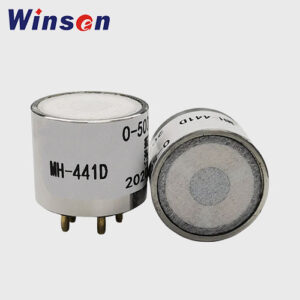
МХ-410Д НДИР индустријски ЦО₂ сензор
Тхе МХ-410Д НДИР индустријски ЦО₂ сензор је компактни инфрацрвени сензор дизајниран за индустријско мерење концентрације ЦО₂.
Доступни опсези мерења укључују:
- 0–2.000 ппм;
- 0–6.000 ппм;
- 0–1% вол;
- 0–3% вол;
- 0–5% вол;
- већи распони доступни према конфигурацији пројекта.
Обезбеђује УАРТ и аналогно-напонске излазе, температурну компензацију, стабилан линеарни излаз и типично Т90 време одзива испод 30 секунди. ([винсен-сенсор.цом][9])
НДИР технологија је посебно погодна за праћење ЦО₂ јер:
- директно детектује карактеристике инфрацрвене апсорпције ЦО₂;
- не ослања се на кисеоник;
- нуди добру селективност циљаног гаса;
- нема потрошну електрохемијску реакцију;
- подржава дугорочно континуирано праћење.
МХ-410Д се може интегрисати у:
- фиксни аларми за цурење ЦО₂;
- комерцијалне контролне табле за хлађење;
- опрема за надзор машинских просторија;
- системи за контролу вентилације;
- преносиви инспекцијски инструменти.
Прагови аларма, опсег мерења и стратегија калибрације морају бити изабрани у складу са локалним безбедносним прописима, запремином просторије, дизајном вентилације и проценом ризика опреме.
4. Од појединачних сензора до интелигентне контроле хлађења
Модерна јединица за кондензацију ЦО₂ захтева више сигнала сензора да би радила безбедно и ефикасно.
Типичан ланац сензора и контроле може да функционише на следећи начин:
- Сензори притиска мере радне услове на високој и ниској страни.
- Сензори температуре прате температуру цеви, компресора и расхладног простора.
- Регулатор израчунава прегревање, топлотно оптерећење и радну ефикасност.
- Вентили, компресори и вентилатори се подешавају динамички.
- ЦО₂ сензор надгледа околно окружење због цурења.
- Ако се појаве абнормални услови, систем може да активира аларме, вентилацију, искључивање или функције заштите од притиска.
Овај приступ са више параметара побољшава и квалитет контроле и дијагностичку способност.
| Мониторинг Параметер | Главна системска вредност |
|---|---|
| Високи бочни притисак | Управљање хладњаком и регулационим вентилом |
| Усисни притисак | Надзор оптерећења компресора и испаривача |
| Температура пражњења | Заштита компресора |
| Температура усисавања | Прорачун прегревања |
| Температура расхлађеног простора | Очување производа и хране |
| Концентрација ЦО₂ у околини | Упозорење на цурење и вентилациони спој |
Приоритети избора сензора за произвођаче опреме Р744
Приликом одабира сензора за кондензациону јединицу ЦО₂, произвођачи опреме треба да процене више од номиналне тачности.
Опсег притиска и способност преоптерећења
Опсег сензора треба да покрије и нормалне радне услове и очекиване абнормалне притиске без жртвовања корисне резолуције.
Компатибилност медија
Материјали за контакт под притиском, заптивке и процесни прикључци морају бити компатибилни са ЦО₂, расхладним уљем и очекиваним температурним опсегом.
Температурна компензација
Мерења притиска и гаса треба да остану стабилна у целом опсегу радне температуре кондензационе јединице.
Време одзива
Брз одзив сензора помаже контролеру да управља компресорима и вентилима високог притиска током брзих промена оптерећења.
Отпорност на вибрације
Компресори, вентилатори и транспорт могу изложити сензоре сталним вибрацијама и механичким ударима.
Излаз и комуникација
Уобичајене опције укључују:
- 0.5–4,5 В;
- 0–5 В;
- 4–20 мА;
- И²Ц;
- УАРТ;
- РС485.
Излаз треба да одговара архитектури управљања и удаљености кабла.
Функционална безбедност и дијагностика
За надзор везан за безбедност, дизајнери треба да размотре:
- дијагноза отвореног и кратког споја;
- идентификација грешке сензора;
- редундантно мерење;
- закључавање аларма;
- независна логика искључивања.
Препоручена комбинација Винсен сензора
За пројекат комерцијалне кондензационе јединице Р744, следећи производи могу бити полазна тачка за техничку процену:
| Мониторинг Неед | Препоручени Винсен производ | Кључна вредност |
|---|---|---|
| Откривање цурења расхладног средства ЦО₂ | МХ-410Д НДИР ЦО₂ сензор | Опциони опсези високе концентрације, УАРТ и аналогни излаз |
| Праћење притиска хлађења | ВПЦХ04 Предајник притиска | До 40 МПа, брз одзив, компактна интеграција |
| Индустријски надзор високог притиска | ВПЦК07 Предајник притиска | Широк опсег до 100 МПа и више излаза |
| Температура цеви и површине | Пт100-ЦСМД | Висока стабилност и опсег од -50°Ц до 400°Ц |
| Компактан електронски сензор температуре | Пт1000-ЦСМД | Компактан СМД пакет и поуздано дугорочно мерење |
Ови производи треба да буду усклађени са коначним системским захтевима кроз техничку процену, тестирање валидације и прилагођавање специфичним за апликацију.
Могућности за произвођаче сензора и ОЕМ произвођаче расхладних уређаја
Ширење ЦО₂ кондензационих јединица ствара више од нове категорије расхладне опреме.
Такође повећава потражњу за:
- сензор притиска високог опсега;
- тачно мерење температуре;
- компактна детекција цурења ЦО₂;
- интегрисана контролна електроника;
- даљинско праћење кварова;
- предиктивно одржавање;
- прилагођени ОЕМ сензорски склопови.
Како ЦО₂ системи прелазе у мање продавнице и упаковану опрему, величина сензора, цена, ефикасност интеграције и конзистентност производње постају све важнији.
Ово пружа прилику да се капацитети сензора индустријске класе унесу у компактније и стандардизованије расхладне производе.
Постављана питања
Шта је кондензациона јединица ЦО₂?
ЦО₂ кондензациона јединица је упаковани расхладни систем који користи Р744 као расхладно средство. Углавном укључује компресор, гасни хладњак или измењивач топлоте, контролне компоненте и повезане сигурносне уређаје за опслуживање независног расхладног оптерећења.
Зашто кондензационе јединице ЦО₂ постају све популарније?
Они обезбеђују практичан начин коришћења природног расхладног средства у продавницама, хладњацима, малопродаји малог формата, угоститељским објектима и пројектима реконструкције без инсталирања комплетног централизованог сталка.
Зашто системи Р744 захтевају сензоре високог притиска?
Расхладна техника ЦО₂ ради на знатно вишим притисцима од многих традиционалних ХФЦ система, посебно на транскритичној високој страни. Сензор притиска је стога од суштинског значаја за контролу и заштиту.
Може ли конвенционални сензор ЦО₂ квалитета унутрашњег ваздуха да открије цурење Р744?
Само када његов домет, време одзива и еколошки дизајн одговарају захтевима за праћење цурења. Примене за хлађење могу захтевати мерење процентуалног нивоа уместо стандардног опсега квалитета ваздуха у затвореном од 2.000 ппм.
Који Винсен сензор се препоручује за цурење ЦО₂?
МХ-410Д нуди конфигурабилне опсеге мерења до 5% вол и више опције пројекта, што га чини погодним кандидатом за фиксну опрему за детекцију цурења ЦО₂.
Да ли се Винсен сензори притиска могу инсталирати директно у коло Р744?
Потребна оцена притиска може бити доступна, али директна компатибилност мора бити потврђена на основу компатибилности ЦО₂ и уља, заптивања, прикључка под притиском, температуре, вибрација и захтева за сертификацију.
Закључак: Поуздано хлађење ЦО₂ почиње прецизним сенсингом
Тржиште расхладних уређаја у Северној Америци са ЦО₂ еволуира од примарно централизованих регала у супермаркетима ка ширем спектру упакованих и дистрибуираних система.
ЦО₂ кондензационе јединице могу учинити технологију Р744 приступачнијом за продавнице, хладњаче, прераду хране, проширења малопродаје и независна расхладна средства. Али њихово успешно усвајање зависи од поуздане контроле притиска, прецизног мерења температуре и ефикасног праћења цурења ЦО₂.
Винсен обезбеђује технологије сензора притиска, температуре и НДИР ЦО₂ које могу да подрже развој компактне, интелигентне и поуздане расхладне опреме Р744.
За избор сензора, прилагођене опсеге притиска, дизајн сонде, излаз комуникације или процену узорка, контактирајте наш инжењерски и продајни тим.

