

As HVAC equipment moves toward lower-GWP refrigerants such as Р32 и Р454Б, refrigerant detection has become an important part of product safety design. For A2L refrigerant systems, the sensor is not only used to detect leakage; it may also support alarm output, fan activation, system shutdown, or other mitigation actions.
For engineering teams, one common question is: Should we use an NDIR refrigerant sensor or a MOS semiconductor refrigerant sensor?
The answer depends on the target refrigerant, detection range, system control logic, installation space, cost structure, and long-term reliability requirements. At Winsen, we provide both NDIR infrared refrigerant sensors и semiconductor refrigerant gas sensors, so HVAC OEMs can select the right solution according to their real application scenario.
Why A2L refrigerant detection needs careful sensor selection
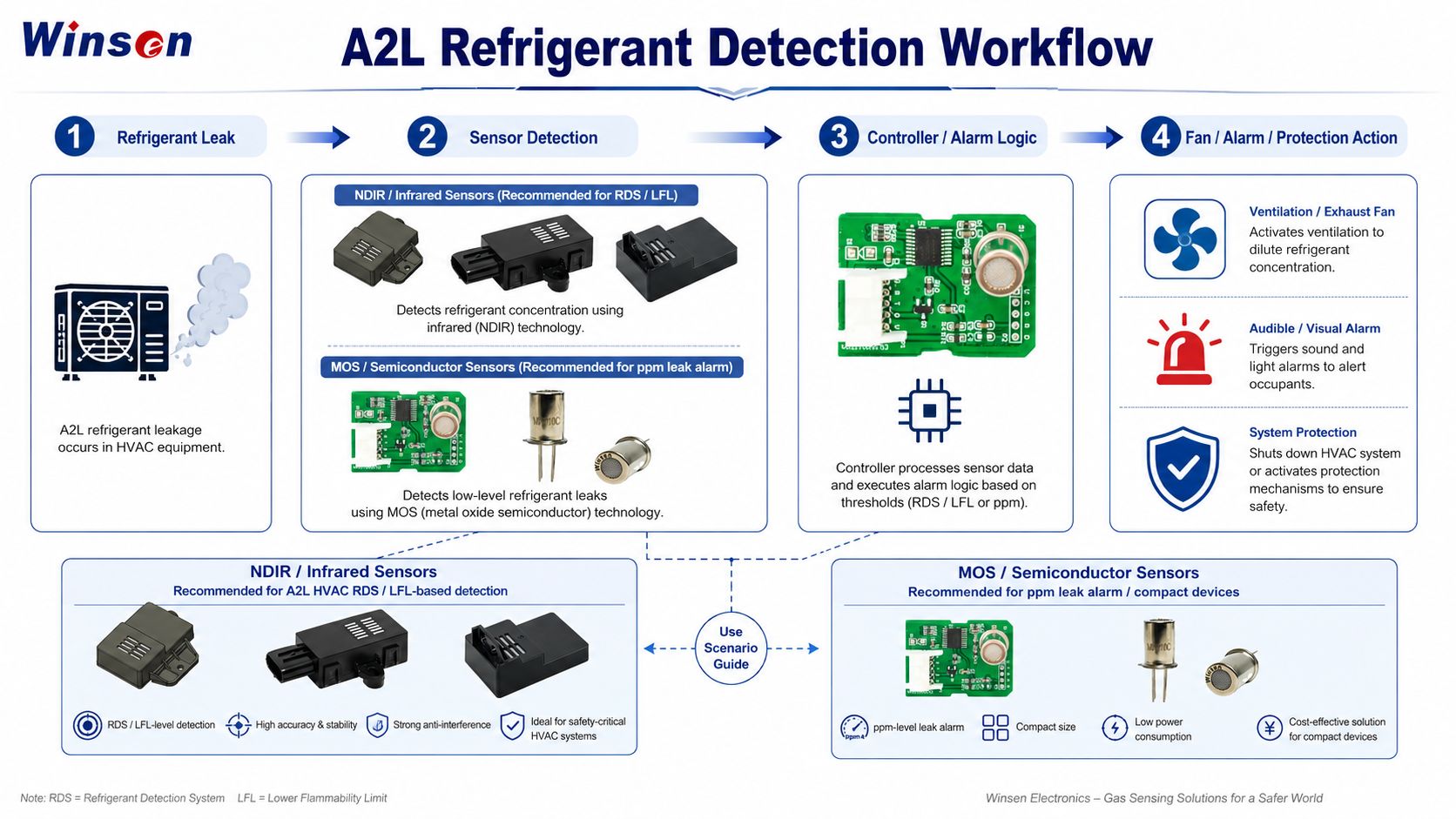
A2L refrigerants are mildly flammable refrigerants used in modern HVAC and heat pump systems. Under UL 60335-2-40 related refrigerant detection requirements, the refrigerant detection system is not evaluated as a simple gas alarm only; it is part of the complete response chain, including sensor, control logic, and mitigation action. UL states that when the refrigerant detection system senses refrigerant concentration at 25% доње границе запаљивости (ЛФЛ), it must initiate a system response to mitigate risk. UL also emphasizes sensor robustness, reliability, and drift over the sensor life cycle.
This means that an A2L refrigerant sensor should be selected according to the system role:
- Is it used for RDS-oriented LFL detection?
- Is it used for ppm-level leakage alarm?
- Does the system need digital communication?
- Is the installation space limited?
- Does the sensor need strong long-term stability?
- Will the signal trigger fan, alarm, valve, or shutdown logic?
NDIR and MOS sensors can both be used in refrigerant leak detection, but they serve different engineering needs.
What is an NDIR refrigerant sensor?
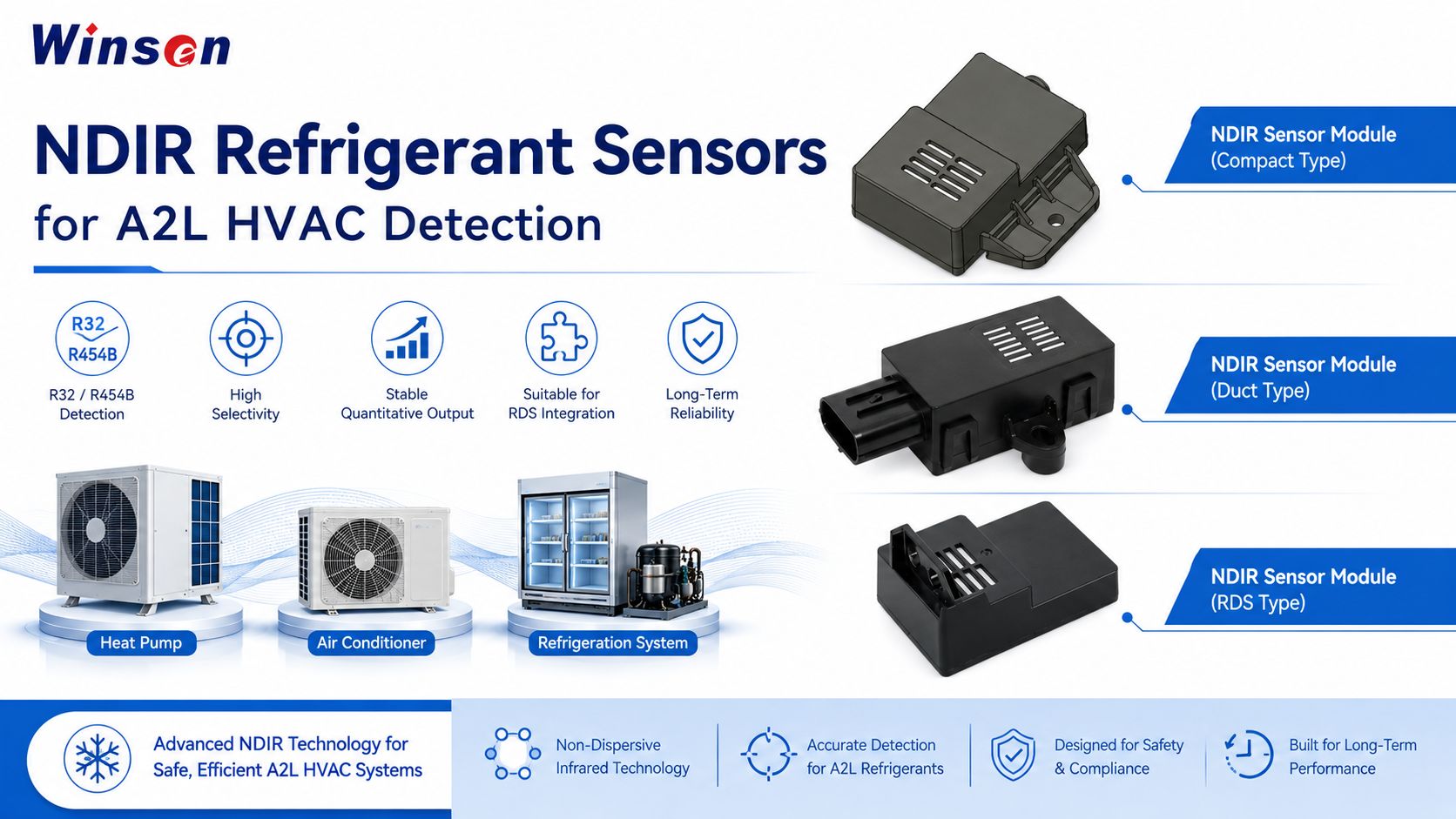
Је н stands for Не-дисперзивна инфрацрвена. An NDIR refrigerant sensor detects gas by measuring the absorption of infrared light by refrigerant molecules. For A2L HVAC systems, NDIR is often selected when the project requires stable quantitative detection, good selectivity, and integration with control logic.
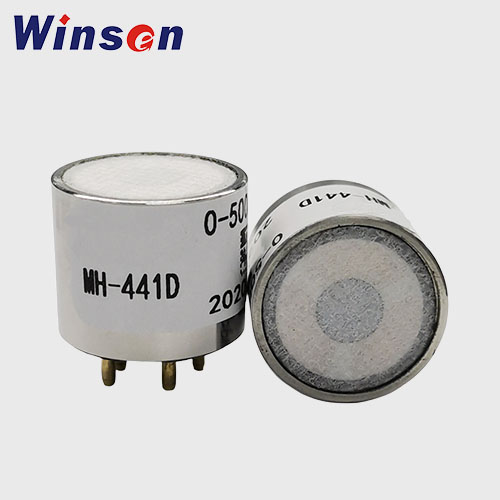
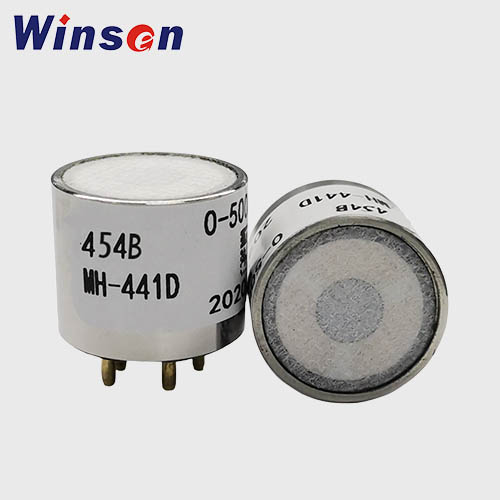
In Winsen’s refrigerant sensor portfolio, NDIR solutions include ЗРТ512Е, ZRT512C series, ZRT510 series, МХ-З1542Би MH-441D. These products are designed for refrigerants such as Р32, Р454Б, Р290, Р410Аи Р134А, depending on the model. The product table on the refrigerant sensor page shows multiple NDIR modules for LFL or volume-based refrigerant detection, including ZRT512E-R454B & R32 са 0–100% ЛФЛ, and several ZRT512C / ZRT510 models for 0–50% ЛФЛ or customized refrigerant applications.
Engineering advantages of NDIR for A2L detection
NDIR is especially suitable when the system needs:
- Higher selectivity for target refrigerants
- Stable quantitative output
- LFL-based refrigerant detection
- Digital communication with HVAC controllers
- Long service life
- **Low risk of poisoning compared with combustion-type principles
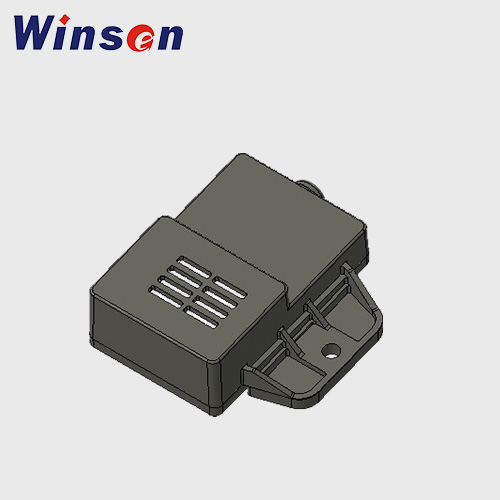
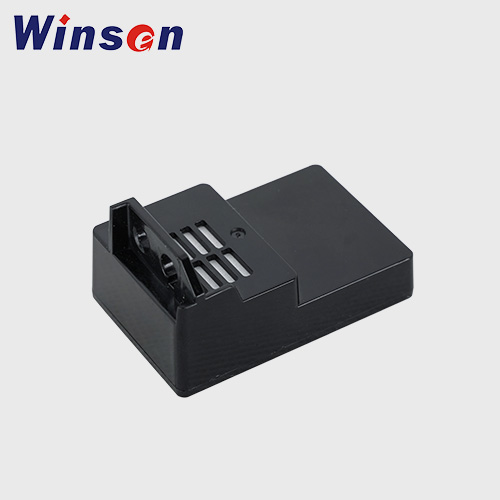
ZRT512C-B Refrigerant Detection Module – Low Voltage Power Supply
- R32/R454B/R290
- 0 – 50%LFL
- Прочитајте више
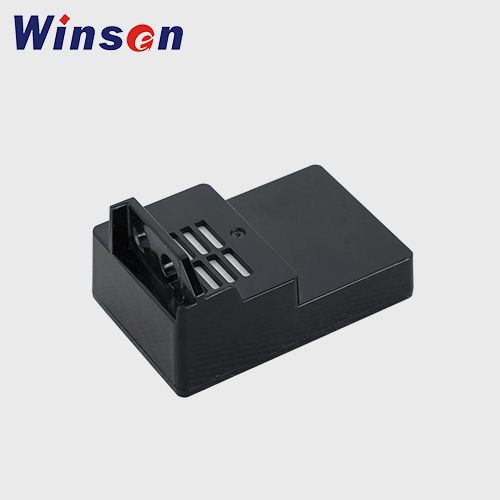
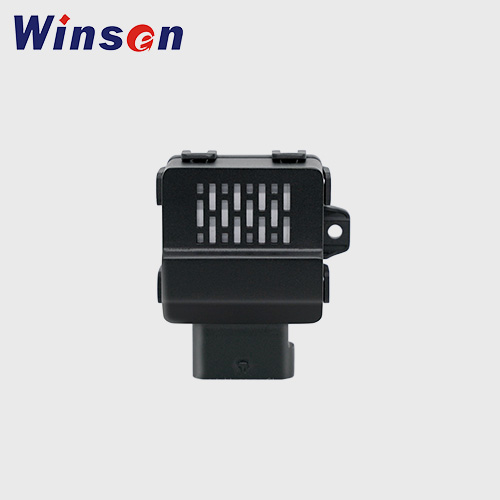
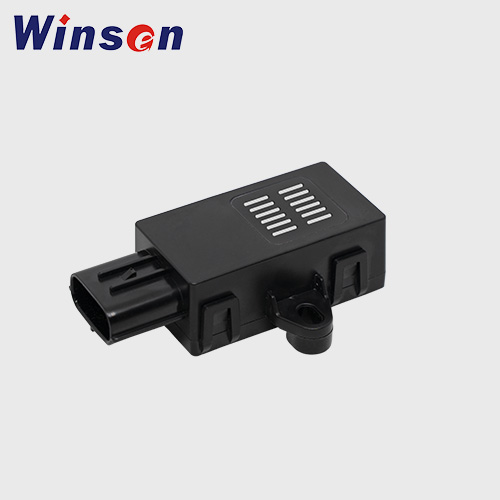
ZRT512C-A Refrigerant Detection Module – Wide Voltage Power Supply
- R32/R454B/R290
- 0 – 50%LFL
- Прочитајте више
What is a MOS refrigerant sensor?
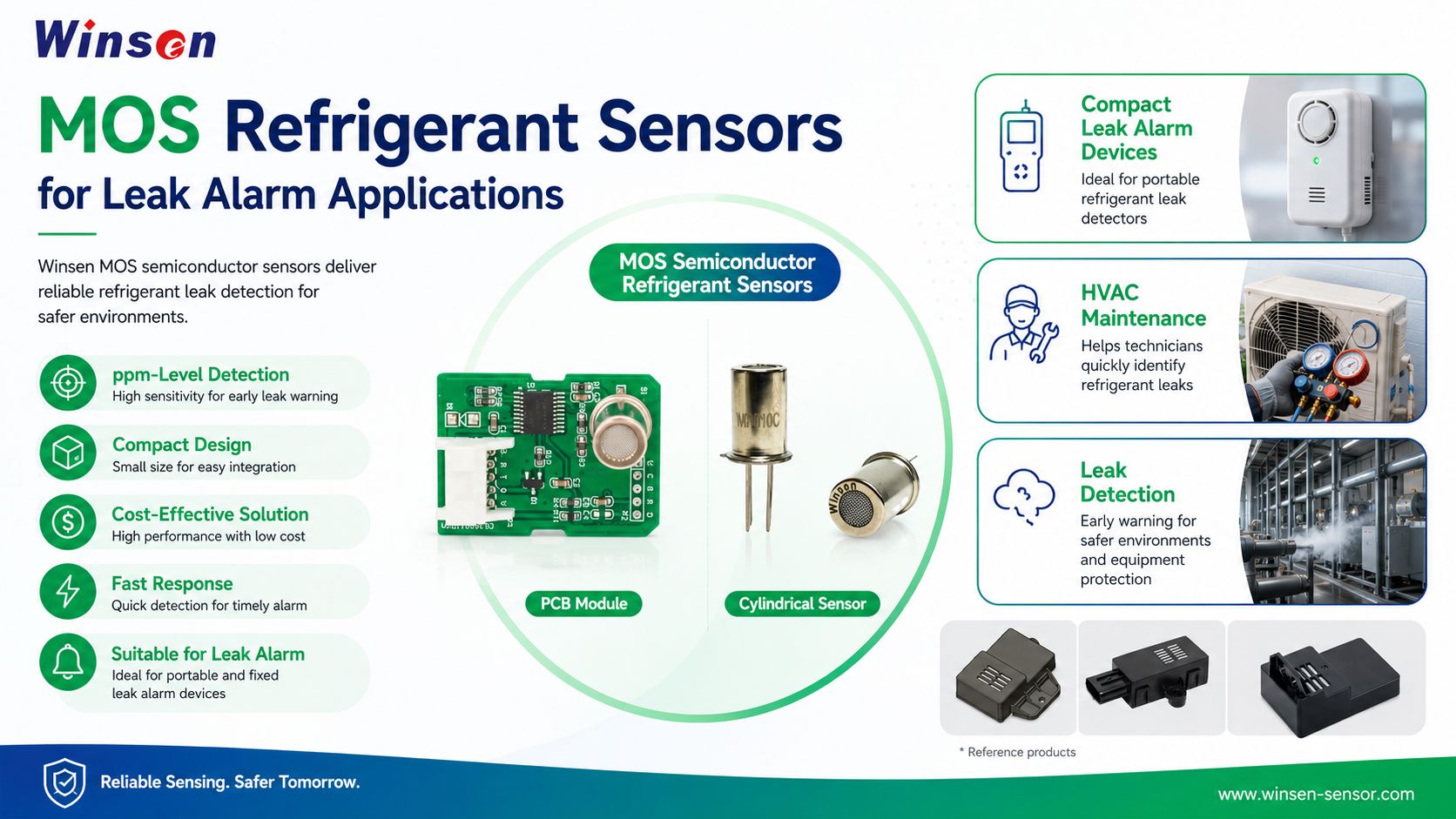
Мос usually refers to a metal oxide semiconductor gas sensor. A MOS refrigerant sensor detects gas through conductivity changes in a metal-oxide sensing layer. When refrigerant gas exists in ambient air, the conductivity of the sensing layer changes, and this change is converted into an output signal through the circuit.
In Winsen’s refrigerant sensor portfolio, MOS / semiconductor options include МП511Д, МП510Ц, and semiconductor-based detection modules such as ЗП201. These products are more suitable for ppm-level refrigerant leakage alarm, compact alarm devices, and cost-sensitive detection designs. The refrigerant sensor page lists МП511Д as a semiconductor sensor with 200–10000 ppm detection range and МП510Ц as a semiconductor sensor with 100–10000 ppm detection range.
Engineering advantages of MOS for refrigerant detection
MOS sensors are useful when the project needs:
- Compact sensing element
- ppm-level leakage indication
- Cost-effective design
- Simple alarm logic
- Detection of multiple refrigerant gases
- Integration into small alarm devices or custom boards
For example, МП511Д is a semiconductor Freon gas sensor for refrigerant leak detection in air conditioning and refrigeration systems. It uses a metal oxide semiconductor gas-sensitive layer, with 200–10000 ppm detection range, and is designed with high selectivity, fast response, good anti-interference, long lifespan, and good stability.
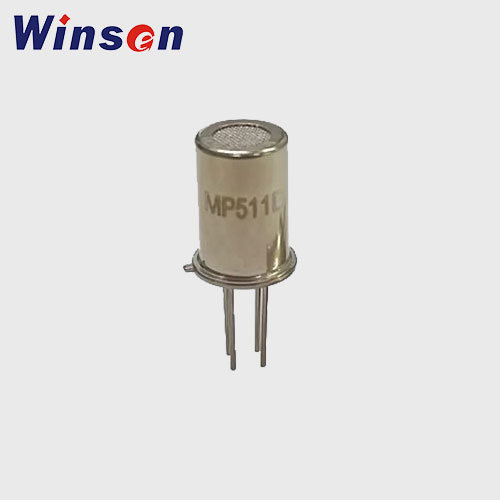
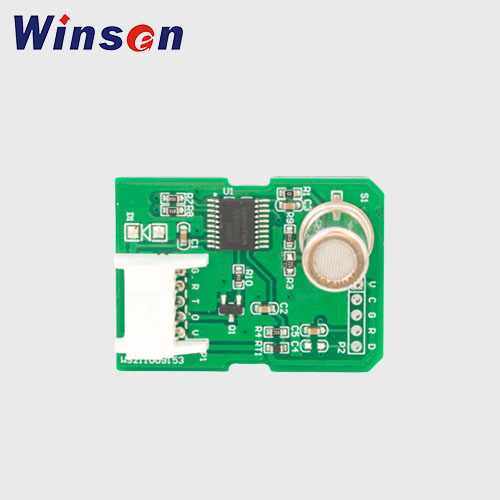
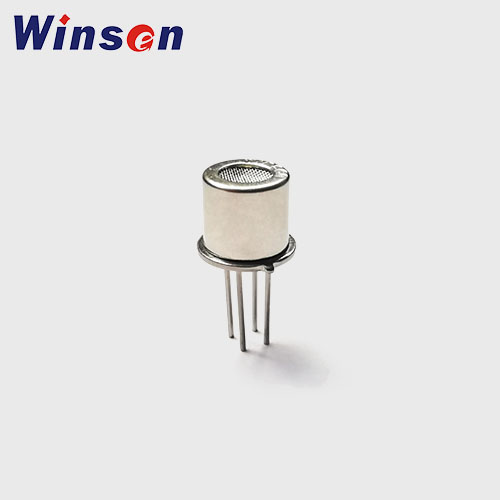
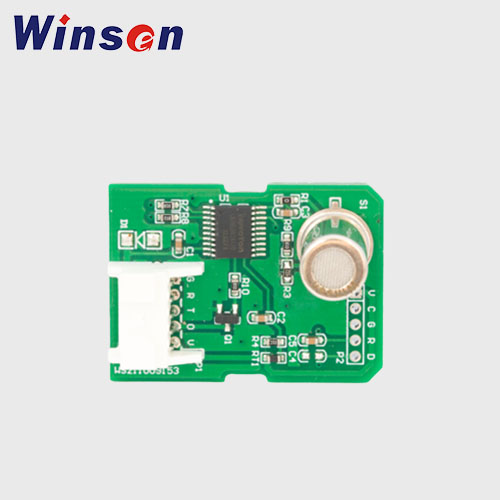
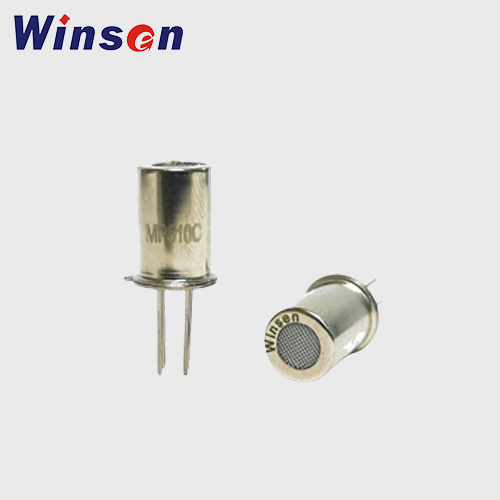
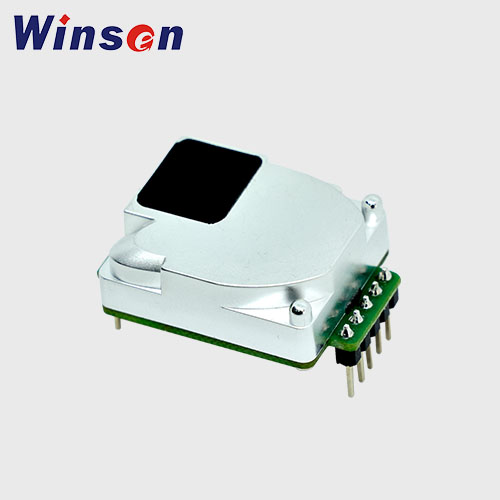
МП510Ц сензор за расхладно средство
- refrigerant gases:R32、R134a、R410a、R290
- 100-10000ppm
- Прочитајте више
NDIR vs MOS: the key difference for A2L HVAC systems
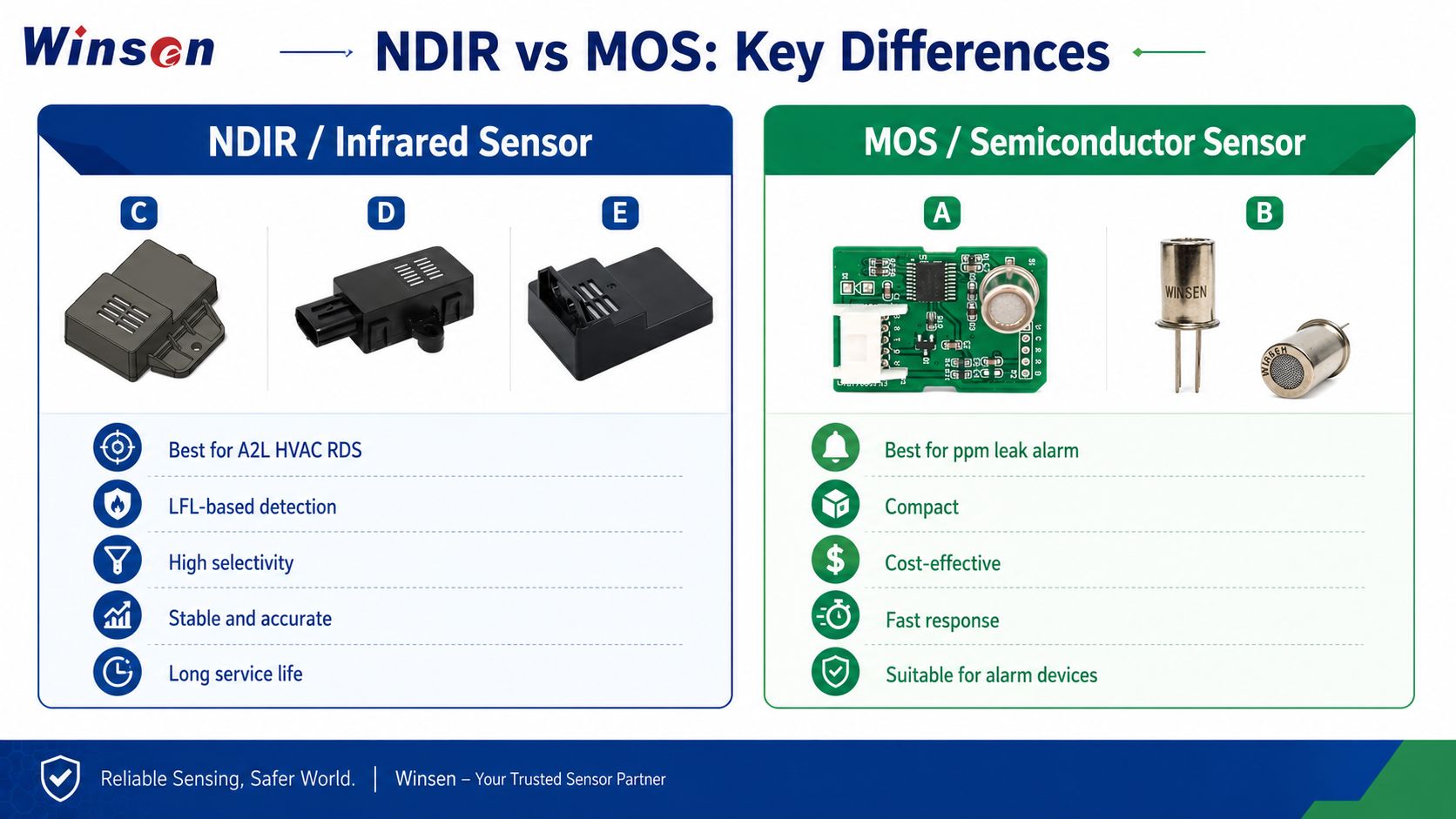
The most important difference is not simply “which sensor is better.” The real difference is which sensor fits the system function.
| Selection Factor | НДИР сензор расхладног средства | MOS / Semiconductor Refrigerant Sensor |
|---|---|---|
| Main detection purpose | LFL / volume-based refrigerant detection | ppm-level leakage alarm |
| Typical output need | Digital communication, controller integration, quantitative output | Basic signal processing or alarm circuit |
| Best fit | A2L HVAC equipment, heat pumps, RDS-oriented designs | Compact leak alarm, cost-sensitive detection, embedded alarm boards |
| Selectivity | Generally stronger for target refrigerants | Depends more on gas environment and compensation design |
| Long-term stability | Strong advantage in OEM safety-related designs | Practical for many alarm applications, but aging/calibration strategy matters |
| Typical Winsen products | ZRT512E, ZRT512C, ZRT510, MH-Z1542B, MH-441D | MP511D, MP510C, ZP201 |
| Recommended use case | R32 / R454B heat pumps, HVAC controller integration, LFL response logic | Refrigerant leakage alarm, compact device, ppm detection, auxiliary monitoring |
For A2L HVAC equipment that needs to support 25% LFL response logic, we normally recommend starting from an NDIR module. For equipment or devices that need early ppm-level leakage alarm, MOS semiconductor sensors can be a practical and cost-effective choice.
When to choose NDIR for A2L detection
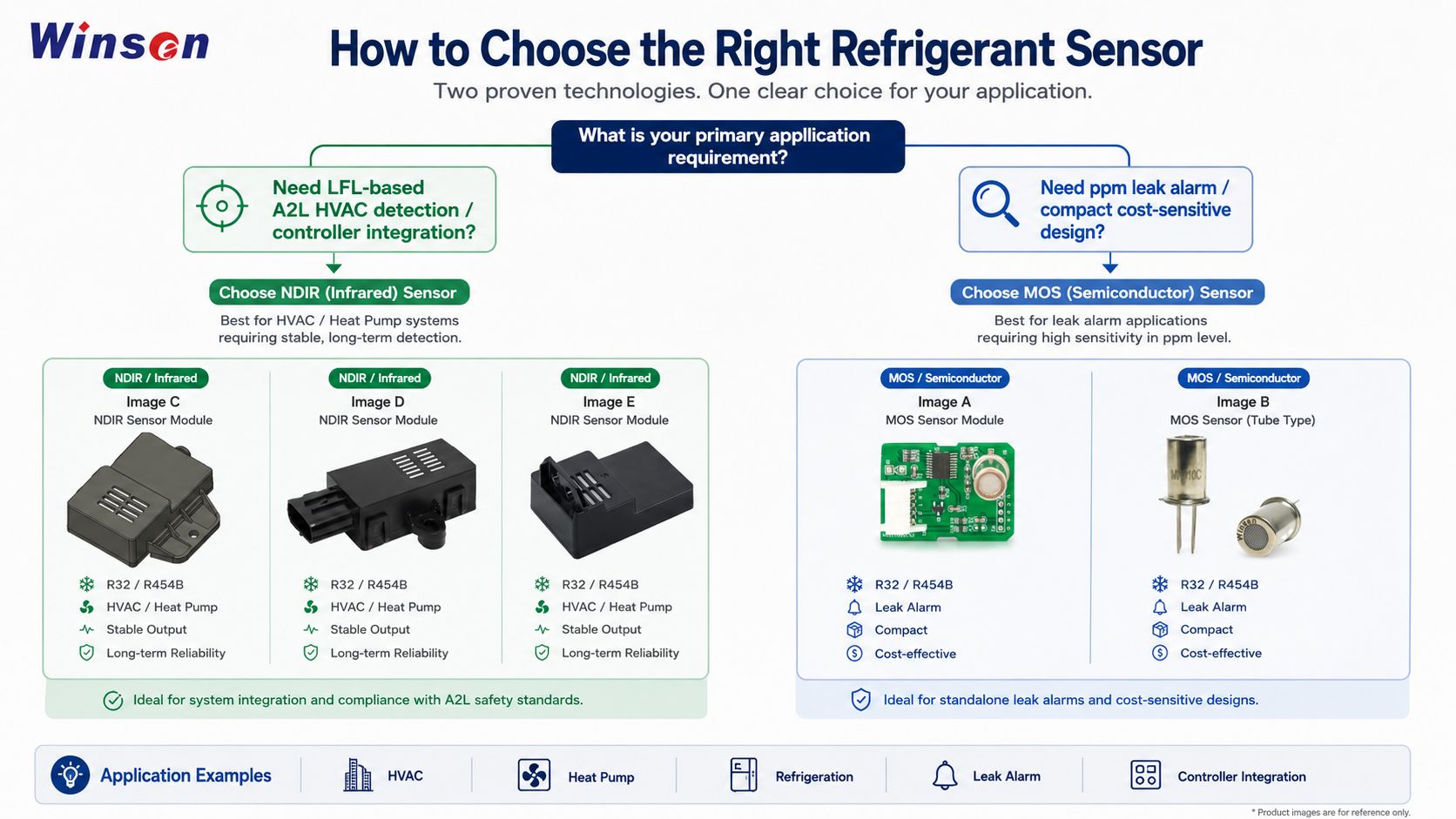
Choose NDIR when the refrigerant sensor is part of a system-level safety or control function.
This is the preferred direction for:
R32 and R454B heat pumps
For heat pump manufacturers using R32 or R454B, the sensor usually needs to work with the main controller, fan control, alarm logic, or protection strategy. In this case, ZRT512E-R454B & R32 is a strong choice because it targets both gases, supports 0–100% ЛФЛ, користи Је н, и пружа РС485 communication for integration into controller architecture.
HVAC equipment requiring stable LFL detection
For mainstream A2L HVAC detection, the ZRT512C family provides NDIR-based options covering R32/R454B/R290 са 0–50% ЛФЛ detection range. This is suitable for OEMs that need a module platform for A2L refrigerant leak detection across different equipment structures.
Dedicated refrigerant-specific projects
If the heat pump or HVAC platform is designed around one specific refrigerant, the ЗРТ510 family can support a more dedicated module strategy. The ЗРТ510-Р454Б module is an NDIR module for R454B, with R32 or R290 customization options, RS485 output, high sensitivity, high resolution, and fast response.
Compact NDIR embedded design
If the product requires a small NDIR module for embedded integration, МХ-З1542Б-Р32 can be used for R32 applications, while MH-441D supports refrigerants including R32, R454B, R410A, and R134A with UART / analog voltage output options shown in the product list.
When to choose MOS for refrigerant detection
Choose MOS when the system requires a compact, cost-effective refrigerant leakage sensing element or ppm-level alarm design.
This is suitable for:
Simple refrigerant leakage alarm devices
For leak alarm products where the control requirement is not based on LFL percentage but on ppm-level gas presence, MOS can provide a practical sensing solution. МП511Д covers 200–10000 ppm, док МП510Ц covers 100–10000 ppm.
Compact board-level detection
MOS sensors are small and suitable for compact alarm boards, simple detection circuits, or products where space and cost are highly sensitive.
Multi-refrigerant alarm concepts
МП510Ц can detect refrigerant gases including R32, R134a, R410a, and R290, док МП511Д is designed for refrigerant gas detection and can detect refrigerants including R134a, R454B, and R290 according to the product information.
ppm alarm module implementation
For air conditioning and refrigeration systems that need a compact detection module rather than a bare sensing element, ЗП201 is a semiconductor-based refrigerant gas detection module for Р32 with a listed alarm value of 5000 ppm.
Why NDIR is usually preferred for A2L RDS-oriented design
For A2L HVAC equipment, the refrigerant detection function may be connected to mitigation actions. UL explains that refrigerant leak detection systems require sensors and control logic electronics that activate system response to disperse and dilute leaked refrigerant, and the updated requirements focus on 25% LFL response, sensor driftи system life-cycle reliability.
Because of this, NDIR is often the first choice when the sensor is expected to support:
- LFL-based response logic
- Stable quantitative measurement
- Controller communication
- Long-term installation in heat pump or HVAC equipment
- A2L refrigerant detection with fewer false response risks
- OEM-level product validation
This does not mean MOS is “not good.” It means MOS is usually better positioned for ppm-level leakage alarm, while NDIR is better positioned for A2L equipment-integrated detection logic.
Recommended Winsen selection path
If your project is R32 / R454B heat pump equipment
Start with ZRT512E-R454B & R32.
It is suitable when the system needs R32 and R454B detection, 0–100% LFL range, RS485 communication, and strong performance for HVAC, refrigeration, and heat pump applications.
If your project needs a mainstream 0–50% LFL NDIR platform
Consider the ZRT512C family.
It is suitable for A2L refrigerant detection platforms using R32, R454B, or R290, especially where OEMs need a balance of detection range, response, and module structure.
If your project needs a dedicated R32 or R454B module
Consider ZRT510-R32 или ЗРТ510-Р454Б.
This path is useful when the product platform is refrigerant-specific and the engineering team prefers a dedicated validation direction.
If your project needs compact embedded NDIR sensing
Consider МХ-З1542Б-Р32 или MH-441D.
These are more suitable for compact embedded designs where the sensor is integrated into a custom board or enclosure.
If your project needs ppm-level leakage alarm
Consider МП511Д, МП510Ц, или ЗП201.
This path is more suitable for refrigerant alarm products, auxiliary monitoring, or applications where ppm-level detection is more important than LFL-based A2L RDS logic.
Practical engineering recommendation
For A2L HVAC equipment, we recommend choosing the sensor in this order:
- Target refrigerant: R32, R454B, R290, R410A, R134A, or mixed platform.
- Detection unit: LFL / %Vol / ppm.
- System function: RDS response, leakage alarm, automatic switch-off, or auxiliary monitoring.
- Sensing principle: NDIR, MOS semiconductor, or thermal conduction.
- Output interface: RS485, UART, analog voltage, or circuit-level signal.
- Installation structure: packaged module, compact embedded module, or bare sensor.
- Environmental condition: humidity, condensation, airflow, temperature, vibration, and long-term drift.
За већину R32 and R454B A2L HVAC equipment, NDIR is usually the preferred starting point. For compact leakage alarm devices и ppm-level monitoring, MOS semiconductor sensors remain a practical solution.
Постављана питања
Is NDIR better than MOS for A2L refrigerant detection?
For A2L HVAC equipment that needs LFL-based detection and system response logic, NDIR is usually the better starting point because it supports stable quantitative detection and controller integration. MOS is more suitable for ppm-level leakage alarm or cost-sensitive compact detection designs.
Can MOS sensors detect A2L refrigerants?
Yes. Winsen provides MOS / semiconductor refrigerant sensors such as МП511Д и МП510Ц for refrigerant gas detection. These products are suitable for ppm-level leakage detection applications.
Which Winsen NDIR module is suitable for R32 and R454B?
ZRT512E-R454B & R32 is a strong option for R32 and R454B heat pump and HVAC projects. It uses NDIR, supports 0–100% ЛФЛ, и пружа РС485 communication.
Which Winsen product is suitable for ppm-level refrigerant alarm?
For ppm-level detection, МП511Д, МП510Ци ЗП201 can be considered according to the target refrigerant and alarm strategy.
Should every A2L HVAC project use the same refrigerant sensor?
No. The right sensor depends on refrigerant type, detection range, installation space, output interface, and whether the sensor is part of an RDS response system or a leakage alarm function.
Закључак
For A2L detection, NDIR and MOS refrigerant sensors are not competing answers to the same problem. They solve different engineering tasks.
Је н is the preferred path for A2L HVAC equipment requiring stable LFL-based detection, controller communication, and long-term reliability. MOS semiconductor sensors are valuable for ppm-level leakage alarm, compact detection boards, and cost-sensitive refrigerant monitoring devices.
At Winsen, we provide both technical routes so heat pump, air conditioner, refrigeration, and HVAC OEM customers can choose the right solution according to the real system architecture—not simply by sensor type.

Коментар (1)
[…] For background on system architecture, see our A2L refrigerant detection guide, RDS guide for R32 and R454B equipment and NDIR versus MOS comparison. […]