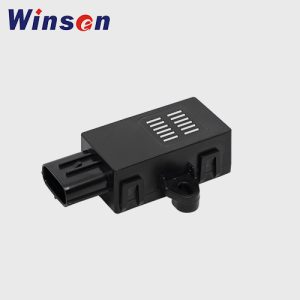
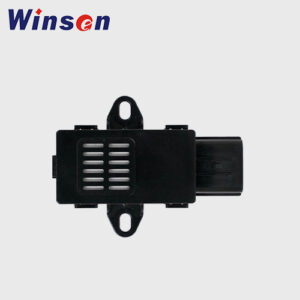
Refrigerant Gas Leak Sensor (Leak Detector) — A1 / A2L / A3
Winsen® manufactures fixed refrigerant gas leak sensors and detectors for A1 (R134a, R410A, R404A), A2L (R32, R454B, R1234yf/ze), and A3 (R290, R600a) gases. Choose Adalah n untuk amaran awal PPM atau Mos/dir for %LEL safety interlocks—ready for BMS/PLC via 4-20 Ma, RS-485 Modbus, dan Output relay.


Model Guide — Select by Refrigerant Class
A1 HFC/HFO - NDIR PPM
- Ranges: 0–1,000 / 0–5,000 ppm (customizable)
- Output: 4-20 Ma, RS-485 Modbus, 1-2 Relay
- T90 ≤ 30 s • Drift Rendah, Hayat Panjang
A2L Low-GWP — NDIR PPM / %LEL
- PPM early warning and/or 0–100% LFL/LEL
- 4-20 MA / RS-485 / Relay
- Ideal for VRF/VRV rooms & heat pumps
A3 mudah terbakar - Keselamatan LEL %
- Julat: 0-100% LEL (NDIR-LEL atau MOS)
- Relay untuk Interlocks Fan/Start-Stop
- Perumahan lasak hingga IP65
Why a Refrigerant Gas Leak Sensor?
- Amaran Awal: Detect ppm-level leaks before comfort or uptime is affected.
- Keselamatan Interlocks: Use %LFL thresholds to start ventilation and shut down equipment.
- Integrasi: Native 4–20 mA / RS-485 / relays for BMS, PLC, horns and beacons.
- Lower loss & service cost: Continuous monitoring reduces refrigerant escape and downtime.
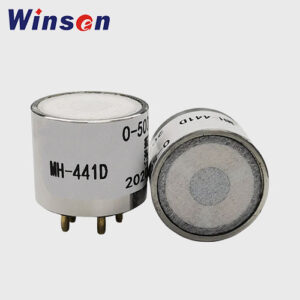
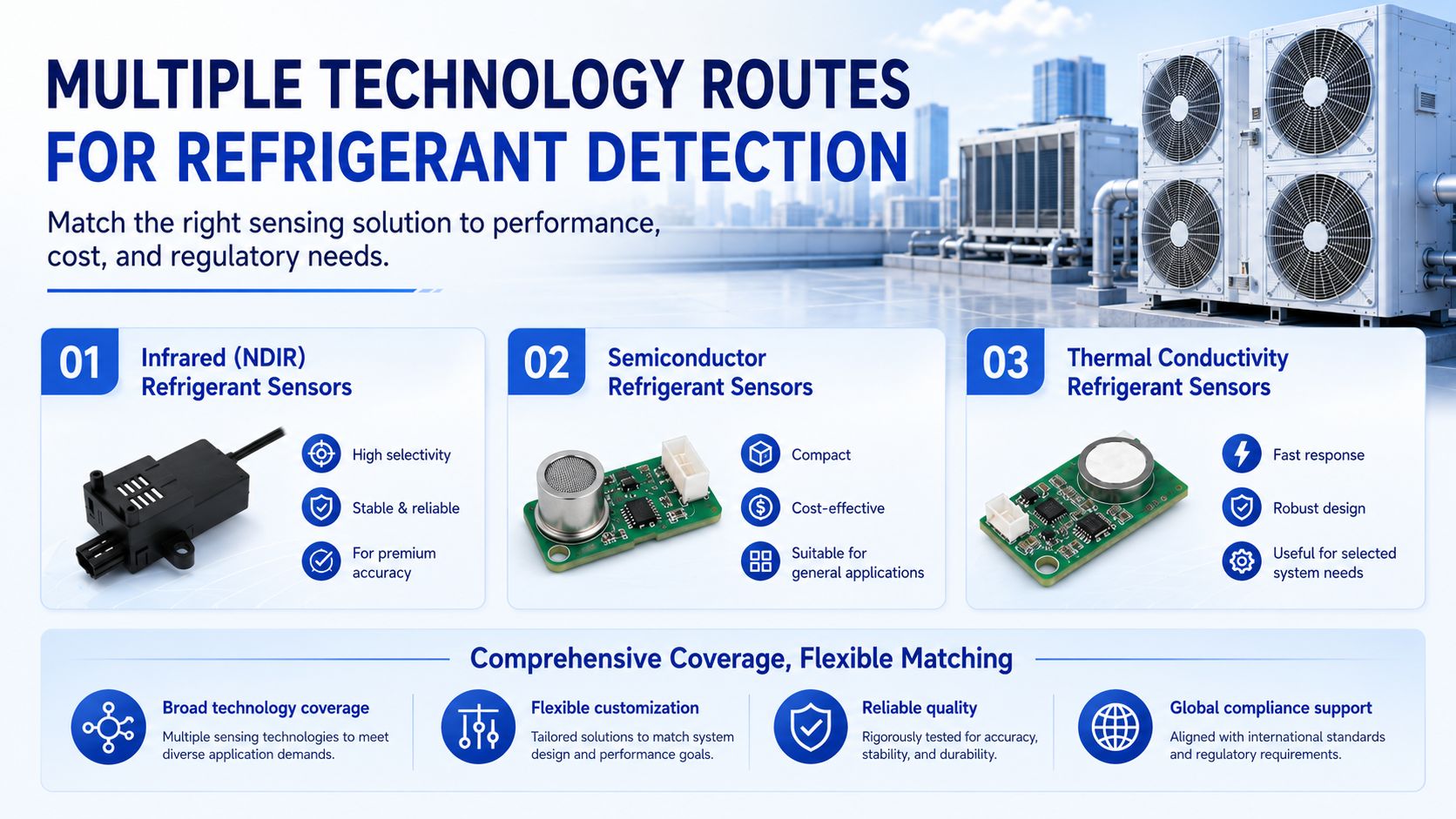
Sensor penyejuk NDIR
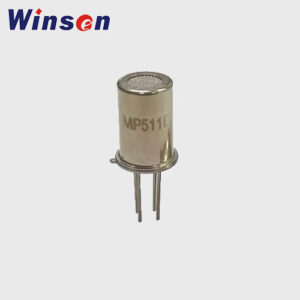
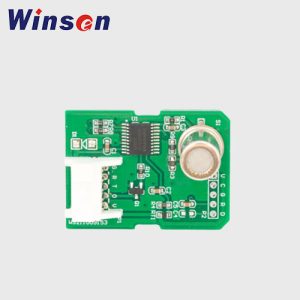
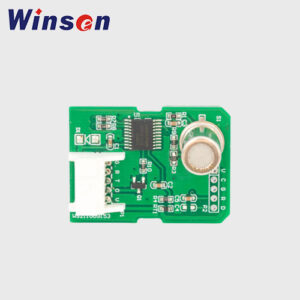
Sensor penyejuk semikonduktor
Perbandingan Teknologi
| Teknologi | Terbaik untuk | Julat | Kelebihan | Pertimbangan |
|---|---|---|---|---|
| Ndir (inframerah) | A1 ppm; A2L PPM/%LEL | PPM → %LEL | Selektiviti yang tinggi, drift rendah, tidak bergantung | Melindungi dari pemeluwapan/habuk berat (penapis/kandang) |
| MOS (Semikonduktor) | A2L/A3%LEL | 0-100% LEL | Tindak balas pantas; kuat; kos efektif | Possible cross-sensitivities; periodic calibration |
| Manik pemangkin | Hidrokarbon Umum (A3) | 0-100% LEL | Matang, digunakan secara meluas | Keperluan o₂; boleh diracun (silikon/plumbum) |
Aplikasi AC biasa
VRF/VRV indoor units & hotel rooms
Mount low (~150–300 mm above floor) near indoor units and pooling points. Pre-alarm → fresh-air purge; main alarm → fan/indoor-unit shutdown.
Chiller & machinery rooms, compressor racks
Place near compressors, oil separators, valves, and floor low spots/sumps. Use IP-rated housings and BMS interlocks.
Cold storage & refrigerated display cases
Install beneath cases and along manifolds/pipe runs. Use condensation-resistant designs; alarms can close curtains and start extract.
Pusat Data In Row/Unit CRAC
Position in return-air paths, beneath raised floors, and near coils. PPM early warning protects personnel and uptime.
Heat pumps & general HVAC equipment
For A2L/A3, use %LFL tiers (~25% pre-alarm; ~50% main) to trigger ventilation and safe shutdown.
Pilihan Teknologi
| Teknologi | Terbaik untuk | Julat | Kelebihan | Pertimbangan |
|---|---|---|---|---|
| Ndir (inframerah) | A1 ppm; A2L PPM/%LEL | PPM → %LEL | Selektiviti yang tinggi, drift rendah, tidak bergantung | Melindungi dari pemeluwapan/habuk berat (penapis/kandang) |
| MOS (Semikonduktor) | A2L/A3%LEL | 0-100% LEL | Tindak balas pantas; kuat; kos efektif | Possible cross-sensitivities; periodic calibration |
| Manik pemangkin | Hidrokarbon Umum (A3) | 0-100% LEL | Matang, digunakan secara meluas | Keperluan o₂; boleh diracun (silikon/plumbum) |
Placement & Setpoints — Good Practice
- Ketinggian pemasangan: Most refrigerants are heavier than air ⇒ mount low; confirm with on-site airflow.
- Liputan: ~ 5-10 m radius setiap sensor di bilik terbuka; Tambah unit berhampiran injap/sendi dan poket rendah.
- Penggera: A2L/A3: pre-alarm ≈25% LFL; main ≈50% LFL. A1: ppm bands (e.g., 1,000–5,000 ppm) per project spec.
- Interlocks: Pre-alarm → ventilation; Main → equipment shutdown + beacon/horn/BMS event.
Memuktamadkan ambang dan kuantiti terhadap spesifikasi projek anda dan kod tempatan.
Mengapa Pelanggan Global Memilih Kami?
Syarikat itu secara konsisten mematuhi dasar kualiti "ketukangan yang baik, inovasi saintifik, mengejar kecemerlangan, dan perkhidmatan nilai tambah." Dengan merumuskan pelan kawalan proses pengeluaran dan arahan kerja, ia telah menubuhkan sistem pengurusan proses yang standard, bertanggungjawab, dan terkawal. Di samping itu, Syarikat secara bebas telah membangunkan sistem pengurusan pengeluaran MES, yang membolehkan pengurusan komprehensif dan visual merentasi keseluruhan alur kerja.

30+ tahun pengalaman
R&D, manufacture and sales of sensors and sensing solutions.
Jaminan Kualiti Penambahbaikan Terus
Kawalan aliran proses lengkap dan tegar, ditambah dengan penambahbaikan yang ketara.


Pasaran Antarabangsa
Menyampaikan produk penderiaan ke lebih daripada 100 negara dan wilayah.
Rantaian bekalan stabil pengeluaran yang boleh dipercayai
Komponen teras tidak tertakluk kepada kekangan, peralatan lanjutan untuk pembuatan dan ujian.


R&D STRENGTH TECHNOLOGY INNOVATION
200+ patents, 180+ R&D team members, self-built labs for continous innovation.
Perkhidmatan sehenti
Perundingan profesional, penghantaran cepat, sokongan 24 jam selepas jualan.

Leading the Industry, Innovative & Controllable Technology
With robust R&D capabilities, we maintain sustained input in R&D and unwavering commitment to technological innovation. This not only ensures that we remain at the forefront of industry but also drives continuous innovation, leading the future trend of the sensing industry.
10% R&D Input
The average annual R&D input exceeds 10% of the annual revenue.
5+ R&D Layout
With Zhengzhou headquarters as the core, a nationwide R&D and innovation system is being established, encompassing cities of Shanghai, Wuhan, Shenzhen, and Taiyuan.
180+ R&D Team
There are over 180 R&D personnel, including more than 10 with doctoral degrees and over 50 with master's degrees, who have an average of more than 8 years of experience in sensor development.
20+ Jenis Eksperimen
Persekitaran yang berkaitan dengan gas, iklim, EMC, prestasi elektrik, prestasi mekanikal, dll.
10+ Makmal Lanjutan
Makmal CNAS, Makmal MEMS, Makmal UL, Makmal Bahan Nanocomposite, dll.
400+ sets Leading R&D Equipment
Penyimpanan Cube, Die Bonder, mesin litografi, mesin salutan, mesin penempatan SMT, stesen siasatan automatik, dll.
Perundingan permintaan
Soalan Lazim - Sensor Kebocoran Inframerah (NDIR)
How many sensors do I need per room?
As a rule of thumb, plan ~5–10 m radius coverage per sensor in unobstructed rooms. Add units near compressors, valves, brazed joints, and low-lying pockets where gas may pool. Complex layouts and aisle shelving typically require more sensors.
What alarm thresholds should I use?
For A2L/A3 gases, common practice is a pre-alarm around ~25% LFL to start ventilation and a main alarm around ~50% LFL to trip equipment and trigger beacons/horns. For A1 gases, use ppm bands (e.g., 1,000–5,000 ppm) per project spec. Always follow local codes and your risk assessment.
Where should sensors be mounted?
Most refrigerants are heavier than air, so mount low (≈150–300 mm above floor) near likely leak sources and pooling points. Avoid strong supply air that could bypass the sensor. For ducts/returns, use probe or in-duct models with splash/dust guards.
How often should I calibrate and bump-test?
Typical calibration intervals are 12–24 months, with periodic bump tests (e.g., quarterly/bi-annually). Dusty, humid, or high-traffic sites may require more frequent checks and filter maintenance.
What can cause cross-sensitivity or false alarms?
Strong solvents and aerosols (e.g., silicone sprays, alcohol cleaners, paint fumes) can affect semiconductor elements; heavy condensation or dust can obstruct optics. Use IP-rated housings, splash/dust guards, and good placement/maintenance to minimize effects.
How do I integrate with BMS/PLC?
Sensors provide 4–20 mA (2/3-wire), RS-485 Modbus RTU (configurable address/baud), and 1–2 relays (N.O./N.C.). Typical scaling is 4 mA = 0 and 20 mA = full-scale. Map pre-alarm to ventilation and main alarm to shutdown/interlocks per your control philosophy.