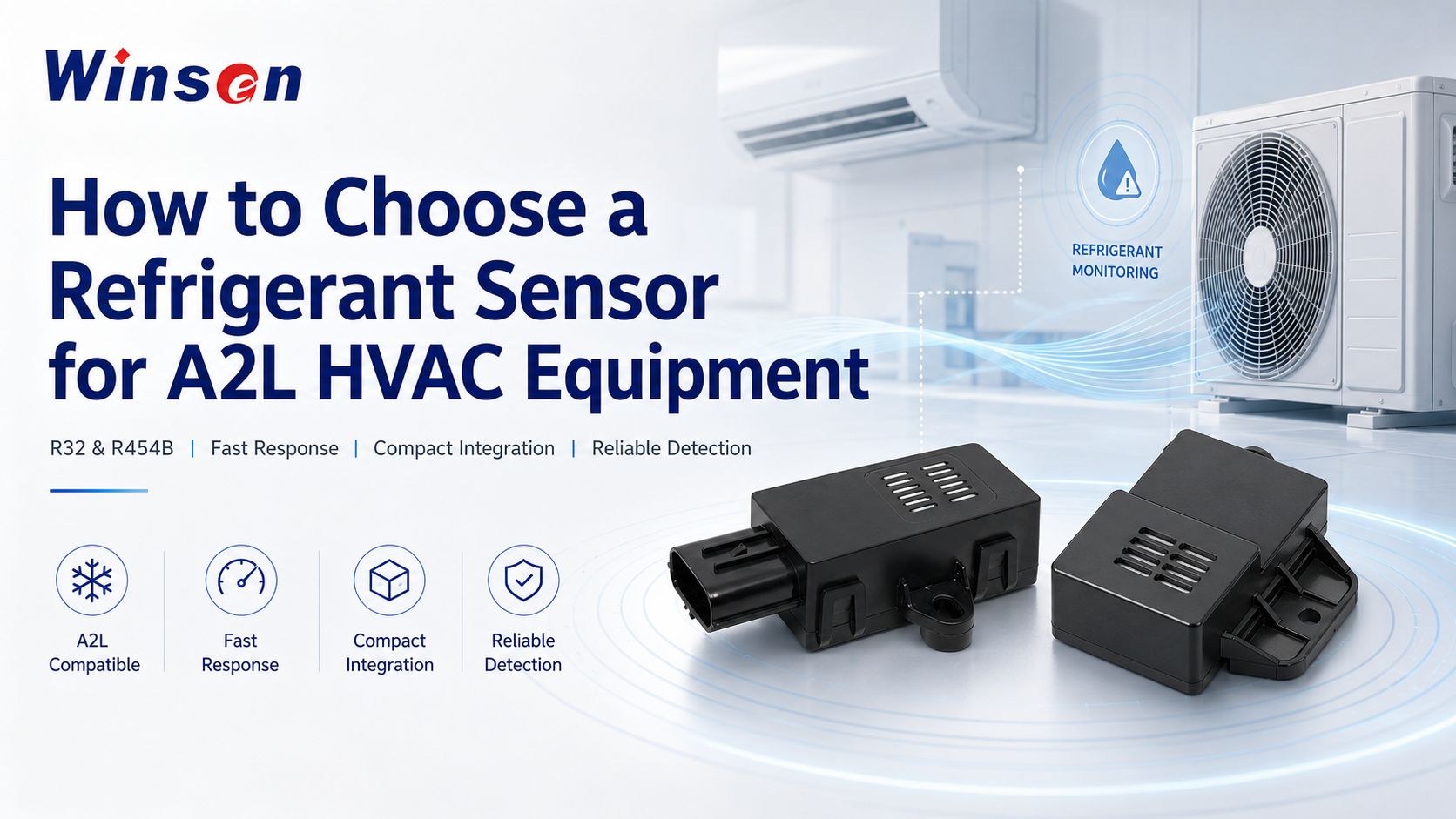
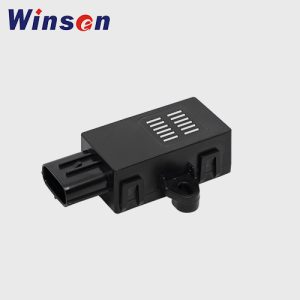
AC Refrigerant Sensor (Leak Detector) — Split/VRF • Central AC • Heat Pump
Winsen® electronic AC leak sensors provide continuous, fixed monitoring for penyejuk penghawa dingin across residential and commercial buildings. We support A1 (R134a, R410A, R404A), A2L (R32, R454B, R1234yf/ze) dan A3 (R290, R600a) gas. pilih Adalah n untuk amaran awal PPM atau MOS/IR-LEL untuk %LEL keselamatan interlock—sedia untuk BMS/PLC melalui 4-20 Ma, RS-485 Modbus, dan Output relay.
- Liputan A1 / A2L / A3
- NDIR ppm & MOS %LEL
- OEM/ODM • Pesanan pukal
- Masa memimpin pantas


Pick by Refrigerant Class & Measurement
A1 (R410A / R134a) — NDIR PPM
- Rentang biasa: 0-1,000 / 0-5,000 ppm
- Output: 4-20 Ma, RS-485 Modbus, 1-2 Relay
- T90 ≤ 30 s • Drift Rendah, Hayat Panjang
A2L (R32 / R454B / R1234yf/ze) — NDIR PPM / %LEL
- Amaran awal PPM dan/atau 0–100% LFL/LEL
- 4-20 MA / RS-485 / Relay
- VRF/VRV rooms & hotel guestrooms
A3 (R290 / R600a) — %LEL Keselamatan
- Range: 0–100% LEL (IR-LEL or MOS)
- Relays for ventilation & shutdown interlocks
- IP options for plant/mechanical rooms
What is an AC Refrigerant Sensor?
An AC refrigerant sensor is a pengesan elektronik tetap installed near AC equipment to measure refrigerant concentration and automatically trigger penggera dan saling mengunci (ventilation, unit shutdown). It complements handheld sniffers used by technicians for pinpoint leak search.
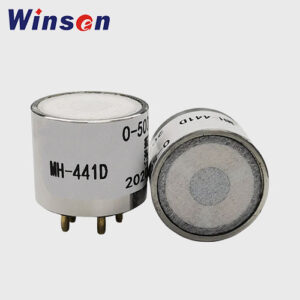
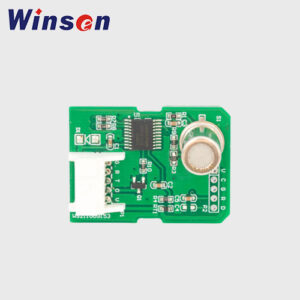
Sensor penyejuk NDIR
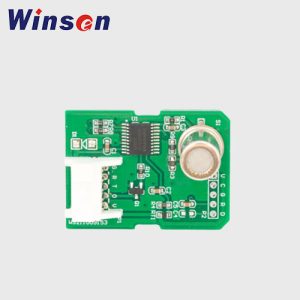
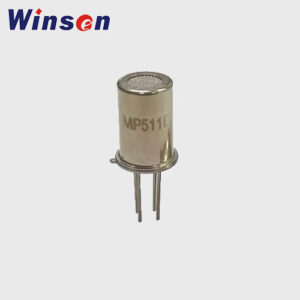
Sensor penyejuk semikonduktor
Pilihan Teknologi
| Teknologi | Terbaik untuk | Julat | Kelebihan | Pertimbangan |
|---|---|---|---|---|
| Ndir (inframerah) | A1 ppm; A2L PPM/%LEL | PPM → %LEL | High selectivity & stability; not O₂-dependent; long life | Protect optics from condensation/dust (filters/enclosures) |
| MOS (Semikonduktor) | A2L/A3%LEL | 0-100% LEL | Tindak balas pantas; kuat; kos efektif | Possible cross-sensitivities; periodic calibration advised |
| Manik pemangkin | Hidrokarbon Umum (A3) | 0-100% LEL | Mature technology | Keperluan o₂; boleh diracuni oleh silikon/plumbum |
Aplikasi biasa

Split/VRF indoor units & hotel rooms
Lekapkan rendah (~150–300 mm di atas lantai) berhampiran unit dalaman dan titik pengumpulan. Pra-penggera → pembersihan udara segar; penggera utama → penutupan kipas/unit dalaman.

Central AC (AHU/MAU) & mechanical rooms
Place near coils, TXVs, service valves, and floor low spots/sumps; use IP-rated housings and BMS interlocks.

Line sets & evaporator/condenser sections
Monitor around brazed joints, manifolds; avoid strong supply streams that could bypass the sensor.

Heat pumps
Untuk sistem A2L, gunakan %LFL peringkat (≈25% pra-penggera; ≈50% utama) untuk mencetuskan pengudaraan dan penutupan selamat.
Spesifikasi Teras
| Parameter | Nilai / pilihan |
|---|---|
| Pengukuran | NDIR ppm and/or %LFL (MOS/IR-LEL) |
| Output | 4-20 Ma (2/3-wire), RS-485 Modbus RTU, 1-2 relay (n.o./n.c.) |
| Masa tindak balas (T90) | ≤ 20-30 s biasa |
| Bekalan | 12-24 VDC (yang lain atas permintaan) |
| Keadaan operasi | -20 ...+50 ° C; 15-95% RH Non-condensing (bergantung kepada model) |
| Kandang | Dinding, panel, saluran; perumahan sehingga IP65 |
| Pematuhan | CE & RoHS; designed for BMS/PLC integration |
Placement & Setpoints — Good Practice
- Ketinggian pemasangan: Most AC refrigerants are heavier than air ⇒ mount low; verify with site airflow.
- Liputan: ~ 5-10 m radius setiap sensor di bilik terbuka; Tambah unit berhampiran injap/sendi dan poket rendah.
- Penggera: A2L/A3: pra-penggera ≈25% LFL; utama ≈50% LFL. A1: jalur ppm (mis., 1,000–5,000 ppm) bagi setiap spesifikasi projek.
- Interlocks: Pre-alarm → ventilation; Main → equipment shutdown + beacons/horns/BMS event.
Memuktamadkan ambang dan kuantiti terhadap spesifikasi projek anda dan kod tempatan.
Mengapa Pelanggan Global Memilih Kami?
Syarikat itu secara konsisten mematuhi dasar kualiti "ketukangan yang baik, inovasi saintifik, mengejar kecemerlangan, dan perkhidmatan nilai tambah." Dengan merumuskan pelan kawalan proses pengeluaran dan arahan kerja, ia telah menubuhkan sistem pengurusan proses yang standard, bertanggungjawab, dan terkawal. Di samping itu, Syarikat secara bebas telah membangunkan sistem pengurusan pengeluaran MES, yang membolehkan pengurusan komprehensif dan visual merentasi keseluruhan alur kerja.

30+ tahun pengalaman
R&D, manufacture and sales of sensors and sensing solutions.
Jaminan Kualiti Penambahbaikan Terus
Kawalan aliran proses lengkap dan tegar, ditambah dengan penambahbaikan yang ketara.


Pasaran Antarabangsa
Menyampaikan produk penderiaan ke lebih daripada 100 negara dan wilayah.
Rantaian bekalan stabil pengeluaran yang boleh dipercayai
Komponen teras tidak tertakluk kepada kekangan, peralatan lanjutan untuk pembuatan dan ujian.


R&D STRENGTH TECHNOLOGY INNOVATION
200+ patents, 180+ R&D team members, self-built labs for continous innovation.
Perkhidmatan sehenti
Perundingan profesional, penghantaran cepat, sokongan 24 jam selepas jualan.

Leading the Industry, Innovative & Controllable Technology
With robust R&D capabilities, we maintain sustained input in R&D and unwavering commitment to technological innovation. This not only ensures that we remain at the forefront of industry but also drives continuous innovation, leading the future trend of the sensing industry.

10% R&D Input
The average annual R&D input exceeds 10% of the annual revenue.
5+ R&D Layout
With Zhengzhou headquarters as the core, a nationwide R&D and innovation system is being established, encompassing cities of Shanghai, Wuhan, Shenzhen, and Taiyuan.
180+ R&D Team
There are over 180 R&D personnel, including more than 10 with doctoral degrees and over 50 with master's degrees, who have an average of more than 8 years of experience in sensor development.
20+ Jenis Eksperimen
Persekitaran yang berkaitan dengan gas, iklim, EMC, prestasi elektrik, prestasi mekanikal, dll.
10+ Makmal Lanjutan
Makmal CNAS, Makmal MEMS, Makmal UL, Makmal Bahan Nanocomposite, dll.
400+ sets Leading R&D Equipment
Penyimpanan Cube, Die Bonder, mesin litografi, mesin salutan, mesin penempatan SMT, stesen siasatan automatik, dll.
Perundingan permintaan
FAQs — Freon Gas Sensors
How many sensors are needed in a guestroom or office?
Plan ~5–10 m radius coverage per sensor in open rooms. Add units near indoor units, valves, joints, and floor-level pockets where gas can accumulate. Irregular layouts typically need more sensors.
Should I choose ppm or %LEL measurement?
Use ppm (NDIR) for early warning and comfort/process monitoring; use %LEL (MOS or IR-LEL) to drive safety interlocks for A2L/A3 systems. Many projects deploy both.
Where exactly should sensors be mounted?
Most AC refrigerants are denser than air; mount low (≈150–300 mm AFF) near likely leak sources and pooling points. Avoid strong supply air. Duct/return versions can monitor airflow.
How often do I need calibration and bump tests?
Typical calibration is every 12–24 months with periodic bump tests (quarterly/biannual). Dusty/humid or aerosol-rich sites may need more frequent checks and filter maintenance.
What causes false alarms or cross-sensitivity?
Solvents/aerosols (silicone sprays, alcohol cleaners, paints) can affect semiconductor elements; heavy condensation/dust can obstruct optics. Use IP-rated housings, splash/dust guards, and good placement.
Can Winsen customize for OEM/volume rollouts?
Yes—ranges, firmware/Modbus mapping, connectors/harnesses, housings (IP), labels/branding, and packaging are customizable for volume deployments.