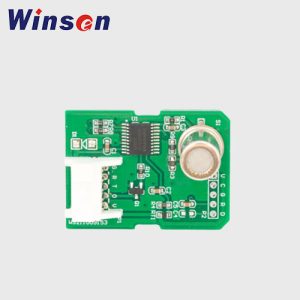
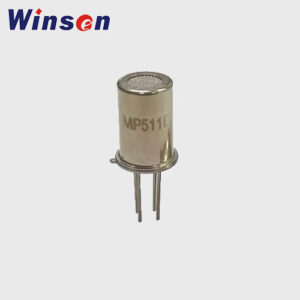
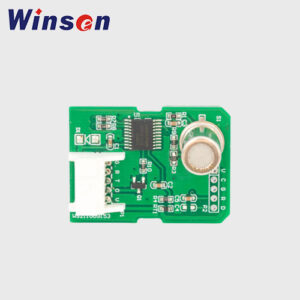
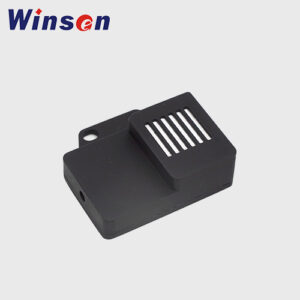
Ahogy a klíma-, hűtés- és klímaszabályozási rendszerek iránti globális kereslet nő, úgy nő a biztonság, a hatékonyság és a környezetvédelem iránti igény is. Az egyik kulcsfontosságú összetevő, amely lehetővé teszi ezeket a célokat, az hűtőközeg érzékelő. A hűtőközeg-érzékelőket kifejezetten a hűtőközeggázok jelenlétének érzékelésére és monitorozására tervezték különféle környezetekben. Legyen szó hűtőhelyiségről, adatközpontról vagy kereskedelmi HVAC rendszerről, ezek az érzékelők létfontosságú szerepet játszanak a szivárgásészlelésben, a rendszer hatékonyságában és a személyzet biztonságában.
Ez a cikk alapos áttekintést nyújt a hűtőközeg-érzékelőkről, beleértve azok típusait, működési elveit, alkalmazásait, a biztonsági előírásoknak való megfelelést, a környezetvédelmi vonatkozásokat és a jövőbeli technológiai trendeket.
2. Mi az a hűtőközeg-érzékelő?
A hűtőközeg érzékelő egy gázérzékelő készülék, amelyet a környezetben lévő hűtőközeggázok jelenlétének azonosítására használnak. Ezek a gázok, mint pl R-134A, R-32, R-410A, R-407C, R-404A, R-744 (CO₂), és R-1234YF, széles körben használják a hűtő- és HVAC (fűtés, szellőztetés és légkondicionálás) rendszerekben.
A hűtőközeg-érzékelők:
Korai figyelmeztetés gázszivárgás miatt
Megelőzés egészségügyi veszélyek
Csökkentés környezeti kibocsátásban
A rendszer hatékonysága a hűtőközeg veszteség minimalizálásával
3. Miért fontos a hűtőközeg észlelése?
3.1 Biztonság
Sok hűtőközeg van fullasztók, vagyis kiszoríthatják az oxigént, és fulladásveszélyt jelenthetnek zárt térben. Néhány hűtőközeg is gyúlékony (mint az R-32 vagy R-1234yf), míg mások magas hőmérsékleten mérgező melléktermékekké bomlhatnak.
3.2 Környezetvédelem
Bizonyos hűtőközegek magas Globális felmelegedési potenciál (GWP). A szivárgások nemcsak a rendszer hatékonyságát veszélyeztetik, hanem a környezetet is károsítják.
Ezek számos alkalmazásban megkövetelik a hűtőközeg-szivárgás észlelését a biztonság és a környezetvédelmi felelősség biztosítása érdekében.
4. A hűtőközeg-érzékelők működési elvei
A hűtőközeg-érzékelők különféle érzékelési technológiákon alapulnak. Mindegyiknek megvannak a maga erősségei az alkalmazástól, a célgáztól, az érzékenységtől és a környezeti feltételektől függően.
4.1 Félvezető (fém-oxid) érzékelők
Működési elv: Reagáljon a hűtőközeggázra a fémoxid felület vezetőképességének megváltoztatásával.
Működési elv: Használjon kémiai reakciót a hűtőgáz és az elektróda anyaga között.
Profik: Kiválóan alkalmas alacsony koncentrációk kimutatására
Hátrányok: Rövidebb élettartam, bizonyos hűtőközegekre jellemző
4.4 Fotoakusztikus érzékelők
Működési elv: Méri a hanghullámokat, amelyek akkor keletkeznek, amikor a gáz elnyeli a modulált infravörös fényt.
Profik: Nagy érzékenység, hosszú élettartam
Hátrányok: Viszonylag bonyolult és költséges
5. Az észlelt hűtőközegek típusai
Hűtőközeg
Kémiai név
Írja be
Megjegyzések
R-134A
1,1,2-tetrafuor-etán
HFC
Széles körben használt, közepes GWP
R-410A
Mixture of R-32 & R-125
HFC
Gyakori az osztott váltakozó áramúkban
R-32
difluor-metán
HFC
Gyengén gyúlékony, alacsonyabb GWP
R-1234YF
2,3,3,3-tetrafluorpropén
Hfo
Nagyon alacsony GWP
R-404A
Keverék
HFC
Magas GWP, fokozatosan megszűnik
R-407C
Keverék
HFC
Kereskedelmi AC-ben használják
R-744
Társ
Természetes
Nem gyúlékony, alacsony GWP
R-717
Ammónia
Természetes
Mérgező, nagy hatékonyságú
6. A hűtőközeg-érzékelők alkalmazásai
6.1 Kereskedelmi légkondicionálás
Szállodákban, bevásárlóközpontokban, irodaházakban és repülőtereken a hűtőközeg-szivárgás észlelése elengedhetetlen a rendszer meghibásodásának megelőzéséhez és az ott tartózkodók védelméhez.
6.2 Hűtőszekrények és szupermarketek
A hűtött vitrinek, hűtőkamrák és fagyasztók szivárgásérzékelést igényelnek a termék integritásának megőrzése és a hűtőközeg-veszteség minimalizálása érdekében.
6.3 Adatközpontok
A szerverszobák nagymértékben támaszkodnak a HVAC-rendszerekre. A szivárgás a hőmérséklet emelkedéséhez és a berendezés meghibásodásához vezethet.
6.4 Járművek HVAC-rendszerei
Az R-1234yf-et vagy R-744-et használó elektromos és hibrid járművek utasbiztonsági felügyeletet igényelnek.
6.5 Ipari hűtés
Az ammóniát vagy CO₂-t használó nagyméretű rendszerekben fejlett érzékelőkre van szükség ahhoz, hogy megfeleljenek a szigorú biztonsági követelményeknek.
6.6 Hűtő- és kazánhelyiségek
Kisebb szivárgások a zárt mechanikai helyiségekben veszélyes koncentrációra halmozódhatnak fel. Az érzékelőket gyakran szellőztetéssel és riasztóberendezéssel integrálják.
7. A kiváló minőségű hűtőközeg-érzékelők főbb jellemzői
Magas érzékenység: ppm szintű hűtőközeg-koncentráció kimutatásának képessége
Gyors reagálás és helyreállítási idő
Hosszú élettartam (általában 5-10 év)
Stabil kalibráció
Nedvesség- és hőmérséklet-ingadozásokkal szembeni ellenállás
Öndiagnosztika és hibajelentés
Digitális kommunikációs protokollok (Modbus, BACnet stb.)
Megfelelés az olyan szabványoknak, mint a CE, UL és RoHS
8. Telepítési útmutató
A pontos észlelés érdekében:
Szerelje be az érzékelőket alacsonyan a földig a levegőnél nehezebb hűtőközegekhez (pl. R-134a).
Helyezze el őket kompresszorok, szelepek vagy csatlakozások közelében-gyakori szivárgási helyek.
Biztosítsa megfelelő légáramlás és kerülje a közvetlen érintkezést vízzel vagy olajjal.
Rendszeresen kalibrálja és kövesse gyártói ajánlások-
A modern hűtőközeg-érzékelők integrálhatók a BMS-be, hogy:
Folyamatosan figyelje és naplózza a gázszinteket
Kioldó szellőztető rendszerek
Elküld riasztások vagy SMS/e-mail riasztások
Aktiválja rendszerleállítási protokollok
10. Környezeti és gazdasági előnyök
Szivárgáscsökkentés: Ezreket takarít meg a hűtőközeg utántöltési költségeken
Energiahatékonyság: Megakadályozza a rendszer alulteljesítményét az alacsony hűtőközeg miatt
Fenntarthatóság: Csökkenti az üvegházhatású gázok kibocsátását
A berendezés meghosszabbított élettartama: Védi a kompresszorokat és az alkatrészeket
11. A hűtőközeg-észlelés jövőbeli trendjei
11.1 AI és prediktív karbantartás
Az AI-val kombinált szenzoradatok előre jelezhetik a szivárgásokat, mielőtt azok kritikussá válnának.
11.2 Miniatürizált intelligens érzékelők
A vezeték nélküli kapcsolattal és valós idejű felhőfigyeléssel rendelkező, IoT-csatlakozású érzékelők egyre terjednek.
11.3 Alkalmazkodás új hűtőközegekhez
Ahogy az alacsony GWP-vel rendelkező hűtőközegek, mint például az R-454B vagy az R-1234ze általánossá válnak, új érzékelőket fejlesztenek ezek támogatására.
12. Összegzés
Kategória
Kulcs elvitelek
Cél
A biztonság és a hatékonyság érdekében észlelje és figyelje a hűtőközeg szivárgását
A hűtőközeg-érzékelők a mai hűtési és légkondicionáló infrastruktúra alapvető alkotóelemei. Növelik a biztonságot, biztosítják a megfelelést, csökkentik az energiafogyasztást, és segítenek mérsékelni a környezeti károkat. Ahogy a hűtőközeg típusok fejlődnek és a szabályozások szigorodnak, a fejlett érzékelő technológiák szerepe csak nőni fog.
A megfelelő érzékelő kiválasztása a cél hűtőközegtől, a telepítési környezettől, a szükséges érzékenységtől és a rendszerintegrációs igényektől függ. A minőségi hűtőközeg-érzékelésbe való befektetés nemcsak életeket és tulajdont véd, hanem a fenntartható működést is elősegíti a felmelegedő világban.