AC Refrigerant Sensor (Leak Detector) — Split/VRF • Central AC • Heat Pump
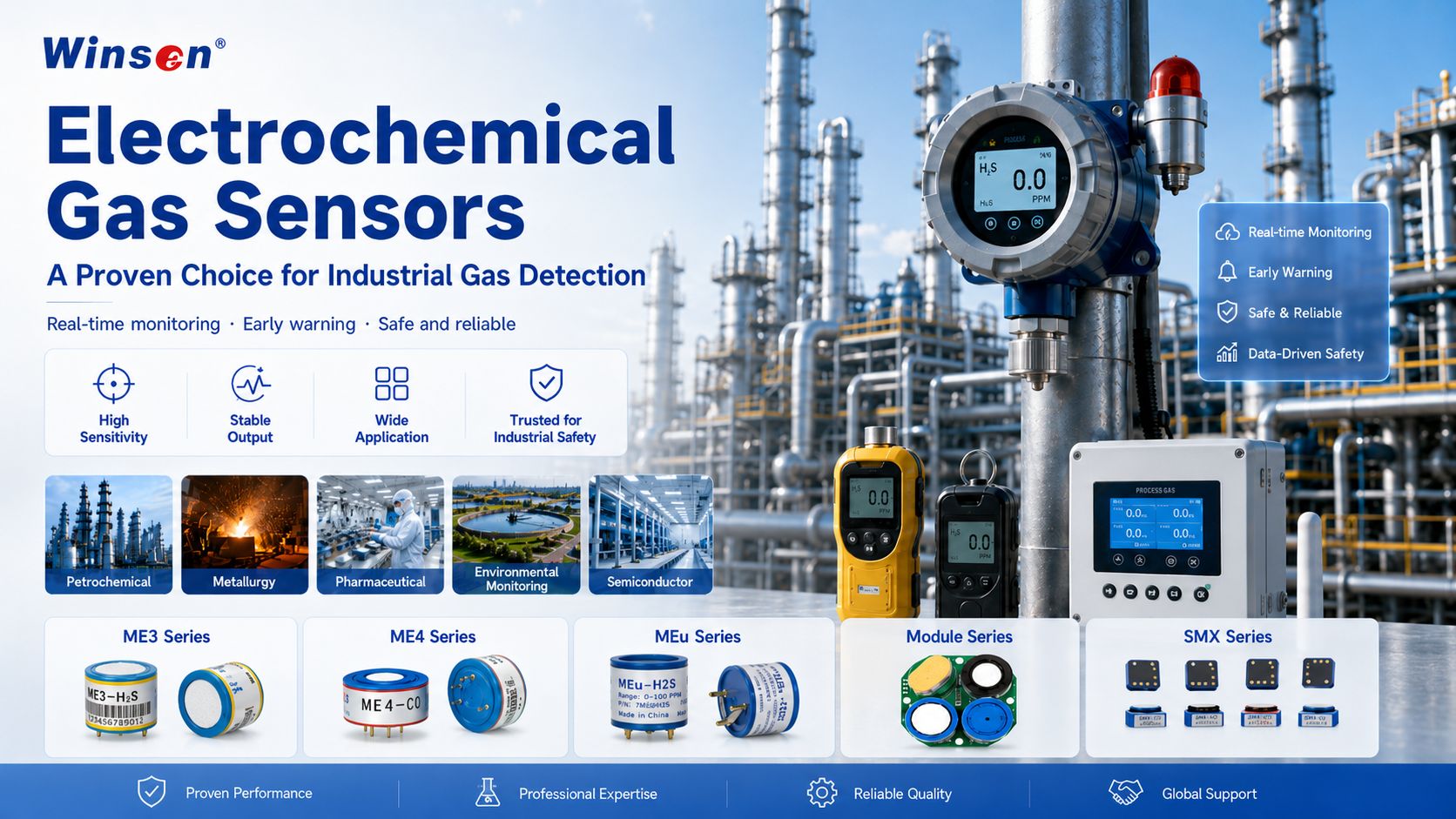
Winsen® electronic AC leak sensors provide continuous, fixed monitoring for air-conditioning refrigerants across residential and commercial buildings. We support A1 (R134a, R410A, R404A), A2L (R32, R454B, R1234yf/ze) and A3 (R290, R600a) gases. Choose Van n for ppm early warning or MOS/IR-LEL for %LEL safety interlocks—ready for BMS/PLC via 4-20 mA, RS-485 Modbus, és relé kimenetek-
- A1 / A2L / A3 lefedettség
- NDIR ppm & MOS %LEL
- OEM/ODM • Tömeges megrendelések
- Gyors átfutási idő


Pick by Refrigerant Class & Measurement
A1 (R410A / R134a) — NDIR PPM
- Tipikus tartományok: 0–1000 / 0–5000 ppm
- Kimenetek: 4-20 mA, RS-485 Modbus, 1-2 relé
- T90 ≤ 30 s • Low drift, long life
A2L (R32 / R454B / R1234yf/ze) — NDIR PPM / %LEL
- PPM early warning and/or 0–100% LFL/LEL
- 4–20 mA / RS-485 / relék
- VRF/VRV rooms & hotel guestrooms
A3 (R290 / R600a) — %LEL Safety
- Range: 0–100% LEL (IR-LEL or MOS)
- Relays for ventilation & shutdown interlocks
- IP options for plant/mechanical rooms
What is an AC Refrigerant Sensor?
An AC refrigerant sensor is a fixed, electronic detector installed near AC equipment to measure refrigerant concentration and automatically trigger alarms és interlocks (ventilation, unit shutdown). It complements handheld sniffers used by technicians for pinpoint leak search.
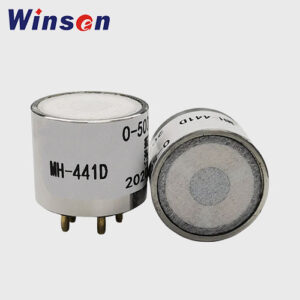
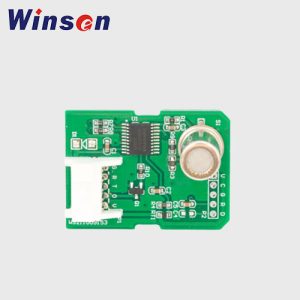
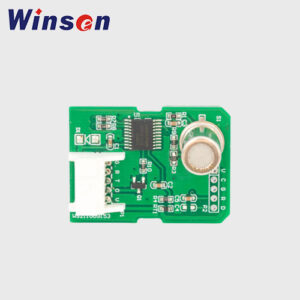
NDIR hűtőközeg érzékelő
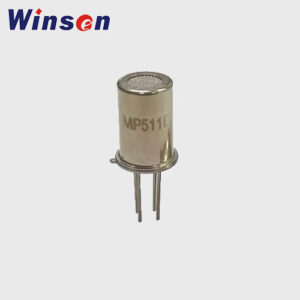
Félvezető hűtőközeg érzékelő
Technology Options
| Technológia | Legjobb For | Hatótávolság | Előnyök | Megfontolások |
|---|---|---|---|---|
| NDIR (infravörös) | A1 ppm; A2L ppm/%LEL | ppm → %LEL | High selectivity & stability; not O₂-dependent; long life | Protect optics from condensation/dust (filters/enclosures) |
| MOS (félvezető) | A2L/A3%LEL | 0–100% LEL | Gyors reagálás; erős; költséghatékony | Possible cross-sensitivities; periodic calibration advised |
| Katalitikus gyöngy | Általános szénhidrogének (A3) | 0–100% LEL | Mature technology | O₂-t igényel; szilikon/ólom mérgezhető |
Tipikus alkalmazások

Split/VRF indoor units & hotel rooms
Mount low (~150–300 mm above floor) near indoor units and pooling points. Pre-alarm → fresh-air purge; main alarm → fan/indoor-unit shutdown.

Central AC (AHU/MAU) & mechanical rooms
Place near coils, TXVs, service valves, and floor low spots/sumps; use IP-rated housings and BMS interlocks.

Line sets & evaporator/condenser sections
Monitor around brazed joints, manifolds; avoid strong supply streams that could bypass the sensor.

Heat pumps
For A2L systems, use %LFL tiers (≈25% pre-alarm; ≈50% main) to trigger ventilation and safe shutdown.
Alapvető specifikációk
| Paraméter | Érték / opció |
|---|---|
| Mérés | NDIR ppm and/or %LFL (MOS/IR-LEL) |
| Kimenetek | 4–20 mA (2/3 vezetékes), RS-485 Modbus RTU, 1–2 relé (N.O./N.C.) |
| Válaszidő (T90) | ≤ 20-30 s jellemző |
| Kínálat | 12-24 VDC (egyéb kérésre) |
| Üzemeltetési feltételek | −20…+50 °C; 15–95% relatív páratartalom, nem lecsapódó (modellfüggő) |
| Tokozások | Fal, panel, csatorna; házak IP65-ig |
| Megfelelés | CE & RoHS; designed for BMS/PLC integration |
Placement & Setpoints — Good Practice
- Szerelési magasság: Most AC refrigerants are heavier than air ⇒ mount low; verify with site airflow.
- Lefedettség: ~5-10 m sugár érzékelőnként nyitott helyiségekben; adjon hozzá egységeket a szelepek/csuklók és az alacsony zsebek közelében.
- Riasztások: A2L/A3: előriasztás ≈25% LFL; fő ≈50% LFL. A1: ppm sávok (pl. 1000–5000 ppm) projektspecifikációnként.
- Reteszelők: Pre-alarm → ventilation; Main → equipment shutdown + beacons/horns/BMS event.
Véglegesítse a küszöbértékeket és mennyiségeket a projektspecifikáció és a helyi kódok alapján.
Miért választanak minket a globális ügyfelek?
A vállalat következetesen ragaszkodik a „Kiváló kézművesség, tudományos innováció, a kiválóságra való törekvés és az értéknövelt szolgáltatás” minőségpolitikájához. A gyártási folyamatirányítási tervek és munkautasítások megfogalmazásával egységesített, elszámoltatható és szabályozott folyamatirányítási rendszert alakított ki. Ezenkívül a vállalat önállóan kifejlesztett egy MES termelésirányítási rendszert, amely átfogó és vizuális menedzsmentet tesz lehetővé a teljes munkafolyamatban.

30+ ÉV TAPASZTALAT
R&D, manufacture and sales of sensors and sensing solutions.
MINŐSÉGGARANCIA FOLYAMATOS FEJLESZTÉS
Teljes és merev folyamatszabályozás, jelentős fejlesztésekkel párosulva.


NEMZETKÖZI PIAC
Szállítson érzékelő termékeket több mint 100 országba és régióba.
STABIL ELLÁTÁSI LÁNC MEGBÍZHATÓ TERMELÉS
Alapelemek, amelyek nem vonatkoznak megkötésekre, fejlett gyártási és tesztelési berendezések.


R&D STRENGTH TECHNOLOGY INNOVATION
200+ patents, 180+ R&D team members, self-built labs for continous innovation.
Egyablakos szolgáltatás
Professzionális konzultáció, gyors szállítás, 24 órás értékesítés utáni támogatás.

Leading the Industry, Innovative & Controllable Technology
With robust R&D capabilities, we maintain sustained input in R&D and unwavering commitment to technological innovation. This not only ensures that we remain at the forefront of industry but also drives continuous innovation, leading the future trend of the sensing industry.

10% R&D Input
The average annual R&D input exceeds 10% of the annual revenue.
5+ R&D Layout
With Zhengzhou headquarters as the core, a nationwide R&D and innovation system is being established, encompassing cities of Shanghai, Wuhan, Shenzhen, and Taiyuan.
180+ R&D Team
There are over 180 R&D personnel, including more than 10 with doctoral degrees and over 50 with master's degrees, who have an average of more than 8 years of experience in sensor development.
20+ kísérlettípus
Gázzal kapcsolatos, éghajlati környezet, EMC, elektromos teljesítmény, mechanikai teljesítmény stb.
10+ Advanced Laboratories
CNAS Laboratory, MEMS Laboratory, UL Laboratory, Nanocomposite Materials Laboratory stb.
400+ sets Leading R&D Equipment
Kockatároló, Die Bonder, Litográfiai gép, Bevonógép, SMT Elhelyezőgép, Automatikus szondaállomás stb.
FAQs — Freon Gas Sensors
How many sensors are needed in a guestroom or office?
Plan ~5–10 m radius coverage per sensor in open rooms. Add units near indoor units, valves, joints, and floor-level pockets where gas can accumulate. Irregular layouts typically need more sensors.
Should I choose ppm or %LEL measurement?
Use ppm (NDIR) for early warning and comfort/process monitoring; use %LEL (MOS or IR-LEL) to drive safety interlocks for A2L/A3 systems. Many projects deploy both.
Where exactly should sensors be mounted?
Most AC refrigerants are denser than air; mount low (≈150–300 mm AFF) near likely leak sources and pooling points. Avoid strong supply air. Duct/return versions can monitor airflow.
How often do I need calibration and bump tests?
Typical calibration is every 12–24 months with periodic bump tests (quarterly/biannual). Dusty/humid or aerosol-rich sites may need more frequent checks and filter maintenance.
What causes false alarms or cross-sensitivity?
Solvents/aerosols (silicone sprays, alcohol cleaners, paints) can affect semiconductor elements; heavy condensation/dust can obstruct optics. Use IP-rated housings, splash/dust guards, and good placement.
Can Winsen customize for OEM/volume rollouts?
Yes—ranges, firmware/Modbus mapping, connectors/harnesses, housings (IP), labels/branding, and packaging are customizable for volume deployments.