Freon, a term synonymous with refrigeration and air conditioning, has played a pivotal role in modern cooling technologies since its inception in the early 20th century. This article delves into the science behind Freon, its operational principles, environmental impacts, and evolving alternatives. With over 8,000 characters, this comprehensive analysis aims to unravel the complexities of Freon while maintaining accessibility for readers across technical and non-technical backgrounds.

What Is Freon?

Freon ay isang tatak na pangalan na nilikha sa pamamagitan ng DuPont (now Chemours) to describe a family of synthetic chemical compounds known as ​chlorofluorocarbons (CFCs), ​hydrochlorofluorocarbons (HCFCs), and ​hydrofluorocarbons (HFCs). These substances are classified as ​Mga Refrigerant—materials critical for absorbing and releasing heat in refrigeration cycles. Despite being a trademarked product, “Freon” has become a generic term for similar refrigerants.

Komposisyon ng kemikal

Freons are halogenated hydrocarbons containing carbon, hydrogen, chlorine, and fluorine atoms. Their molecular structure varies depending on type:

  • Mga CFC (e.g., R-12): Contain chlorine, fluorine, and carbon (no hydrogen). Example: Dichlorodifluoromethane (CCl₂F₂).
  • Mga HCFC (e.g., R-22): Include hydrogen, reducing ozone depletion potential compared to CFCs.
  • Mga HFC (e.g., R-134a): Remove chlorine entirely but contribute to greenhouse gas effects.

Mga aplikasyon

Freons are used in:

  • Domestic at komersyal na air conditioner
  • Email Address *
  • Mga Sistema ng Paglamig ng Sasakyan
  • Pang-industriya chillers at malamig na imbakan pasilidad

Their widespread adoption stems from desirable thermodynamic properties, such as high latent heat capacity and stability under pressure.

The Science of Refrigeration: How Freon Works

The refrigeration cycle, powered by Freon, operates on the ​siklo ng compression ng singaw, which involves four key components: compressor, condenser, expansion valve, and evaporator. Below is a step-by-step breakdown:

Phase 1: Compression

Freon enters the compressor as a low-pressure gas. The compressor pressurizes it into a high-temperature, high-pressure gas. This process increases both kinetic energy and temperature, preparing the Freon for heat dissipation.

Pangunahing Equation:

(Boyle’s Law governs pressure-volume relationships during compression.)

Phase 2: Condensation

The hot, pressurized Freon flows to the condenser coil (located outdoors). Here, it releases latent heat to the external environment via forced convection (fans or airflow). As it cools, Freon condenses into a high-pressure liquid.

Paglilipat ng Enerhiya:
Heat loss occurs because the surrounding air temperature is lower than the refrigerant’s saturation temperature.

Phase 3: Expansion

The high-pressure liquid passes through an expansion valve (or capillary tube), where it undergoes rapid decompression. This sudden drop in pressure causes the Freon to cool significantly and partially evaporate, forming a cold, low-pressure liquid-gas mixture.

Prinsipyo ng Termodinamika:
Joule-Thomson expansion reduces enthalpy, leading to temperature decrease.

Phase 4: Evaporation

The chilled Freon enters the evaporator coil (indoors). Absorbing heat from the surrounding air (via evaporation), it fully transitions into a low-pressure gas. This absorption of heat cools the indoor air blown over the coil by fans. The cycle restarts as the gaseous Freon returns to the compressor.

Kritikal na Formula:

Where = heat absorbed, = mass flow rate, and = latent heat of vaporization.

Mga Alalahanin sa Kapaligiran at Mga Pagbabago sa Regulasyon

While Freon revolutionized cooling, its environmental drawbacks spurred global action:

Pagkaubos ng Ozone Layer

Chlorine in CFCs and HCFCs catalyzes ozone (O₃) breakdown in the stratosphere, creating the “ozone hole.” The 1987 ​Montreal Protocol phased out CFCs (e.g., R-12) and HCFCs (e.g., R-22), mandating replacements like HFCs.

Global Warming Potential (GWP)

Although HFCs lack chlorine, they exhibit high GWPs (e.g., R-134a: GWP = 1,430 times CO₂). The 2016 ​Susog sa Kigali to the Montreal Protocol targets HFC phase-downs, encouraging adoption of eco-friendly alternatives like hydrofluoroolefins (HFOs).

Mga Modernong Alternatibo

  • Mga Likas na Refrigerant: Ammonia (NH₃), CO₂ (R-744), and hydrocarbons (propane, isobutane).
  • Susunod na Henerasyon ng HFO: Low-GWP options like R-1234yf (automotive) and R-454B (commercial AC).

Mga Hamon sa Kaligtasan at Engineering

Freon handling demands rigorous safety protocols due to risks:

  • Pagkalason: Some older refrigerants can cause asphyxiation in confined spaces.
  • Kakayahang masunog: Hydrocarbons (e.g., propane) pose explosion hazards.
  • Mataas na Presyon: System leaks require specialized detection tools.

Engineers now prioritize leak-proof designs, recovery/recycling equipment, and compatibility with alternative refrigerants.

Mga Trend sa Hinaharap sa Pagpapalamig

Innovation continues to address sustainability challenges:

  • Magnetic Paglamig: Uses magnetic fields to reduce temperatures without refrigerants.
  • Pagsipsip ng Paglamig: Leverages heat sources (solar, waste heat) instead of electricity.
  • Nanotechnology: Enhances heat exchanger efficiency in eco-friendly systems.

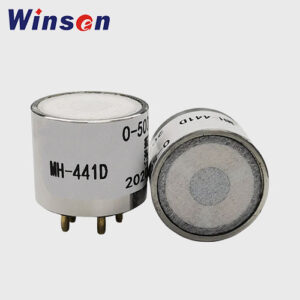
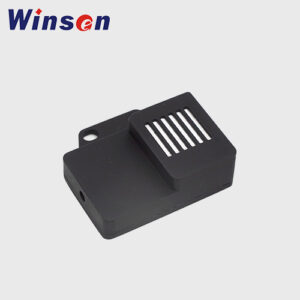
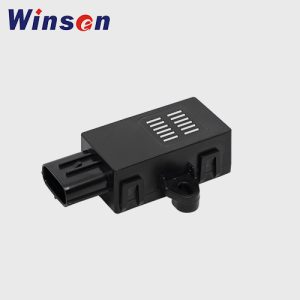
Winsen Refrigerant Sensor

Konklusyon

Freon’s legacy is twofold: a cornerstone of refrigeration and a catalyst for environmental awareness. While newer technologies are phasing out traditional Freons, their impact underscores the balance between industrial progress and ecological responsibility. Understanding Freon’s mechanisms and limitations equips stakeholders to navigate the transition toward sustainable cooling solutions.

Leave a Reply

Your email address will not be published. Required fields are marked *