Refrigerants are the lifeblood of modern cooling and heating systems. From the air conditioners in homes and offices to the refrigeration units preserving food and medicine, refrigerants play a crucial role in thermal management across various industries. As global demand for cooling rises due to urbanization, economic development, and climate change, understanding refrigerants—their types, applications, environmental impact, and emerging trends—has become more important than ever.
This article explores the science, history, and future of refrigerants in detail, including regulatory developments, industrial use cases, safety concerns, and technological advancements.
What is a Refrigerant?
a refrigerant is a chemical substance used in refrigeration and air conditioning systems to transfer heat. It works by undergoing phase changes—primarily between liquid and gas—within a closed-loop system. During this process, the refrigerant absorbs heat from one area and releases it in another, thus cooling the desired space.
A refrigerant must meet the following key requirements:
- Efficient thermodynamic properties (boiling point, heat capacity, etc.)
- Chemical stability under operating conditions
- Low toxicity and flammability (in most use cases)
- Minimal environmental impact (ozone depletion potential and global warming potential)
- Compatibility with system materials
A Brief History of Refrigerants
The journey of refrigerants began in the 19th century, evolving through several generations:
1. Natural Refrigerants (1800s – Early 1900s)
- Ammonia (NH₃), Carbon Dioxide (CO₂), Water, Air, and Hydrocarbons (Propane, Isobutane) were initially used.
- These substances were effective but posed challenges like toxicity, flammability, or high operating pressures.
2. Chlorofluorocarbons (CFCs) (1928 – 1990s)
- فریون (e.g., R-12) was developed as a non-toxic, non-flammable alternative.
- Widely used in refrigeration, air conditioning, and aerosol propellants.
- Later discovered to cause ozone layer depletion, prompting a global phase-out.
3. Hydrochlorofluorocarbons (HCFCs)
- R-22 was a transitional replacement for CFCs with lower ozone impact.
- Still ozone-depleting and now being phased out under international agreements.
4. ہائیڈرو فلوروکاربن (HFCS)
- R-134a, R-410A, R-404A, etc., replaced HCFCs.
- Do not deplete ozone but contribute significantly to گلوبل وارمنگ.
- Subject to phase-down under the مونٹریال پروٹوکول میں کیگالی ترمیم.
5. HFOs and Natural Refrigerants (Modern Era)
- Hydrofluoroolefins (e.g., R-1234yf) are low-GWP synthetic refrigerants.
- Ammonia, CO₂, hydrocarbons are making a comeback due to environmental benefits.
Classification of Refrigerants
Refrigerants are classified in several ways, but most commonly by:
1. کیمیائی ساخت
| قسم | مثالوں | Features |
|---|---|---|
| سی ایف سی ایس | R-11, R-12 | High ODP, phased out |
| HCFCs | R-22, R-123 | Medium ODP, being phased out |
| HFCS | R-134A ، R-410A | No ODP, high GWP |
| HFOS | R-1234yf, R-1234ze | Low GWP, next-gen solution |
| Natural | CO₂ (R-744), Ammonia (R-717), Propane (R-290) | Eco-friendly, efficient, but may pose safety risks |
2. Safety Classification
According to اشرا معیاری 34, refrigerants are labeled based on:
- زہریلا: Class A (lower) or B (higher)
- آتشزدگی: Class 1 (none) to 3 (highly flammable)
مثال کے طور پر:
R-134A is A1 (low toxicity, non-flammable)
R-290 (پروپین) is A3 (low toxicity, highly flammable)
Applications of Refrigerants
Refrigerants are used across a wide spectrum of industries and everyday applications:
1. رہائشی اور تجارتی HVAC
- R-410A, R-32, R-290
- Central AC, split systems, heat pumps
2. Refrigeration Systems
- R-404A, R-744, R-600a
- Supermarkets, cold storage, food retail
3. آٹوموٹو ایئر کنڈیشنگ
- R-134A, being replaced by R-1234YF
- HVAC systems in cars and trucks
4. صنعتی کولنگ
- امونیا (R-717) in large-scale industrial processes
- Dairy, breweries, chemical plants
5. Medical and Scientific
- Refrigerants used in MRI machines, vaccine storage units, laboratory freezers
6. Aerosols and Foam Blowing Agents
- Refrigerants used as propellants and in manufacturing insulation foams
ماحولیاتی اثر
1. Ozone Depletion Potential (ODPجیز
- Refers to a substance’s ability to destroy the ozone layer.
- CFCs and HCFCs are harmful; modern refrigerants have near-zero ODP.
2. گلوبل وارمنگ کی صلاحیت (جی ڈبلیو پیجیز
- Measures how much heat a refrigerant traps in the atmosphere compared to CO₂.
- HFCs can have GWP values thousands of times higher than CO₂.
| ریفریجریٹ | ODP | جی ڈبلیو پی |
|---|---|---|
| R-12 | 1.0 | 10،900 |
| R-22 | 0.05 | 1،810 |
| R-134A | 0 | 1،430 |
| R-1234YF | 0 | <1 |
| R-290 (Propane) | 0 | 3 |
| R-744 (CO₂) | 0 | 1 |
Regulatory Frameworks
1. مونٹریال پروٹوکول (1987)
- Global agreement to phase out ozone-depleting substances.
- Led to the elimination of CFCs and HCFCs.
2. Kigali Amendment (2016)
- Mandates a gradual phase-down of HFCs due to their high GWP.
- Targets an 80-85% reduction in HFC consumption by 2047.
3. یورپی ایف-جی اے ایس ریگولیشن
- Enforces quotas and bans on high-GWP refrigerants.
- Promotes the use of natural and low-GWP alternatives.
4. U.S. AIM Act (2020)
- Authorizes the EPA to reduce HFCs by 85% over 15 years.
Future Trends in Refrigerants
✅ Low-GWP Alternatives
- R-1234YF in automotive AC
- R-32 in residential air conditioning
- CO₂ and ammonia in commercial refrigeration
✅ Natural Refrigerants Comeback
- Safer equipment designs are reducing risks associated with flammable or toxic natural refrigerants.
✅ IoT Integration
- Smart HVAC systems can monitor refrigerant charge levels, detect leaks, and optimize performance remotely.
✅ Refrigerant Recycling and Reclamation
- Recovering and purifying used refrigerants is becoming essential to sustainability goals.
حفاظت کے تحفظات
Proper refrigerant handling is critical due to potential:
- Flammability risks (especially with hydrocarbons like R-290)
- Toxicity concerns (ammonia can be harmful in enclosed spaces)
- Asphyxiation hazards (CO₂ displaces oxygen in large leaks)
- Pressure injuries from pressurized systems
Certified technicians must follow industry guidelines, wear protective equipment, and use leak detection tools during maintenance and installation.
- سب دکھائیں
- R134A ریفریجریٹ لیک سینسر
- R290 ریفریجریٹ لیک سینسر
- R32 ریفریجریٹ لیک سینسر
- R410A ریفریجریٹ لیک سینسر
- R454B ریفریجریٹ لیک سینسر
- R454B ریفریجریٹ لیک سینسر، کے لئے ، کے لئے ، کے لئے ،. R32 ریفریجریٹ لیک سینسر
ZRT512E-R454B & R32 NDIR Refrigerant Detection Module, RS485 HVAC Sensor, UL/IEC Certified
0 5 میں سے - R32 ریفریجریٹ لیک سینسر، کے لئے ، کے لئے ، کے لئے ،. R290 ریفریجریٹ لیک سینسر، کے لئے ، کے لئے ، کے لئے ،. R454B ریفریجریٹ لیک سینسر
ZRT512J ریفریجریٹ کا پتہ لگانے والا ماڈیول | R32 ، R454B ، R290 | کے لئے NDIR گیس سینسر RS485 مواصلات
0 5 میں سے - R32 ریفریجریٹ لیک سینسر، کے لئے ، کے لئے ، کے لئے ،. R290 ریفریجریٹ لیک سینسر، کے لئے ، کے لئے ، کے لئے ،. R454B ریفریجریٹ لیک سینسر
ZRT512C-A ریفریجریٹ ڈیٹیکشن ماڈیول | R32 ، R454B ، R290 | کے لئے NDIR گیس سینسر وسیع وولٹیج بجلی کی فراہمی
0 5 میں سے - R134A ریفریجریٹ لیک سینسر، کے لئے ، کے لئے ، کے لئے ،. R290 ریفریجریٹ لیک سینسر، کے لئے ، کے لئے ، کے لئے ،. R454B ریفریجریٹ لیک سینسر
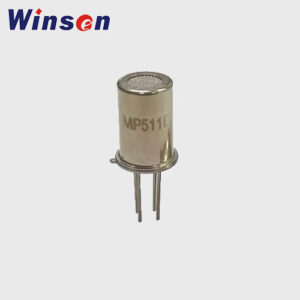
MP511D ریفریجریٹ گیس سینسر-ریفریجریٹ لیک کا پتہ لگانے کے لئے سیمیکمڈکٹر پر مبنی سینسر
0 5 میں سے
Choosing the Right Refrigerant
Selecting the best refrigerant depends on multiple factors:
- Application requirements (cooling capacity, temperature range)
- System design (compatibility with compressor and materials)
- Environmental regulations
- Safety classification
- Operating costs and efficiency
- Availability and future phase-out risks
نتیجہ
Refrigerants are essential to our way of life—preserving food, powering climate control, and enabling industrial processes. As the world moves toward sustainability, the industry is transitioning to refrigerants that are efficient, safe, and environmentally friendly.
From legacy CFCs and HCFCs to the current dominance of HFCs and the emerging rise of HFOs and natural refrigerants, the evolution of refrigerant technology mirrors humanity’s growing commitment to environmental responsibility.
Whether you’re an HVAC professional, manufacturer, policymaker, or simply a curious reader, understanding refrigerants is key to navigating the future of cooling and thermal management.