1. تعارف

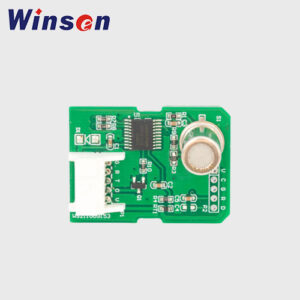
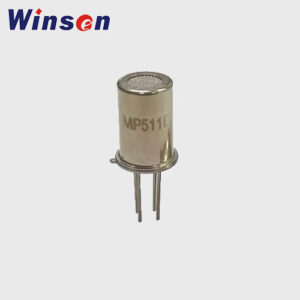
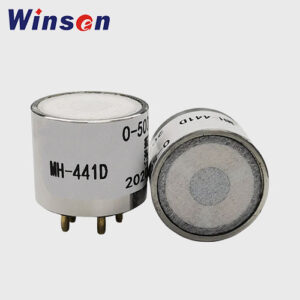
As global demand for air conditioning, refrigeration, and climate control systems grows, so too does the need for safety, efficiency, and environmental stewardship. One crucial component enabling these goals is the refrigerant sensor. Refrigerant sensors are specially designed to detect and monitor the presence of refrigerant gases in various environments. Whether it’s a chiller room, a data center, or a commercial HVAC system, these sensors play a vital role in leak detection, system efficiency, and personnel safety.

This article provides an in-depth look at refrigerant sensors, including their types, working principles, applications, compliance with safety standards, environmental relevance, and future technological trends.

2. What Is a Refrigerant Sensor?

a refrigerant sensor is a gas detection device used to identify the presence of refrigerant gases in the environment. These gases, such as R-134A، کے لئے ، کے لئے ، کے لئے ،. R-32، کے لئے ، کے لئے ، کے لئے ،. R-410A, R-407C, R-404A, R-744 (CO₂)، اور R-1234YF, are used extensively in refrigeration and HVAC (Heating, Ventilation, and Air Conditioning) systems.

Refrigerant sensors provide:

  • Early warning of gas leaks
  • Prevention of health hazards
  • Reduction in environmental emissions
  • System efficiency by minimizing refrigerant losses

3. Why Refrigerant Detection Matters

3.1 Safety

Many refrigerants are asphyxiants, meaning they can displace oxygen and pose a suffocation risk in enclosed spaces. Some refrigerants are also آتش گیر (like R-32 or R-1234yf), while others may decompose into toxic byproducts under high temperatures.

3.2 Environmental Protection

Certain refrigerants have a high گلوبل وارمنگ کی صلاحیت (جی ڈبلیو پی). Leaks not only compromise system efficiency but also harm the environment.

3.3 Regulatory Compliance

International and national standards such as:

These require refrigerant leak detection in many applications to ensure safety and environmental responsibility.

4. Working Principles of Refrigerant Sensors

Refrigerant sensors are based on various detection technologies. Each has its strengths depending on the application, target gas, sensitivity, and environmental conditions.

4.1 Semiconductor (Metal Oxide) Sensors

  • کام کرنے کا اصول: React to refrigerant gas by changing the conductivity of a metal oxide surface.
  • پیشہ: Cost-effective, compact
  • cons: Susceptible to cross-sensitivity, affected by humidity

4.2 اورکت (این ڈی آئی آر) سینسر

  • کام کرنے کا اصول: Use Non-Dispersive Infrared (NDIR) absorption to detect specific gas wavelengths.
  • پیشہ: High accuracy, long life, specific to refrigerants
  • cons: Higher cost, slower response time

4.3 الیکٹرو کیمیکل سینسر

  • کام کرنے کا اصول: Use a chemical reaction between the refrigerant gas and an electrode material.
  • پیشہ: Excellent for detecting low concentrations
  • cons: Shorter lifespan, specific to certain refrigerants

4.4 فوٹو کوسٹک سینسر

  • کام کرنے کا اصول: Measures sound waves generated when gas absorbs modulated infrared light.
  • پیشہ: High sensitivity, long life
  • cons: Relatively complex and costly

5. Types of Refrigerants Detected

ریفریجریٹکیمیائی نامقسمنوٹ
R-134A1،1،2-tetrafluoroethaneHFCWidely used, medium GWP
R-410AMixture of R-32 & R-125HFCCommon in split ACs
R-32DifluoromethaneHFCMildly flammable, lower GWP
R-1234YF2,3,3,3-TetrafluoropropeneHFOVery low GWP
R-404AمرکبHFCاعلی GWP ، مرحلہ وار آؤٹ کیا جارہا ہے
R-407CمرکبHFCUsed in commercial AC
R-744co₂NaturalNon-flammable, low GWP
R-717امونیاNaturalToxic, high efficiency

6. Applications of Refrigerant Sensors

6.1 Commercial Air Conditioning

ہوٹلوں ، مالز ، آفس عمارتوں اور ہوائی اڈوں میں ، نظام کی ناکامی کو روکنے اور قابضین کی حفاظت کے لئے ریفریجریٹ لیک کا پتہ لگانا ضروری ہے۔

6.2 Cold Storage and Supermarkets

ریفریجریٹڈ ڈسپلے کیبینٹ ، سرد کمرے ، اور فریزرز کو مصنوعات کی سالمیت کو برقرار رکھنے اور ریفریجریٹ نقصان کو کم سے کم کرنے کے لئے لیک کا پتہ لگانے کی ضرورت ہوتی ہے۔

6.3 Data Centers

سرور روم HVAC سسٹم پر بہت زیادہ انحصار کرتے ہیں۔ ایک رساو درجہ حرارت میں اضافے اور سامان کی ناکامی کا باعث بن سکتا ہے۔

6.4 Vehicle HVAC Systems

R-1234YF یا R-744 استعمال کرنے والے الیکٹرک اور ہائبرڈ گاڑیاں مسافروں کی حفاظت کے لئے نگرانی کی ضرورت ہوتی ہیں۔

6.5 Industrial Refrigeration

امونیا یا Co₂ استعمال کرنے والے بڑے پیمانے پر سسٹم کو حفاظت کی سخت ضروریات کی تعمیل کے لئے اعلی درجے کے سینسر کی ضرورت ہے۔

6.6 Chiller and Boiler Rooms

منسلک مکینیکل کمروں میں چھوٹی چھوٹی لیک خطرناک حراستی کو تیار کرسکتی ہے۔ ڈٹیکٹر اکثر وینٹیلیشن اور الارم کے ساتھ مربوط ہوتے ہیں۔

7. Key Features of High-Quality Refrigerant Sensors

  • اعلی حساسیت: Ability to detect ppm-level refrigerant concentrations
  • تیز ردعمل اور بازیابی کا وقت
  • Long operational lifespan (typically 5–10 years)
  • مستحکم انشانکن
  • Resistance to humidity and temperature fluctuations
  • Self-diagnostics and fault reporting
  • Digital communication protocols (Modbus, BACnet, etc.)
  • Compliance with standards like CE, UL, and RoHS

8. Installation Guidelines

To ensure accurate detection:

  • Install sensors low to the ground for heavier-than-air refrigerants (e.g., R-134a).
  • Place them near compressors, valves, or joints—common leak points.
  • Ensure adequate airflow اور avoid direct contact with water or oil.
  • Calibrate regularly and follow manufacturer recommendations.

9. Integration with Building Management Systems (BMS)

Modern refrigerant sensors can be integrated into a BMS to:

  • Monitor and log gas levels continuously
  • Trigger ventilation systems
  • Send alarms or SMS/email alerts
  • Activate system shutdown protocols

10. Environmental and Economic Benefits

  • Leak reduction: Saves thousands in refrigerant recharge costs
  • Energy efficiency: Prevents system underperformance due to low refrigerant
  • Sustainability: Reduces greenhouse gas emissions
  • Extended equipment life: Protects compressors and components

11. Future Trends in Refrigerant Detection

11.1 AI and Predictive Maintenance

Sensor data combined with AI can predict leaks before they become critical.

11.2 Miniaturized Smart Sensors

IoT-connected sensors with wireless connectivity and real-time cloud monitoring are on the rise.

11.3 Adaptation to New Refrigerants

As low-GWP refrigerants like R-454B or R-1234ze become mainstream, new sensors are being developed to support them.

12. Summary

CategoryKey Takeaways
PurposeDetect and monitor refrigerant leaks for safety and efficiency
TechnologiesNDIR, Semiconductor, Electrochemical, Photoacoustic
درخواستیںHVAC, refrigeration, data centers, vehicles
StandardsEN 378, ASHRAE 15, IEC 60335
BenefitsLeak prevention, cost savings, environmental protection
TrendsIoT, AI, low-GWP refrigerant support

13. نتیجہ

Refrigerant sensors are essential components in today’s refrigeration and air conditioning infrastructure. They enhance safety, ensure compliance, reduce energy consumption, and help mitigate environmental damage. As refrigerant types evolve and regulations tighten, the role of advanced sensing technologies will only grow.

Selecting the right sensor depends on the target refrigerant, installation environment, required sensitivity, and system integration needs. Investing in quality refrigerant detection not only protects lives and property but also promotes sustainable operations in a warming world.

جواب چھوڑ دو

آپ کا ای میل پتہ شائع نہیں کیا جائے گا۔ مطلوبہ کھیتوں کو نشان زد کیا گیا ہے <