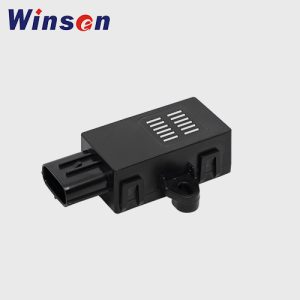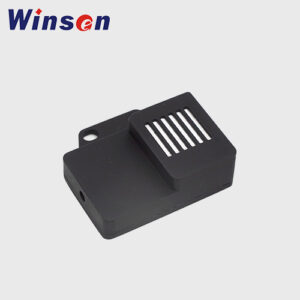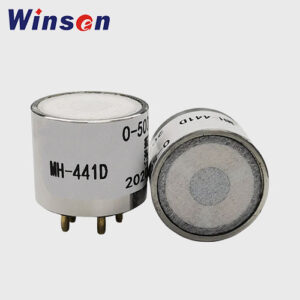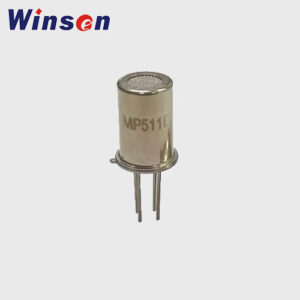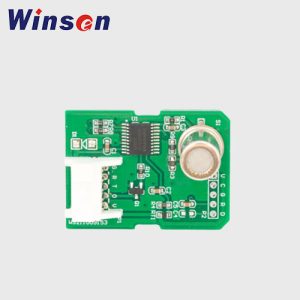
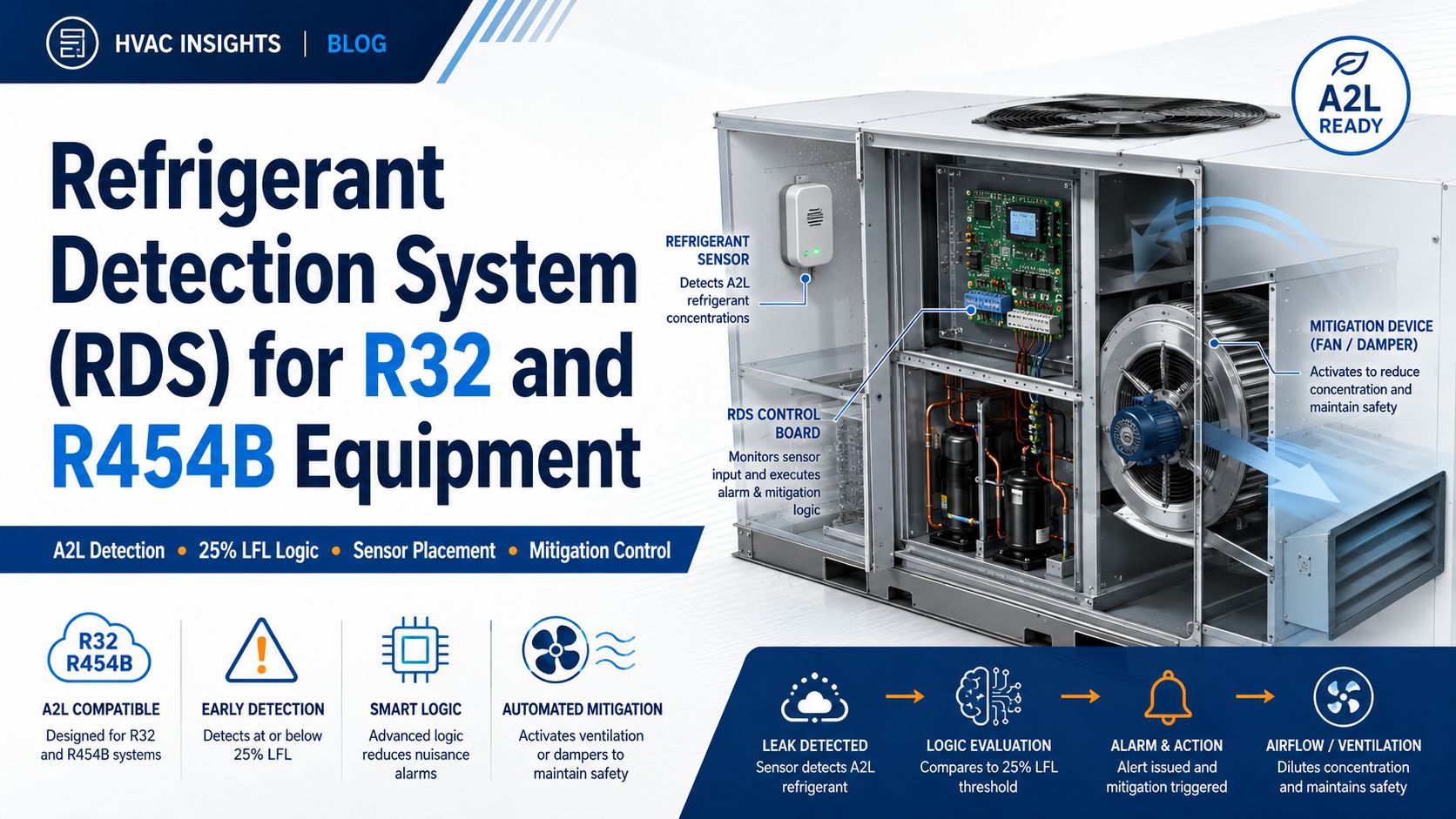
A soğutucu algılama sistemi (RDS) sadece bir sızıntı alarmı değildir. A2L HVAC ekipmanında ürünün güvenlik mimarisinin bir parçasıdır: tanımlanmış bir konsantrasyonda sızan soğutucu akışkanı tespit eder ve tehlikeyi azaltmak için bir veya daha fazla hafifletme eylemini tetikler. Ashrae RDS'yi, belirli bir konsantrasyondaki belirli bir soğutucuyu tespit etmek ve standardın gerektirdiği azaltma eylemlerini başlatmak için bir veya daha fazla sabit cihaz kullanan bir sistem olarak tanımlar.
İçin R32 ve R454B ekipmanı, RDS önemlidir çünkü her iki soğutucu da aynı şekilde ele alınır. A2L HVAC kullanımında bu, eski A1 yanmazlık davranışı yerine düşük toksisite ve hafif yanıcılık anlamına gelir. Soğutucu akışkan geçişine yönelik üretici ve sektör rehberliği, modern üniter HVAC ekipmanı için A2L seçenekleri olarak R32 ve R454B'yi tutarlı bir şekilde birlikte gruplandırır.
RDS, R32 ve R454B sistemleri için neden önemlidir?
HVAC'ın daha düşük seviyelere geçişiGWP Soğutucu akışkanlar, soğutucu kimyasından daha fazla değişti. Ayrıca bir sızıntıdan sonra ekipmanın yapması gerekenleri de değiştirdi. UL, dördüncü baskısının şu şekilde olduğunu açıklıyor: UL 60335-2-40 Sızıntı tespit yöntemleri, sağlamlık, güvenilirlik ve sensör ömrü boyunca sensör kaymasını daha iyi ele almak için soğutucu akışkan tespit gereksinimleri iyileştirildi. UL ayrıca standardın, soğutucu algılama sistemi algıladığında sistem tepkisi gerektirdiğini de belirtir. Alt yanıcılık sınırının (LFL) %'i bu gaz için.
RDS'nin R32 ve R454B ürün belgelerinde bu kadar sık görünmesinin nedeni budur. Sadece pazarlama için orada değil. A2L ekipmanının, ekipman tipine, soğutucu şarjına, oda büyüklüğüne ve kurulum senaryosuna bağlı olarak soğutucu akışkan tespitine ve azaltılmasına ihtiyaç duyabilmesi nedeniyle oradadır. UL, belirli bir HVAC ürününün entegre bir RDS gerektirip gerektirmediğini ayrıntılı kriterlerin belirlediğini söylüyor ve Johnson Controls, RDS'nin varsayılan olarak her ünitede değil, belirli koşullar altında gerekli olacağını belirtiyor.
Her R32 veya R454B ünitesinde RDS gerekli midir?
Hayır. R32 veya R454B ekipmanının her parçası, her uygulamada otomatik olarak bir RDS'ye ihtiyaç duymaz. UL, gereksinimin UL 60335-2-40'taki ürün tipine ve kurulum kriterlerine bağlı olduğunu söylüyor ve gerçek belirleme için kullanıcıları her zaman üreticinin kurulum talimatlarına yönlendiriyor. UL aynı zamanda birçok A2L sisteminin üzerinde durduğu genel bir kural da vermektedir. Sabit olmayan, fabrikada mühürlenmiş ekipman için 2 lb ücret veya Diğer türler için 4 lb Ürün listesi ve talimatlar kontrol referansı olarak kalsa da, tipik olarak entegre bir RDS gerektirir.
OEM ve üretici rehberliği aynı fikri daha fazla uygulama dilinde göstermektedir. Johnson Controls/YORK R-454B teknik incelemesi üç senaryoyu açıklamaktadır: birincisi, şartlandırılmış alan yeterince büyük olduğu için daha fazla hafifletmeye gerek yoktur; ikincisi ise; RDS veya sürekli besleme havası sirkülasyonu gerekli ve üçüncüsü burada RDS artı ilave egzoz havası kullanılabilir alan daha da küçük olduğunda gereklidir.
RDS, R32 ve R454B ekipmanında nasıl çalışır?
Gerçek HVAC ekipmanında bir RDS genellikle dört bölümden oluşur: sabit sensör, A kontrol veya azaltma kurulu, bir veya daha fazla Azaltma çıktıları, Ve arıza denetimi. UL, entegre bir RDS'yi, belirli bir konsantrasyondaki soğutucu akışkanı tespit etmek ve otomatik olarak azaltmayı başlatmak için HVAC ekipmanının içindeki bir veya daha fazla sabit sensörün kullanılması olarak tanımlar.
Teksas Aletleri2024 A2L tasarım kılavuzu ve OEM denetleyici belgeleri pratik açıdan aynı mimariyi gösterir: sensör girişi bir azaltma denetleyicisine gider, ardından denetleyici fanlar, kilitlemeler, alarmlar veya diğer çıkışlar gibi eylemleri yönlendirir. AAON'un A2L azaltma denetleyicisi kılavuzu, denetleyicinin soğutucu algılama sisteminin bir parçası olduğunu ve soğutucu akışkandaki A2L sızıntılarını tespit etmek için tasarlandığını söylüyor. hava akımı ve/veya kabinve sağlar üç sensör girişi, bir ikili giriş ve dört röle.
Başka bir deyişle, RDS yalnızca bir “gaz sensör kartı” değildir. Algılamak, karar vermek ve tepki vermek için tasarlanmış, izlenen bir kontrol döngüsüdür.
% LFL mantığı: A2L RDS tasarımının özü
A2L ekipmanına entegre soğutucu akışkan tespitinde en önemli sayı: % LFL. UL, UL 60335-2-40'ın, algılanan konsantrasyona ulaşıldığında soğutucu algılama sisteminin sistem yanıtını başlatmasını gerektirdiğini söylüyor LFL'nin %'i soğutucunun. TI'nin A2L uygulama özeti, soğutucu algılama sisteminin şu süre içinde çıktı vereceğini söylüyor: 30 saniye doğrudan maruz kalma % LFL.
UL'nin kod-yetki kılavuzu, pratik bir ekipman görünümü ekler: entegre bir RDS, genellikle belirli bir süre içinde azaltımı başlatmak için tasarlanmıştır. 15 saniye tespit etmenin % LFL veya daha fazla. Bu makale ayrıca kurulum ayrıntılarının neden bu kadar önemli olduğunu da açıklıyor: Dedektör, sistem bağlamı olmayan rastgele bir satış sonrası bileşen olarak değil, ekipman sertifikasyonunun bir parçası olarak değerlendirilir.
R32 ve R454B ekipmanı için bu, RDS eşiğinin yüklenicinin sahada tahmin etmesi gereken bir şey olmadığı anlamına gelir. UL'nin yayınlanmış gereksinimleri, soğutucu algılama sistemi kalibrasyonunun yapılması gerektiğini söylüyor fabrikada önceden ayarlanmış ve kalibre edilmiştir Kullanılan soğutucu için önceden ayarlanmış seviye ayarlanabilir olmayacaktırve sıfır noktası kendi kendine yeniden kalibrasyon dışında yeniden kalibrasyona izin verilmez.
Tespit sonrasında tipik azaltma eylemleri
Bir sızıntı tespit edildiğinde, RDS sesli uyarı vermekten fazlasını yapar. OEM belgeleri gerçek azaltma sıralarını gösterir. AAON, alarm durumunda kontrol ünitesinin şunları yapabileceğini söylüyor: besleme fanını etkinleştirin, kompresörleri devre dışı bırakın, alarmı etkinleştirin ve harici VAV sistemine sinyal gönderin. Ayrıca, fan etkinleştirildikten sonra hava akışına dayanıklılık sağlanamadığında kilitlenme durumunu da açıklar.
Johnson Kontrolleri2024 R-454B çatı üstü ünite dokümantasyonu başka bir somut örnek sunmaktadır: A2L alarmı algılandığında, ünite soğutma ve ısıtma çıkışlarını kapatır ve besleme fanı 0'da açık eğer halihazırda çalışmıyorsa.
Bu örnekler önemlidir çünkü alıcıların bir RDS'den ne beklemeleri gerektiğini gösterirler: pasif bildirim değil, ekipmanın çalışma sırasına bağlı aktif azaltma.
Sensör konumu kritiktir
Yerleştirme, RDS tasarımının en çok gözden kaçan kısımlarından biridir. UL'nin kod yetkilisi makalesi, A2L soğutucu akışkanlarının havadan ağır olduğunu söylüyor; bu nedenle kurulum talimatları, sensörü genellikle sızan soğutucu akışkanın bulunabileceği yere yerleştirir. batır ve topla, çoğu zaman muhafazanın altına doğru iç bobinlerin yakınında. Birden fazla iç mekan bobinine sahip üniteler birden fazla sensör kullanabilir.
Saha kurulum dokümanları bobin seviyesinde aynı mantığı göstermektedir. Aspen'in A2L soğutucu akışkan algılama sistemi talimatları, sistemi bir sensör, kablo demeti ve hafifletme panosu tertibatı olarak gösterir ve dikey, yatay, plenum ve döşeme/düz bobin konfigürasyonları için braket konumunu/yönlendirmesini belirtir. Sensör, işaretli yönde kurulmalı ve kurulum talimatlarında belirtilen serpantin/drenaj tavası alanına yerleştirilmelidir.
OEM'ler için bu, sensör seçimi ile mekanik tasarımın ayrılamayacağı anlamına gelir. Kabin geometrisi, bobin konumu, hava akış yolu, drenaj tavası konumu ve servis erişiminin tümü, sensörün sızıntıyı yeterince hızlı görüp görmeyeceğini etkiler.
R32 ve R454B: bir sensör mü yoksa iki mi?
Bu, platforma ve tedarikçi stratejisine bağlıdır.
Bu, OEM'ler ve bobin üreticileri için yararlı bir satın alma noktasıdır. Bir ürün ailesi genelinde her iki soğutucu akışkanı da destekliyorsanız, çift gazlı bir çözüm platform karmaşıklığını azaltabilir. Yalnızca tek bir soğutucu akışkan etrafında inşa ediyorsanız ve daha sıkı bir platform doğrulaması istiyorsanız, soğutucu akışkana özel bir sensör daha uygun olabilir.
Fabrikada kurulan ve sahada kurulan RDS karşılaştırması
Her iki model de mevcut. UL, UL 60335-2-40'ın RDS'nin kullanılmasına izin verdiğini söylüyor fabrikada monte edilmiş veya sahada monte edilmişancak kurulum talimatları, listelenen ekipmanın RDS'yi gerektirip gerektirmediğini, hangi spesifik RDS'ye izin verildiğini ve nereye kurulması gerektiğini belirler.
Piyasa bunu yansıtıyor. Johnson Controls, bazı ekipmanların ihtiyaç duyulan yerlerde fabrikada monte edilmiş RDS ile birlikte gönderileceğini, diğer durumlarda ise sensörün uygulamanın gerektirdiği yere sipariş edilip sahada kurulabileceğini söylüyor. Aspen'in saha montaj kiti belgeleri aynı zamanda sensör, sensör braketi, kablo demeti, azaltma panosu ve mevcut hava hareket sistemine alçak gerilim kablo bağlantısından oluşan sahada monte edilen pratik bir mimariyi de gösterir.
HVAC OEM'lerinin R32/R454B ekipmanı için bir RDS'de belirtmesi gerekenler
Yararlı bir OEM spesifikasyonu en azından şunları tanımlamalıdır: hedef soğutucu- yanıt mantığı- sensör konumu- Azaltma çıktıları- ömür boyu güvenilirlik, Ve entegrasyon voltajı/G/Ç. UL'nin mevcut gereksinimleri fabrikada önceden ayarlanmış kalibrasyonu ve uzun vadeli kararlılık kanıtlarını vurgularken, TI ve AAON malzemeleri kart düzeyinde entegrasyonun ve arıza durumu yönetiminin neden ham algılama kadar önemli olduğunu gösteriyor.
Pratik açıdan alıcılar şunları aramalıdır:
- için net destek R32, R454B veya her ikisi;
- uyumluluk konumlandırması UL 60335-2-40 HVAC ekipmanı için;
- tanımlanmış tepki davranışı % LFL;
- yalnızca laboratuvar koşullarına değil, HVAC kabinlerine uygun çevresel sağlamlık ve sürüklenme/ömür iddiaları;
- gerekli azaltma sırasını gerçekten yönlendirebilecek kontrol çıktıları.
RDS ve taşınabilir sızıntı dedektörü
Bu anahtar kelime sıklıkla el tipi servis araçlarıyla karıştırılır. A taşınabilir kaçak dedektörü teknisyenin kurulum veya servis sırasında sızıntıyı bulmasına yardımcı olur. Bir RDS sürekli izleyen ve azaltma işlemini otomatik olarak başlatan sabit, sabit, ekipmana entegre bir güvenlik sistemidir. ASHRAE'nin RDS tanımı ve UL'nin "integral RDS" dili bu ayrımı açıkça ortaya koymaktadır.
Bu yüzden hedefleyen bir makale “R32 ve R454B Ekipmanı için Soğutucu Akışkan Algılama Sistemi RDS” sadece elde taşınan algılayıcılardan değil, sensörlerden, hafifletme panolarından, hava akışı tepkisinden, yerleştirmeden ve sertifikasyondan bahsetmeli.
SSS
HVAC'ta RDS ne anlama geliyor?
RDS'nin anlamı Soğutucu Madde Algılama Sistemi. ASHRAE bunu, belirli bir konsantrasyondaki belirli bir soğutucuyu tespit etmek ve gerekli azaltma eylemlerini başlatmak için bir veya daha fazla sabit cihaz kullanan bir sistem olarak tanımlıyor.
Tüm R32 ve R454B sistemleri için RDS gerekli midir?
Hayır. RDS'nin gerekli olup olmadığı ekipman tipine, soğutucu akışkan miktarına, oda/uygulama kriterlerine ve üreticinin listelenen kurulum talimatlarına bağlıdır. UL ve Johnson Controls'ün her ikisi de, her ünite için evrensel bir kural yerine uygulamaya bağlı gereksinimleri tanımlar.
Hangi konsantrasyon A2L RDS'yi tetikler?
UL, soğutucu algılama sisteminin sistem yanıtını şu anda başlatması gerektiğini söylüyor: LFL'nin %'i soğutucu için. TI ayrıca RDS'nin çıktıyı şu süre içinde yapacağını belirtir: 30 saniye doğrudan maruz kalma % LFL.
R32 veya R454B RDS sensörü nereye kurulmalıdır?
UL, A2L soğutucu akışkanlarının batma eğiliminde olduğunu söylüyor, bu nedenle sensörler genellikle sızan soğutucu akışkanın toplanabileceği yerlere, genellikle de soğutucu akışkanın yakınına kurulur. muhafazanın alt kısmı ve yakınında kapalı bobin alanı.
RDS sahada kurulabilir mi?
Evet. UL, ekipman listesi ve kurulum talimatları izin verdiği sürece hem fabrikada hem de sahada kurulumlu yaklaşımlara izin verildiğini söylüyor. Aspen'in sahaya montaj talimatları, sahada kurulan RDS mimarisinin açık bir örneğidir.
Zarar azaltma kurulu ne yapar?
Sensör girişini alır ve fanların etkinleştirilmesi, kompresörlerin devre dışı bırakılması, alarmların tetiklenmesi veya diğer kontrol sistemlerine sinyal gönderilmesi gibi eylemleri yönlendirir. AAON'un A2L azaltım denetleyici kılavuzu tam olarak bu tür bir işlemi açıklamaktadır.
Kapanış paragrafı
Modern için R32 ve R454B ekipmanıBir RDS en iyi şekilde şu şekilde anlaşılır: sabit güvenlik alt sistemibasit bir aksesuar sensörü değil. Doğru tasarım, soğutucu akışkana özel algılamayı, % LFL mantığını, doğru yerleştirmeyi, azaltma çıkışlarını ve UL 60335-2-40 tarzı gereksinimler kapsamında uzun vadeli güvenilirlik kanıtlarını bir araya getirir.