Refrigerant Sensor Germany – Refrigerant Sensor Supply | China Sensor Factory

Refrigerant Sensor Germany – Reliable Supply from China Sensor Factory Winsen

Germany is recognized as the industrial powerhouse of Europe, with world-class engineering, a strong automotive sector, advanced building technologies, and strict environmental policies. In such a market, the role of czujniki czynnika chłodniczego is increasingly critical. From automotive air conditioning I industrial refrigeration to commercial HVAC I data centers, Germany has a strong and growing demand for reliable refrigerant detection solutions.

At the same time, Germany is a leading advocate of the EU Green Deal and strict environmental regulations such as the Regulacja F-GAS, which targets high-GWP refrigerants. This regulatory landscape is accelerating the adoption of advanced czujniki czynnika chłodniczego for leak detection, compliance, and system optimization.

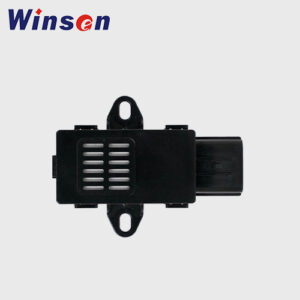
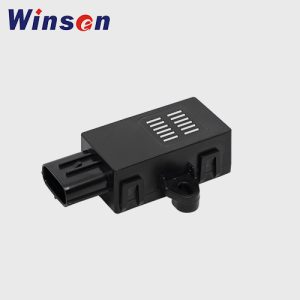
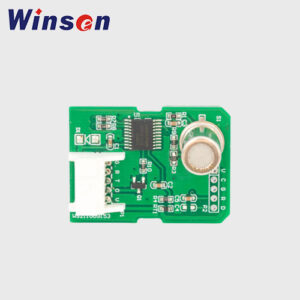
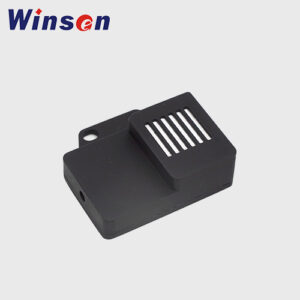
Czujnik czynnika chłodniczego - fabrycznie dostępne na całym świecie

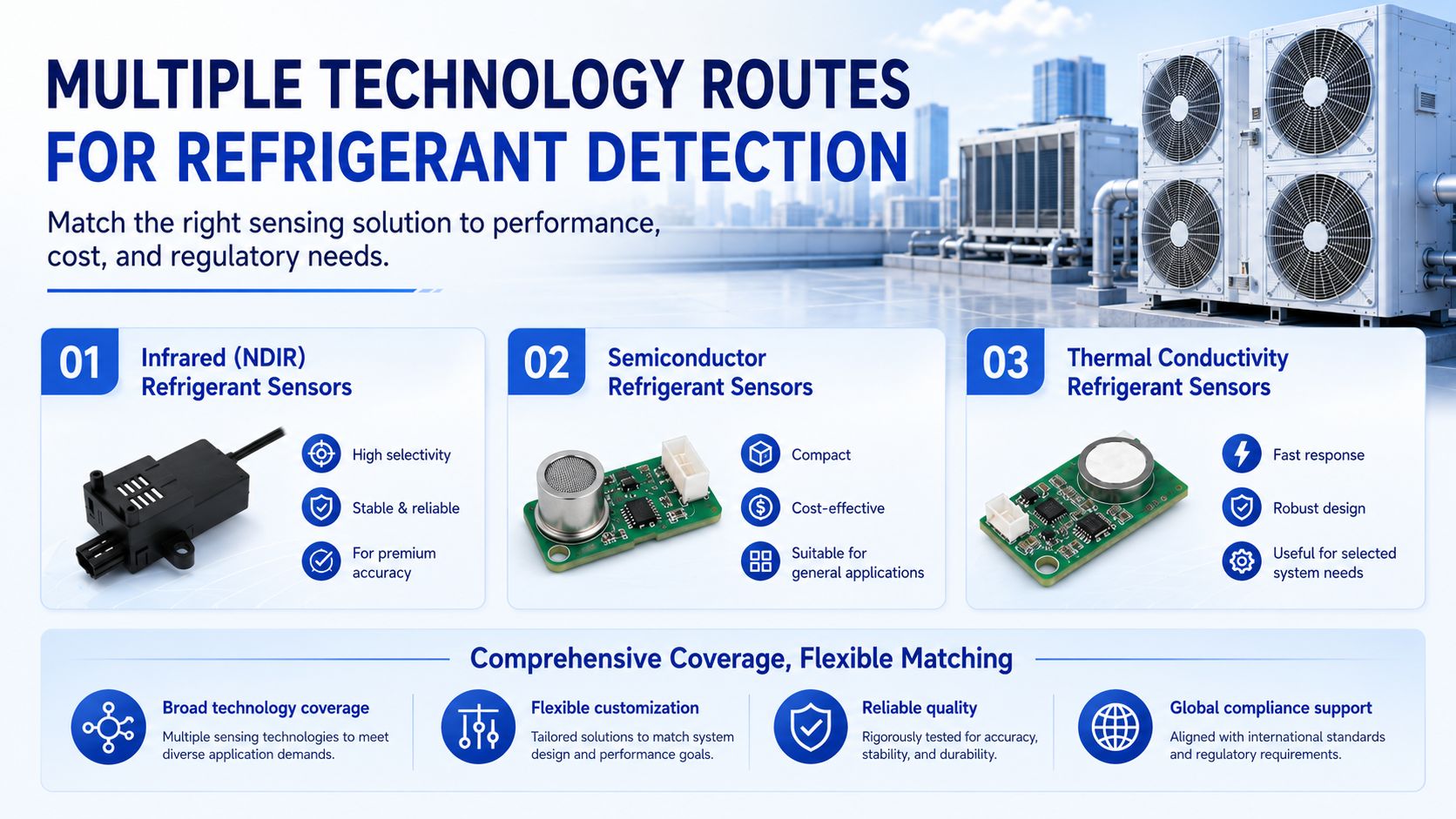
Wygrać, A Spółka notowana na giełdzie z siedzibą w Chinach, is one of the most complete sensor solution providers worldwide. With more than 30 years of R&D and manufacturing expertise, Winsen supplies refrigerant sensors based on multiple technologies, including NDIR (niedyspersyjna podczerwień), MOS (półprzewodnik).

Długa żywotność operacyjna

Stabilna kalibracja

Wysoka wrażliwość

Szybka reakcja i czas regeneracji

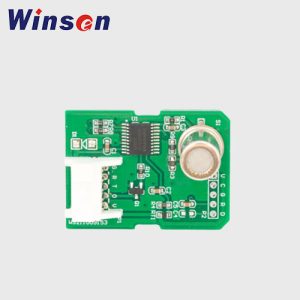
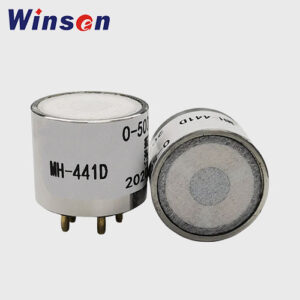
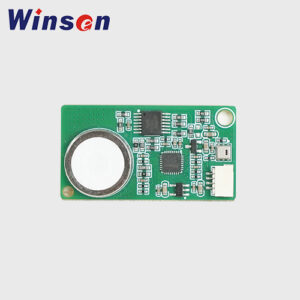
Czujnik czynnika chłodniczego NDIR

Półprzewodnikowy czujnik czynnika chłodniczego

What is a Refrigerant Sensor?

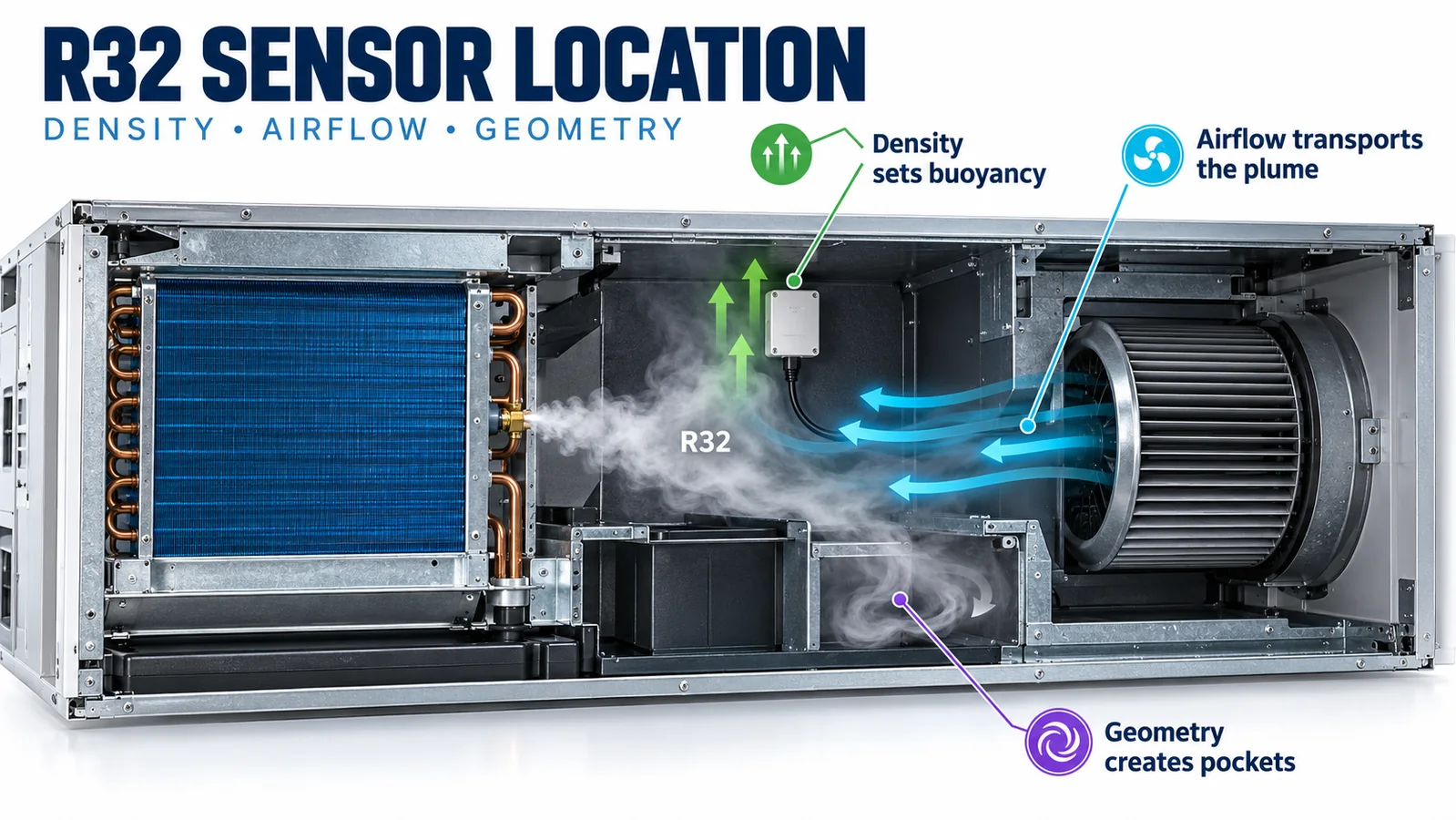
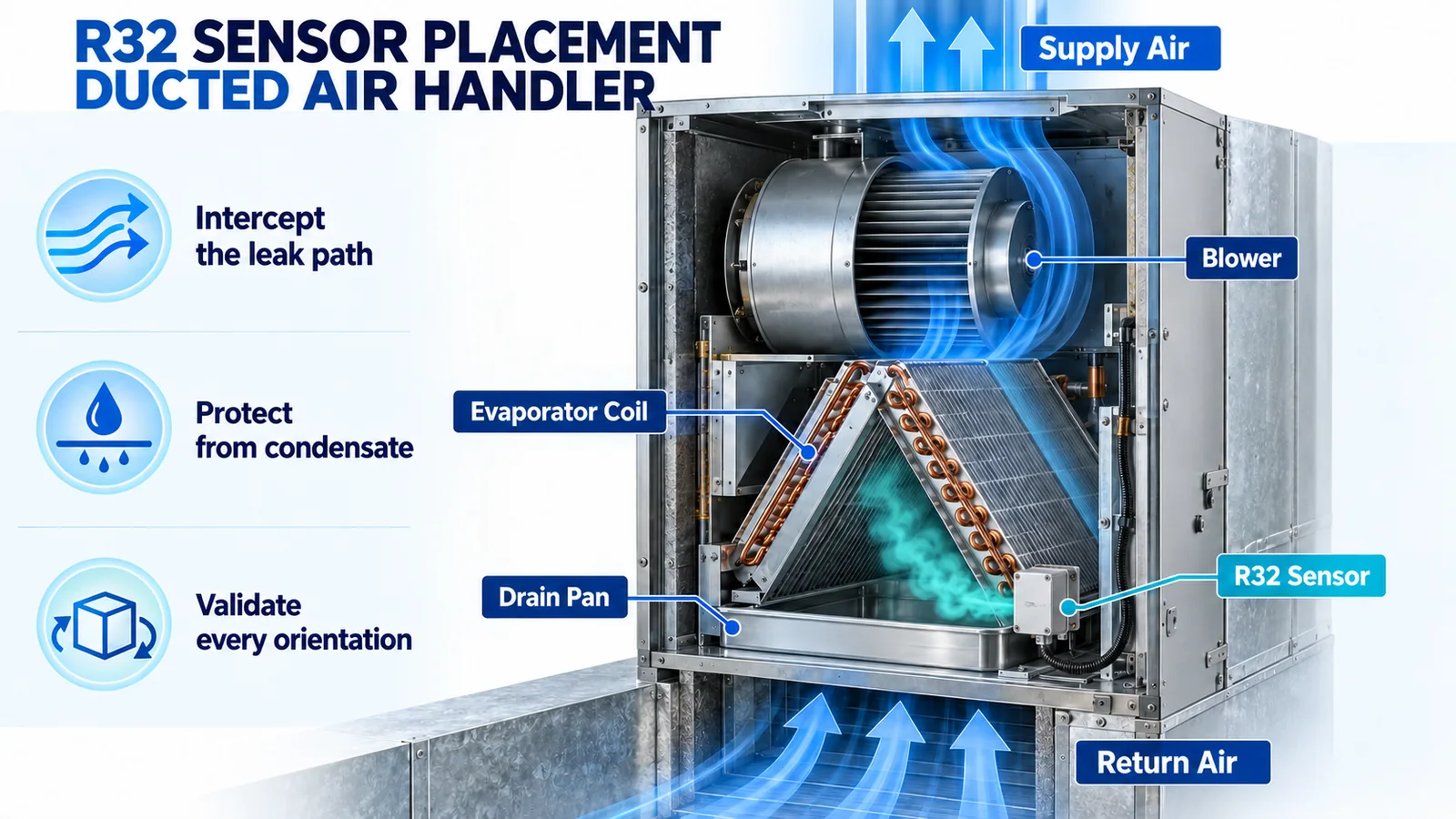
A czujnik czynnika chłodniczego is a gas detection device used to monitor refrigerant leaks, concentrations, and system safety. It is widely applied in:

  • HVAC (Heating, Ventilation, Air Conditioning) systemy

  • Refrigeration equipment (supermarkets, cold storage, logistics)

  • Klimatyzacja samochodowa

  • Data center cooling

  • Industrial processing systems

Key Functions

  • Wykrywanie wycieków: Identifies small refrigerant leaks before they escalate.

  • Monitorowanie bezpieczeństwa: Prevents hazardous concentrations of flammable or toxic refrigerants.

  • Environmental Compliance: Helps companies adhere to EU F-Gas and GWP reduction targets.

  • System Optimization: Improves maintenance efficiency and energy savings.

Rodzaje czujników czynnika chłodniczego

1. Czujniki NDIR (bezsprzedza w podczerwieni)

  • Zasada: Detect refrigerant gases by measuring infrared absorption.

  • Zalety: High accuracy, long lifespan, stable performance.

  • Zastosowania: High-end HVAC, data centers, supermarkets, leak monitoring.

2. MOS (Metal-Oxide Semiconductor) Sensors

  • Zasada: Gas interaction changes the resistance of a semiconductor layer.

  • Zalety: Cost-effective, compact, fast response.

  • Zastosowania: Automotive AC, portable leak detectors, residential safety devices.

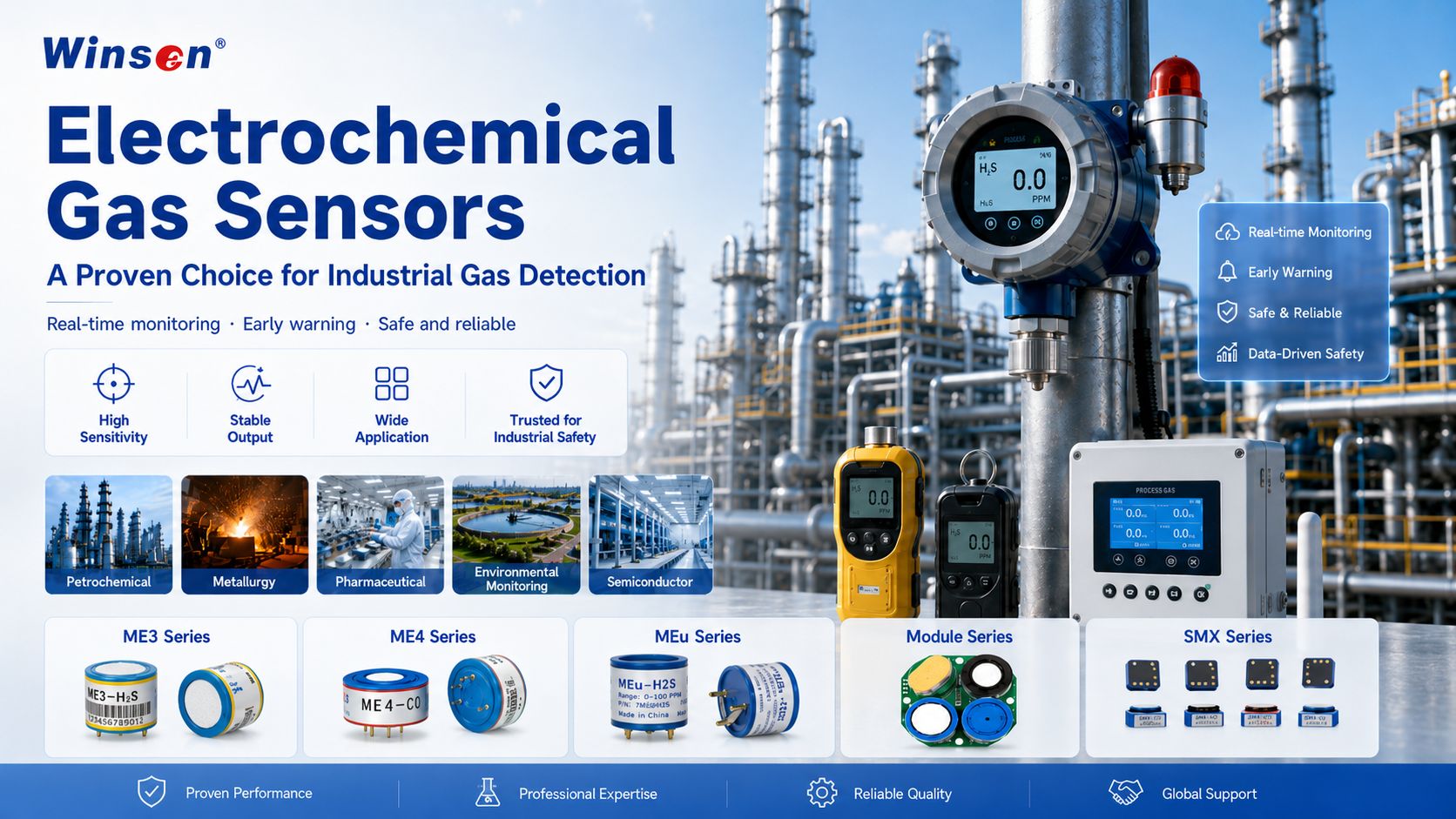
3. Czujniki elektrochemiczne

  • Zasada: Chemical reaction with the target gas generates an electrical signal.

  • Zalety: High sensitivity, selective detection.

  • Zastosowania: Industrial safety, toxic refrigerant monitoring.

4. Czujniki fotoakustyczne

  • Zasada: Detect gas concentration by measuring sound waves generated from IR absorption.

  • Zalety: Excellent selectivity and sensitivity.

  • Zastosowania: Precision leak detection, research facilities.

5. MEMS-Based Sensors

  • Zasada: Micro-electromechanical systems use miniaturized structures to sense gases.

  • Zalety: Miniaturization, low power, IoT integration.

  • Zastosowania: Smart homes, wearable devices, portable monitors.

Refrigerant Sensor Applications in Germany

Przemysł motoryzacyjny

Germany is home to automotive giants like BMW, Volkswagen, Mercedes-Benz, and Audi. Vehicle air conditioning requires compact, reliable refrigerant sensors to monitor cabin air quality and refrigerant leaks, particularly as cars transition to low-GWP refrigerants like R-1234yf.

Supermarkets and Food Logistics

Refrigerated storage is vital for Germany’s food retail and export industry. Czujniki czynnika chłodniczego NDIR are widely used in supermarket cold displays and logistics chains to reduce refrigerant loss and comply with EU safety standards.

HVAC in Commercial Buildings

Germany’s office complexes, hospitals, and public buildings use advanced HVAC systems. Leak detection sensors improve safety, reduce maintenance costs, and ensure compliance with EU energy efficiency regulations.

Inteligentne miasta i zielone budynki

Germany leads in smart building solutions. Integration of MEMS and IoT refrigerant sensors enhances predictive maintenance, energy efficiency, and safety monitoring.

Industrial and Chemical Plants

German industry relies on cooling systems in manufacturing, pharmaceuticals, and chemicals. Refrigerant sensors protect workers, assets, and the environment.

Centra danych

With the rise of cloud computing, Germany is seeing rapid growth in data centers. Cooling systems rely on refrigerants, and Czujniki NDIR play a vital role in detecting leaks and preventing downtime.

Dlaczego globalni klienci wybierają nas?

Firma konsekwentnie przestrzega polityki jakościowej „drobnego rzemiosła, innowacji naukowych, dążenia do doskonałości i usługi o wartości dodanej”. Sformułując plany kontroli procesu produkcji i instrukcje pracy, ustanowił standardowy, odpowiedzialny i regulowany system zarządzania procesami. Ponadto firma niezależnie opracowała system zarządzania produkcją MES, umożliwiając kompleksowe i wizualne zarządzanie w całym przepływie pracy.

Ponad 30 lat doświadczenia

R&D, manufacture and sales of sensors and sensing solutions.

Gwarancja jakości ciągła poprawa

Pełna i sztywna kontrola przepływu procesu, w połączeniu ze znaczącą ulepszeniami.

Rynek międzynarodowy

Dostarczanie produktów wykrywających do ponad 100 krajów i regionów.

Stabilna niezawodna produkcja łańcucha dostaw

Komponenty podstawowe nie podlegają ograniczeniom, zaawansowanym urządzeniom do produkcji i testowania.

R&D STRENGTH TECHNOLOGY INNOVATION

200+ patents, 180+ R&D team members, self-built labs for continous innovation.

Usługa jednokrotna

Profesjonalne konsultacje, szybka dostawa, 24-godzinne wsparcie po sprzedaży.

Leading the Industry, Innovative & Controllable Technology

With robust R&D capabilities, we maintain sustained input in R&D and unwavering commitment to technological innovation. This not only ensures that we remain at the forefront of industry but also drives continuous innovation, leading the future trend of the sensing industry.

10% R&D Input

The average annual R&D input exceeds 10% of the annual revenue.

5+ R&D Layout

With Zhengzhou headquarters as the core, a nationwide R&D and innovation system is being established, encompassing cities of Shanghai, Wuhan, Shenzhen, and Taiyuan.

180+ R&D Team

There are over 180 R&D personnel, including more than 10 with doctoral degrees and over 50 with master's degrees, who have an average of more than 8 years of experience in sensor development.

Ponad 20 rodzajów eksperymentów

Związane z gazem, środowisko klimatyczne, EMC, wydajność elektryczna, wydajność mechaniczna itp.

Ponad 10 zaawansowanych laboratoriów

CNAS Laboratory, MEMS Laboratory, UL Laboratory, Nanokomposite Materials Laboratory itp.

400+ sets Leading R&D Equipment

Storage kostki, Die Bonder, Maszyna litograficzna, maszyna do powlekania, maszyna do umieszczania SMT, automatyczna stacja sondy itp.

Żądanie konsultacji

    Sukces! Twoja wiadomość została do nas wysłana.
    Błąd! Wystąpił błąd wysyłania wiadomości.

    WeChat

    WhatsApp

    Environmental Regulations in Germany

    Germany enforces some of the world’s strictest refrigerant regulations through the Rozporządzenie UE w sprawie F-gazów, which aims to cut greenhouse gas emissions by phasing down high-GWP refrigerants.

    • Montreal Protocol & Kigali Amendment: Commitment to phase out ozone-depleting substances.

    • Rozporządzenie UE w sprawie F-gazów: Targets HFC reduction by two-thirds by 2030.

    • Local Regulations: Building codes require refrigerant leak detection in many applications.

    • Shift to Alternatives: Natural refrigerants (CO₂, ammonia, hydrocarbons) and low-GWP HFOs (R-1234yf, R-1234ze).

    Refrigerant sensors are critical to this transition, ensuring safety, compliance, and sustainability.

    Comparison of Refrigerant Sensor Technologies

    Typ czujnikaDokładnośćKosztDługość życiaZastosowania
    Jest nWysokiMedium-HighLongHVAC, supermarkets, data centers
    MosŚredniNiskiŚredniAutomotive AC, residential devices
    ElektrochemicznyWysokiŚredniŚredniIndustrial safety, toxic gases
    FotoakustykaVery HighWysokiLongResearch, precision detection
    MEMSŚredniNiskiLongIoT, smart homes, wearables

    FAQ

    Q1: Why are refrigerant sensors crucial in Germany?
    Because of strict environmental regulations, high refrigerant costs, and safety needs across industries.

    Q2: Which refrigerant sensor technology is most suitable for data centers?
    Czujniki NDIR are preferred due to their accuracy, stability, and long operational life.

    Q3: How do Chinese suppliers compare to European ones?
    Chinese suppliers like Winsen offer cost-effective, reliable, and customizable solutions, making them ideal partners for German companies.

    Q4: Why choose Winsen for refrigerant sensors?
    Winsen is a stock-listed Chinese manufacturer with 30+ years of experience, offering worldwide proven solutions.

    Więcej wiedzy na temat czujników czynników chłodniczych

    Nie jestem pewien Który czujnik Czy prawda?

    Uzyskaj bezpłatną wstępną konsultację już teraz

    został dodany do twojego koszyka.
    Wymeldować się