

Wymiana starszego czynnika chłodniczego (takiego jak R-134a lub R-410A) nie jest już tylko decyzją „wydajność + kompatybilność olejowa”. Obecnie najczęstszymi zamiennikami są A2L lekko palny czynniki chłodnicze (mieszanki R32, R454, R1234yf/ze), a czasami A3 wysoce łatwopalny węglowodory (R290, R600a). Ta zmiana zmienia to, co system musi to zrobić zwłaszcza gdy nastąpi wyciek wartości zadane, czas reakcji, rozmieszczenie i elementy sterujące łagodzące.
W tym przewodniku wyjaśniono, jakie zmiany, dlaczego się zmieniają i jak przełożyć „wybór czynnika chłodniczego na wymianę” na prawidłową specyfikację wykrywania nieszczelności.
1) Zacznij tutaj: wymagania dotyczące wykrywania wynikają z klasy bezpieczeństwa czynnika chłodniczego
Klasy bezpieczeństwa czynników chłodniczych (od ASHRAE 34) łączą się toksyczność (A/B) I palność (1/2/2L/3). A2L definiuje się jako podzbiór „2” czynników chłodniczych maksymalna prędkość spalania ≤ 10 cm/s, dlatego jest traktowany inaczej niż węglowodory A3.
Dlaczego to ma znaczenie:
- A1 (niepalny) wycieki są przede wszystkim zarządzane ekspozycja/wypieranie tlenu i straty dla środowiska.
- A2L (lekko łatwopalny) wycieki należy wykryć wystarczająco wcześnie, aby zapobiegać osiągnięciu palnych stężeń, często powiązane %LFL zasady i łagodzenie.
- A3 (wysoce łatwopalne) zwykle wymaga w stylu gazu palnego wykrywanie i bardziej rygorystyczne kontrole zagrożeń.
Odblokowanie tajemnic klasyfikacji bezpieczeństwa Ashrae: co musisz wiedzieć
2) Co się zmienia po przejściu z A1 → A2L/A3
Wielka zmiana: od logiki opartej na RCL/OEL do logiki bezpieczeństwa opartej na LFL
W wielu kontekstach bezpieczeństwa HVACR, niepalny systemy korzystają z powiązanych wartości zadanych detektorów Limit stężenia czynnika chłodniczego (RCL)zwłaszcza w maszynowniach. ASHRAE 15 stwierdza, że wartość zadana detektora czynnika chłodniczego musi wynosić nie większy niż obowiązujący RCL w ASHRAE 34.
Dla zapalny czynnikami chłodniczymi, krytycznym odniesieniem staje się LFL (dolna granica palności). Wytyczne bezpieczeństwa UL opisują aktywację wykrywania nieszczelności poniżej 25% LFL („współczynnik bezpieczeństwa 4×”) i działania łagodzące, takie jak wentylatory.
3) Wymagania według klasy czynnika chłodniczego (prosta tabela decyzyjna)
| Jeśli wybierzesz… | Typowe zamienniki | Na czym musi się skupiać wykrywanie | Kotwica wymagań wspólnych |
|---|---|---|---|
| Wymiana A1 (niepalny) | R-513A / R-450A (przykłady) | Zarządzanie ekspozycją/RCL, wyzwalacze wentylacji maszynowni | Wartość zadana ≤ RCL (ASHRAE 15) |
| Wymiana A2L (lekko łatwopalny) | R32, R454B/R454C, R1234yf/ze | Zapobiegać łatwopalnej mieszaninie; zintegrować kontrole łagodzące | Activate < 25% LFL, oczekiwania dotyczące czasu reakcji (UL/przyjęcie w branży) |
| Wymiana A3 (wysoce łatwopalny) | R290, R600a | Kontrola zagrożenia gazami palnymi + zapobieganie zapłonowi | Strategia alarmowa %LEL + wentylacja/kontrola (często sterowana kodem) |
4) Systemy A1: „wymagany czujnik” często oznacza zgodność z maszynownią
Jeśli Twój zastępca zostanie A1, Twoje wymagania dotyczące wykrywania mogą być nadal rygorystyczne pomieszczenia maszynowe:- Wymagana wartość zadana: ASHRAE 15 wymaga, aby wartość zadana detektora czynnika chłodniczego była ustawiona ≤ najniższy obowiązujący RCL obecności jakiegokolwiek czynnika chłodniczego.
- Integracja wentylacji: nowsze dodatki ASHRAE 15 omawiają czujniki aktywujące wentylację przy określonych wartościach zadanych/czasach reakcji.
- Zwykle nie jest potrzebna logika „łagodzenia palności” (wentylatory/wyłącznik wyłącznie w celu zapobiegania zapłonowi), ponieważ A1 nie rozprzestrzenia płomienia.
- Umieszczenie czujnika jest nadal ważne, ale model zagrożenia nie polega na „zapobieganiu powstaniu łatwopalnej chmury”, lecz na „wczesnym wykryciu wycieku ze względów bezpieczeństwa i kosztów”.
5) Systemy A2L: wykrywanie staje się częścią funkcji bezpieczeństwa (a nie tylko monitorowanie)
Po przejściu na A2L wykrywanie jest często traktowane jako system wykrywania czynnika chłodniczego (RDS) które muszą niezawodnie wyzwalać łagodzenie.
5.1 The headline rule: < 25% LFL
Wytyczne UL opisują aktywację systemu wykrywania nieszczelności poniżej 25% LFL oraz wyzwalanie środków łagodzących, takich jak wentylatory cyrkulacyjne.
5.2 Oczekiwania dotyczące czasu reakcji
Wytyczne dotyczące wdrożenia w branży (przykład: dokument dotyczący wdrożenia A2L firmy Texas Instruments) podsumowują, że RDS powinien generować wyniki w ciągu 30 sekund bezpośredniego narażenia na 25% LFL.
Dodatki ASHRAE obejmują również koncepcje aktywacji opartej na czasie przy 25% LFL na potrzeby logiki wykrywania/łagodzenia.
5.3 Sterowanie wartością zadaną: „regulowane na miejscu” może być ograniczone
Język ASHRAE 15 zawiera załączniki dotyczące systemów wykrywania czynnika chłodniczego nieregulowane wartości zadane oraz ograniczenia dotyczące ponownej kalibracji w terenie w pewnych kontekstach.
Praktyczny wniosek dla producentów OEM/instalatorów:
Dzięki A2L nie musisz już tylko „czytać ppm”. Wdrażasz pętla bezpieczeństwa: czujnik → logika → łagodzenie (wentylator/zawór/wyłączenie) → zachowanie awaryjne.
6) Systemy A3 (R290/R600a): traktuj to jak bezpieczeństwo gazu palnego
Węglowodory jak R290 (propan) powszechnie wiadomo, że mają LFL ~2,1% objętościowo.
Ten niższy LFL oznacza, że wyciek A3 może osiągnąć stężenie palne przy znacznie niższych procentach objętościowych niż wiele A2L (przykład: LFL R32 jest często cytowany 14–14,4% objętościowych).
Co to zmienia:
- Bardziej konserwatywna strategia alarmowania (często %LEL-progi stylistyczne)
- Większy nacisk na kontrolę źródła zapłonu, projekt wentylacji i myślenie o obszarach niebezpiecznych (w zależności od instalacji)
7) Zmiany umiejscowienia wraz z czynnikiem chłodniczym (mogą spowodować lub uszkodzić system)
Wykrywanie to nie tylko „który czujnik”, ale także „dokąd trafia gaz”.
Wytyczne EN 378 stwierdzają, że czujki należy instalować:
- na najniższe podziemne pomieszczenie / najniższe punkty do czynników chłodniczych cięższy od powietrza
- na najwyższe punkty do czynników chłodniczych lżejszy od powietrza
oraz że czujki w maszynowniach powinny uruchamiać alarmy i wentylację awaryjną.
Sprawdzona w praktyce lista kontrolna rozmieszczenia
- Umieść czujniki w pobliżu prawdopodobne źródła wycieków (zawory, komora sprężarki, złącza lutowane)
- Unikać bezpośredniego podmuchy powietrza nawiewanego, które rozrzedzają smugę wycieku
- Pokryj „martwe strefy” i najniższe punkty, w których może gromadzić się gaz
- Chroń czujniki przed wodą/olejem/kurzem (filtry + konstrukcja obudowy)
8) Konwersja „25% LFL” na użyteczne wartości zadane (ppm / %)
Często będziesz musiał poinformować o progach ppm, podczas gdy standardy mówią %LFL.
Formuły
ppm = vol% × 10,00025% LFL setpoint (vol%) = LFL (vol%) × 0.25
Przykład: R32 (A2L)
LFL powszechnie cytowane ≈ 14,4% obj.
- 25% LFL = 14,4% × 0,25 = 3,6% obj. = 36 000 ppm
Przykład: propan R290 (A3)
LFL ≈ 2,1% obj.
- 25% LFL = 2,1% × 0,25 = 00,525% obj. = 5250 ppm
Dlatego też przejście z A2L na A3 radykalnie zawęża marginesy wykrywalności w odniesieniu do stężenia bezwzględnego.
9) Implikacje technologii czujników
Kiedy zmieniają się czynniki chłodnicze, często zmienia się także wybór technologii czujników:
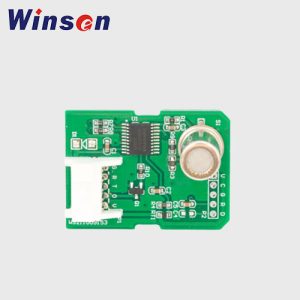
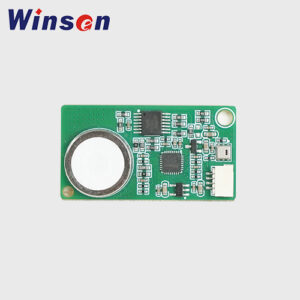
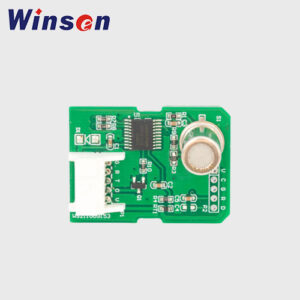
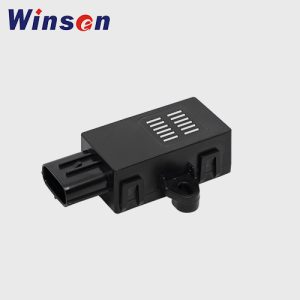
- Wykrywanie czynnika chłodniczego NDIR/IR jest powszechnie wybierany do systemów wykrywania czynnika chłodniczego A2L, ponieważ może ukierunkować właściwości absorpcji czynnika chłodniczego i wspierać logikę stabilnych progów. (Dlatego wiele odniesień A2L RDS koncentruje się na „systemie + kalibracji + dryfie”).
- Wykrywanie perełki katalitycznej (%LEL). jest szeroko stosowany w przypadku gazów palnych, ale wymaga ostrożnego postępowania w przypadku zatrucia/starzenia i strategii kalibracji.
- Błędne zachowanie ma znaczenie: w przypadku stosowania pętli bezpieczeństwa należy określić, co zrobi sprzęt w przypadku awarii detektora (stan bezpieczny).

10) Lista kontrolna gotowa do sprawdzenia zgodności
Wybierając rozwiązanie do wykrywania czynnika chłodniczego na wymianę, należy udokumentować:
- Czynnik(i) chłodniczy i klasa bezpieczeństwa (A1/A2L/A3)
- Podstawa progowa: RCL (maszynownia A1) lub %LFL (A2L/A3)
- Próg aktywacji: np., ≤25% LFL (pętla bezpieczeństwa A2L)
- Wymóg czasu reakcji w zdefiniowanym progu
- Wyniki łagodzenia: wentylacja, zawór odcinający, wyłączenie sprężarki, alarmy
- Plan rozmieszczenia zgodnie z logiką EN 378 (niska/wysoka w oparciu o gęstość)
- Plan konserwacji: interwał kalibracji, obsługa dryftu, dostęp do wymiany czujnika
Często zadawane pytania
Czy przejście z R-134a na R-513A zmienia wymagania dotyczące wykrywania?
Zwykle mniej niż przejście na format A2L/A3. Jeśli zostaniesz A1wykrywanie jest zwykle oparte na zasadach panujących w maszynowni, takich jak wartość zadana ≤ RCL i integrację wentylacji.
Dlaczego zamienniki A2L wymagają logiki „25% LFL”?
Ponieważ celem jest wywołanie łagodzenia zanim mieszanina czynnika chłodniczego i powietrza zbliża się do łatwopalności. Wytyczne UL opisują poniżej aktywację 25% LFL jako współczynnik bezpieczeństwa 4× i łączy wykrywanie z urządzeniami łagodzącymi, takimi jak wentylatory.
Co jest specjalnego w „2L” w formacie A2L?
Czynniki chłodnicze A2L mają niska prędkość spalania—ASHRAE 34 definiuje podklasę 2L za pomocą maksymalna prędkość spalania ≤ 10 cm/s, co pomaga kształtować wymagania dotyczące kodu.
Jak należy rozmieścić detektory w przypadku czynników chłodniczych, w których może gromadzić się niewielka ilość?
Wytyczne EN 378 umieszczają detektory w najniższych punktach dla czynników chłodniczych cięższy od powietrza i kładzie nacisk na alarmy i wentylację awaryjną w maszynowniach.
Czy R32 jest „mniej ryzykowny” niż R290 pod względem progów palności?
Często przytacza się LFL R32 14–14,4% obj, podczas gdy propan (R290) jest w pobliżu 2,1% obj, co oznacza, że R290 osiąga palność przy znacznie niższym stężeniu.
Wniosek
Jeśli przechodzisz na czynnik chłodniczy o niższym GWP, potraktuj wykrywanie wycieków jako część procesu architekturę bezpieczeństwa systemu, a nie samodzielny komponent. Właściwe podejście rozpoczyna się od klasy bezpieczeństwa czynnika chłodniczego (A1/A2L/A3), następnie odnosi się do progów RCL lub %LFL, czasu reakcji, rozmieszczenia i kontroli łagodzących.

