
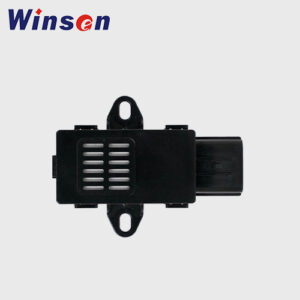
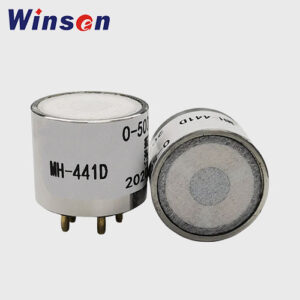
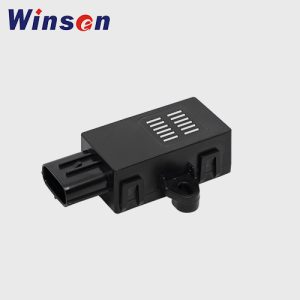
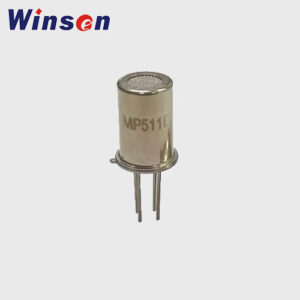
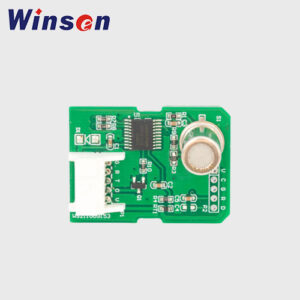
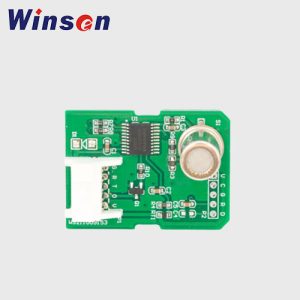
AC Refrigerant Sensor (Leak Detector) — Split/VRF • Central AC • Heat Pump
Winsen® electronic AC leak sensors provide continuous, fixed monitoring for air-conditioning refrigerants across residential and commercial buildings. We support A1 (R134a, R410A, R404A), A2L (R32, R454B, R1234yf/ze) and A3 (R290, R600a) വാതകങ്ങൾ. തിരഞ്ഞെടുക്കുക N ആണ് ppm മുൻകൂർ മുന്നറിയിപ്പ് അല്ലെങ്കിൽ MOS/IR-LEL %LEL സുരക്ഷാ ഇൻ്റർലോക്കുകൾക്കായി—BMS/PLC വഴി തയ്യാറാണ് 4-20 എം.എ, RS-485 മോഡ്ബസ്, റിലേ ഔട്ട്പുട്ടുകൾ.
- A1 / A2L / A3 Coverage
- NDIR ppm & MOS %LEL
- OEM/ODM • ബൾക്ക് ഓർഡറുകൾ
- വേഗത്തിലുള്ള ലീഡ് സമയം


Pick by Refrigerant Class & Measurement
A1 (R410A / R134a) — NDIR PPM
- സാധാരണ ശ്രേണികൾ: 0–1,000 / 0–5,000 ppm
- ഔട്ട്പുട്ടുകൾ: 4-20 mA, RS-485 മോഡ്ബസ്, 1-2 റിലേകൾ
- T90 ≤ 30 സെക്കൻ്റ് • കുറഞ്ഞ ഡ്രിഫ്റ്റ്, ദീർഘായുസ്സ്
A2L (R32 / R454B / R1234yf/ze) — NDIR PPM / %LEL
- PPM മുൻകൂർ മുന്നറിയിപ്പ് കൂടാതെ/അല്ലെങ്കിൽ 0–100% LFL/LEL
- 4-20 mA / RS-485 / റിലേകൾ
- VRF/VRV rooms & hotel guestrooms
A3 (R290 / R600a) — %LEL Safety
- Range: 0–100% LEL (IR-LEL or MOS)
- Relays for ventilation & shutdown interlocks
- IP options for plant/mechanical rooms
What is an AC Refrigerant Sensor?
An AC refrigerant sensor is a fixed, electronic detector installed near AC equipment to measure refrigerant concentration and automatically trigger alarms കൂടെ interlocks (ventilation, unit shutdown). It complements handheld sniffers used by technicians for pinpoint leak search.
NDIR റഫ്രിജറൻ്റ് സെൻസർ
അർദ്ധചാലക റഫ്രിജറൻ്റ് സെൻസർ
സാങ്കേതിക ഓപ്ഷനുകൾ
| സാങ്കേതികവിദ്യ | മികച്ചത് | പരിധി | പ്രയോജനങ്ങൾ | പരിഗണനകൾ |
|---|---|---|---|---|
| NDIR (ഇൻഫ്രാറെഡ്) | A1 ppm; A2L ppm/%LEL | ppm → %LEL | High selectivity & stability; not O₂-dependent; long life | Protect optics from condensation/dust (filters/enclosures) |
| MOS (അർദ്ധചാലകം) | A2L/A3%LEL | 0-100% LEL | വേഗത്തിലുള്ള പ്രതികരണം; ദൃഢമായ; ചെലവ് കുറഞ്ഞ | Possible cross-sensitivities; periodic calibration advised |
| കാറ്റലറ്റിക് ബീഡ് | ജനറൽ ഹൈഡ്രോകാർബണുകൾ (A3) | 0-100% LEL | Mature technology | O₂ ആവശ്യമാണ്; സിലിക്കണുകൾ/ലെഡ് വിഷബാധയുണ്ടാക്കാം |
സാധാരണ ആപ്ലിക്കേഷനുകൾ

Split/VRF indoor units & hotel rooms
ഇൻഡോർ യൂണിറ്റുകൾക്കും പൂളിംഗ് പോയിൻ്റുകൾക്കും സമീപം മൌണ്ട് ലോ (ഫ്ലോറിനു മുകളിൽ ~ 150-300 മില്ലിമീറ്റർ). പ്രീ-അലാറം → ശുദ്ധവായു ശുദ്ധീകരണം; പ്രധാന അലാറം → ഫാൻ/ഇൻഡോർ യൂണിറ്റ് ഷട്ട്ഡൗൺ.

Central AC (AHU/MAU) & mechanical rooms
Place near coils, TXVs, service valves, and floor low spots/sumps; use IP-rated housings and BMS interlocks.

Line sets & evaporator/condenser sections
Monitor around brazed joints, manifolds; avoid strong supply streams that could bypass the sensor.

Heat pumps
For A2L systems, use %LFL tiers (≈25% pre-alarm; ≈50% main) to trigger ventilation and safe shutdown.
കോർ സ്പെസിഫിക്കേഷനുകൾ
| പരാമീറ്റർ | മൂല്യം / ഓപ്ഷൻ |
|---|---|
| അളക്കൽ | NDIR ppm and/or %LFL (MOS/IR-LEL) |
| ഔട്ട്പുട്ടുകൾ | 4-20 mA (2/3-വയർ), RS-485 മോഡ്ബസ് RTU, 1-2 റിലേകൾ (N.O./N.C.) |
| പ്രതികരണ സമയം (T90) | ≤ 20-30 സെക്കൻഡ് സാധാരണ |
| Supply | 12–24 VDC (മറ്റുള്ളവ അഭ്യർത്ഥന പ്രകാരം) |
| പ്രവർത്തന വ്യവസ്ഥകൾ | -20...+50 °C; 15–95% RH നോൺ-കണ്ടൻസിങ് (മോഡൽ-ആശ്രിതം) |
| എൻക്ലോസറുകൾ | മതിൽ, പാനൽ, നാളം; IP65 വരെയുള്ള ഭവനങ്ങൾ |
| പാലിക്കൽ | CE & RoHS; designed for BMS/PLC integration |
Placement & Setpoints — Good Practice
- മൗണ്ടിംഗ് ഉയരം: Most AC refrigerants are heavier than air ⇒ mount low; verify with site airflow.
- കവറേജ്: തുറന്ന മുറികളിൽ സെൻസറിന് ~ 5-10 മീറ്റർ ദൂരം; വാൽവുകൾ/സന്ധികൾ, ലോ പോക്കറ്റുകൾ എന്നിവയ്ക്ക് സമീപം യൂണിറ്റുകൾ ചേർക്കുക.
- അലാറങ്ങൾ: A2L/A3: പ്രീ-അലാറം ≈25% LFL; പ്രധാന ≈50% LFL. A1: ppm ബാൻഡുകൾ (ഉദാ., 1,000–5,000 ppm) ഓരോ പ്രോജക്റ്റ് സ്പെസിഫിക്കേഷനും.
- ഇൻ്റർലോക്കുകൾ: Pre-alarm → ventilation; Main → equipment shutdown + beacons/horns/BMS event.
നിങ്ങളുടെ പ്രോജക്റ്റ് സ്പെസിഫിക്കേഷനും പ്രാദേശിക കോഡുകൾക്കും എതിരായ പരിധികളും അളവുകളും അന്തിമമാക്കുക.
എന്തുകൊണ്ടാണ് ആഗോള ഉപഭോക്താക്കൾ ഞങ്ങളെ തിരഞ്ഞെടുക്കുന്നത്?
"ഫൈൻ ക്രാഫ്റ്റ്സ്മാൻഷിപ്പ്, ശാസ്ത്രീയ നവീകരണം, മികവിൻ്റെ പിന്തുടരൽ, മൂല്യവർദ്ധിത സേവനം" എന്നിവയുടെ ഗുണനിലവാര നയം കമ്പനി സ്ഥിരമായി പാലിക്കുന്നു. പ്രൊഡക്ഷൻ പ്രോസസ് കൺട്രോൾ പ്ലാനുകളും വർക്ക് നിർദ്ദേശങ്ങളും രൂപപ്പെടുത്തുന്നതിലൂടെ, അത് ഒരു സ്റ്റാൻഡേർഡ്, ഉത്തരവാദിത്തമുള്ള, നിയന്ത്രിത പ്രോസസ്സ് മാനേജ്മെൻ്റ് സിസ്റ്റം സ്ഥാപിച്ചു. കൂടാതെ, കമ്പനി സ്വതന്ത്രമായി ഒരു MES പ്രൊഡക്ഷൻ മാനേജ്മെൻ്റ് സിസ്റ്റം വികസിപ്പിച്ചെടുത്തു, മുഴുവൻ വർക്ക്ഫ്ലോയിലുടനീളം സമഗ്രവും ദൃശ്യവുമായ മാനേജ്മെൻ്റ് സാധ്യമാക്കുന്നു.

30+ വർഷത്തെ പരിചയം
R&D, manufacture and sales of sensors and sensing solutions.
ഗുണനിലവാര ഗ്യാരണ്ടി തുടർച്ചയായ മെച്ചപ്പെടുത്തൽ
കാര്യമായ മെച്ചപ്പെടുത്തലുകളോടൊപ്പം സമ്പൂർണ്ണവും കർക്കശവുമായ പ്രോസസ്സ് ഫ്ലോ നിയന്ത്രണം.


ഇൻ്റർനാഷണൽ മാർക്കറ്റ്
100-ലധികം രാജ്യങ്ങളിലേക്കും പ്രദേശങ്ങളിലേക്കും സെൻസിംഗ് ഉൽപ്പന്നങ്ങൾ എത്തിക്കുക.
സ്ഥിരമായ വിതരണ ശൃംഖല വിശ്വസനീയമായ ഉൽപ്പാദനം
നിയന്ത്രണങ്ങൾക്ക് വിധേയമല്ലാത്ത പ്രധാന ഘടകങ്ങൾ, നിർമ്മാണത്തിനും പരിശോധനയ്ക്കുമുള്ള നൂതന ഉപകരണങ്ങൾ.


R&D STRENGTH TECHNOLOGY INNOVATION
200+ patents, 180+ R&D team members, self-built labs for continous innovation.
ഏകജാലക സേവനം
പ്രൊഫഷണൽ കൺസൾട്ടേഷൻ, ഫാസ്റ്റ് ഡെലിവറി, 24 മണിക്കൂർ വിൽപ്പനാനന്തര പിന്തുണ.

Leading the Industry, Innovative & Controllable Technology
With robust R&D capabilities, we maintain sustained input in R&D and unwavering commitment to technological innovation. This not only ensures that we remain at the forefront of industry but also drives continuous innovation, leading the future trend of the sensing industry.

10% R&D Input
The average annual R&D input exceeds 10% of the annual revenue.
5+ R&D Layout
With Zhengzhou headquarters as the core, a nationwide R&D and innovation system is being established, encompassing cities of Shanghai, Wuhan, Shenzhen, and Taiyuan.
180+ R&D Team
There are over 180 R&D personnel, including more than 10 with doctoral degrees and over 50 with master's degrees, who have an average of more than 8 years of experience in sensor development.
20+ പരീക്ഷണ തരങ്ങൾ
വാതകവുമായി ബന്ധപ്പെട്ട, കാലാവസ്ഥാ പരിസ്ഥിതി, EMC, ഇലക്ട്രിക്കൽ പ്രകടനം, മെക്കാനിക്കൽ പ്രകടനം മുതലായവ.
10+ നൂതന ലബോറട്ടറികൾ
CNAS ലബോറട്ടറി, MEMS ലബോറട്ടറി, UL ലബോറട്ടറി, നാനോകോംപോസിറ്റ് മെറ്റീരിയൽസ് ലബോറട്ടറി തുടങ്ങിയവ.
400+ sets Leading R&D Equipment
ക്യൂബ് സ്റ്റോറേജ്, ഡൈ ബോണ്ടർ, ലിത്തോഗ്രഫി മെഷീൻ, കോട്ടിംഗ് മെഷീൻ, SMT പ്ലേസ്മെൻ്റ് മെഷീൻ, ഓട്ടോമാറ്റിക് പ്രോബ് സ്റ്റേഷൻ മുതലായവ.
കൺസൾട്ടേഷൻ അഭ്യർത്ഥിക്കുക
FAQs — Freon Gas Sensors
How many sensors are needed in a guestroom or office?
Plan ~5–10 m radius coverage per sensor in open rooms. Add units near indoor units, valves, joints, and floor-level pockets where gas can accumulate. Irregular layouts typically need more sensors.
Should I choose ppm or %LEL measurement?
Use ppm (NDIR) for early warning and comfort/process monitoring; use %LEL (MOS or IR-LEL) to drive safety interlocks for A2L/A3 systems. Many projects deploy both.
Where exactly should sensors be mounted?
Most AC refrigerants are denser than air; mount low (≈150–300 mm AFF) near likely leak sources and pooling points. Avoid strong supply air. Duct/return versions can monitor airflow.
How often do I need calibration and bump tests?
Typical calibration is every 12–24 months with periodic bump tests (quarterly/biannual). Dusty/humid or aerosol-rich sites may need more frequent checks and filter maintenance.
What causes false alarms or cross-sensitivity?
Solvents/aerosols (silicone sprays, alcohol cleaners, paints) can affect semiconductor elements; heavy condensation/dust can obstruct optics. Use IP-rated housings, splash/dust guards, and good placement.
Can Winsen customize for OEM/volume rollouts?
Yes—ranges, firmware/Modbus mapping, connectors/harnesses, housings (IP), labels/branding, and packaging are customizable for volume deployments.