




Nezināt Kurš sensors Vai ir taisnība?
Saņemiet bezmaksas sākotnējo konsultāciju tūlīt

In response to environmental and regulatory pressures, the HVAC and refrigeration industries have increasingly turned to dabīgie dzesētāji un low-GWP synthetic refrigerants. Among them, A3 refrigerants stand out due to their nulles ozona noārdīšanas potenciāls (ODP) un extremely low global warming potential (GWP). However, they are classified as highly flammable, which introduces serious safety considerations.
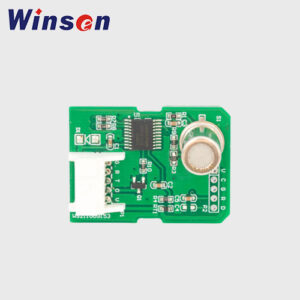
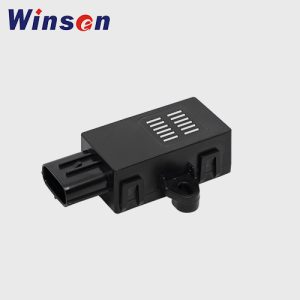
To mitigate the risks associated with A3 refrigerants, gas detection sensors play a critical role. These sensors enable real-time monitoring, leak detection, and integration with control systems to prevent accidents and ensure compliance with international safety standards.
This article explores the technical foundations, sensor types, applications, and regulatory requirements for A3 refrigerant detection systems in detail.
The American Society of Heating, Refrigerating and Air-Conditioning Engineers (ASHRAE) classifies refrigerants based on:
Thus, A3 refrigerants are those that are zema toksicitāte un highly flammableApvidū
| Dzesētājs | Ķīmiskais nosaukums | GWP | Vārīšanās punkts (°C) | Pieteikumi |
|---|---|---|---|---|
| R-290 | Propāns | ~3 | -42.1 | Domestic/commercial refrigeration, A/C |
| R-600a | Isobutane | ~3 | -11.7 | Household refrigerators |
| R-1270 | Propylene (propylene) | ~2 | -47.7 | Rūpnieciskie dzesētāji |
| R-170 | Ethane | ~5 | -88.6 | Cryogenics, ultra-low temp |
| R-1150 | Ethylene | ~1 | -103.7 | Specialized cooling systems |
These refrigerants offer exceptional thermodynamic performance and climate benefits, making them attractive alternatives to HFCs and HCFCs.
A3 refrigerants have:
These properties mean that even small leaks in confined or poorly ventilated areas can lead to ugunsgrēks vai sprādziens risks.
Due to the high flammability of A3 refrigerants, international and national codes require:
Regulatory bodies include:
Sensors are essential for:
Darba princips: Measures change in resistance due to oxidation of flammable gas on a catalytic surface.
Darba princips: Detects gas via infrared absorption at characteristic wavelengths.
Darba princips: Gas interaction with semiconductor surface changes its resistance.
| Parametrs | Typical Range / Value |
|---|---|
| Atklāšanas diapazons | 0–100% LFL |
| Izšķirtspēja | 100 ppm or 1% LFL |
| Reakcijas laiks (T90) | <30 seconds |
| Precizitāte | ±5% of full scale |
| Darba temp | -20°C to +55°C |
| Mitruma diapazons | 0-95% RH (nekondensējošs) |
| Izejas signāls | 4–20 mA, Modbus, RS485, Relay |
| Visu mūžu | 3–10 years (technology-dependent) |
| Apliecība | ATEX, UL, IECEx, CE |
Since A3 refrigerants are heavier than air, detectors should be:
| Standarta | Relevance |
|---|---|
| IEC 60335-2-89 | Commercial refrigeration equipment |
| IEC 60335-2-40 | Heat pumps and A/C systems |
| 378. gadā | Refrigerating systems and safety |
| ISO 5149 | Safety and environmental requirements |
| ASHRAE 15 & 34 | Classification and safety |
| UL 60335 | North American safety standards |
| ATEX / IECEx | Explosive atmosphere certification |
| Izvades tips | Mērķis |
|---|---|
| Analog (4–20 mA / 0–10 V) | Integration with PLCs, HVAC controls |
| RS485 / MODBUS | Multi-sensor networks, diagnostics |
| Releja izejas | Triggers alarms, fans, solenoids |
| IoT (LoRa, ZigBee, NB-IoT) | Cloud and remote monitoring |
| LED Indicators | Local visual feedback |
Smart sensors often offer:
| Izaicinājums | Mitigation Strategy |
|---|---|
| Sensor poisoning | Use poison-resistant catalytic sensors |
| High humidity environments | Choose sensors rated for 95% RH |
| Cross-sensitivity with VOCs | Use NDIR or filtered sensors |
| False alarms from cooking gases | Adjust alarm thresholds and response logic |
| Mechanical damage (vibration) | Use ruggedized housings |
| Harsh industrial environments | IP65/IP66 enclosures, temperature ratings |
Scenario: A large supermarket chain adopts propane (R-290) in walk-in cold rooms.
Implementation:
Outcome:
Because of their high flammability, low ignition energy, and high flame speed. Proper leak detection is essential for safe use.
NDIR and catalytic bead sensors are both effective. NDIR offers higher specificity, while catalytic sensors are faster and more cost-efficient.
Yes. Catalytic and MOS sensors should be calibrated every 6–12 months. NDIR may require less frequent adjustment.
Yes, with proper IP-rated enclosures un weather protection, they can operate in outdoor condensing units or rooftop systems.
In many jurisdictions, yes, especially when refrigerant charge exceeds limits specified in IEC 60335 or ASHRAE 15.
A3 refrigerants offer unparalleled environmental benefits, but their high flammability demands serious attention to safety. A3 refrigerant detection sensors are indispensable components in modern refrigeration and air conditioning systems. From residential units to commercial cold chains, these sensors play a vital role in preventing accidents, ensuring compliance, and supporting the transition to sustainable cooling.
Whether based on Ir nVerdzība catalytic bead, or MOS technologies, the right sensor, installed correctly and maintained regularly, provides peace of mind and operational safety. As natural refrigerants gain ground globally, robust gas detection infrastructure will be key to unlocking their full potential.
Saņemiet bezmaksas sākotnējo konsultāciju tūlīt
Profesionāls aģents palīdzēs jums atrast rūpnīcas, iegūt labākās cenas, Visi bez maksas !!!
Satura rādītājs
×