
HVAC Leak Sensor | Refrigerant Leak Detector | Winsen®

HVAC Leak Sensor (Refrigerant Leak Detector) for VRF/VRV, Chillers & Heat Pumps

Winsen® HVAC leak sensors provide continuous monitoring of A1, A2L, and A3 refrigerants across hotels, offices, data centers, supermarkets, and industrial plants. Choose N ಆಗಿದೆ for ppm early warning and MOS/NDIR for %LEL safety alarms—ready for BMS/PLC via 4-20 mA, RS-485 Modbus, ಮತ್ತು relay outputs.

Why an HVAC Leak Sensor?

  • Early warning: Detect ppm-level leaks before nuisance trips or occupancy impact.
  • Safety interlocks: Use %LFL thresholds to trigger ventilation and equipment shutdown.
  • Compliance support: Implement good-practice monitoring for VRF hotels, chiller rooms, and public spaces.
  • BMS/PLC integration: Standard analog, Modbus, and relay outputs fit existing control schemes.

Complete coverage of A1/A2L/A3 refrigerants

NDIR (ppm) & MOS/NDIR (LEL) technologies

4–20 mA / RS-485 Modbus / Relay outputs

OEM customization (range, outputs, connector, enclosure)

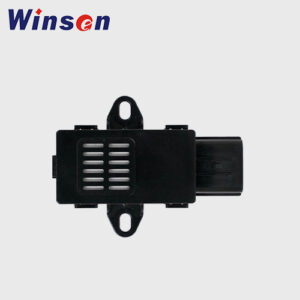
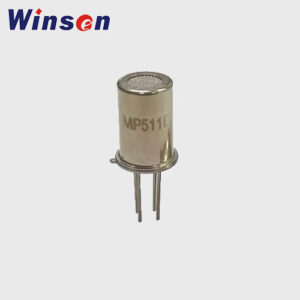
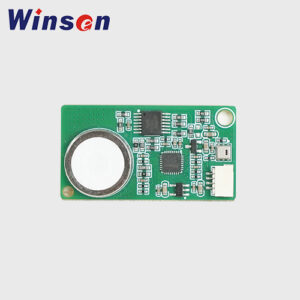
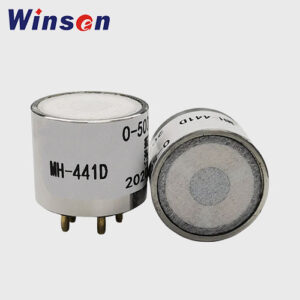
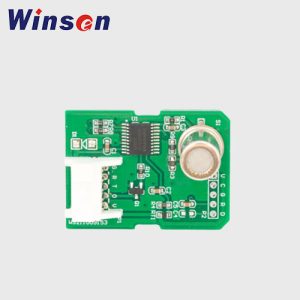
NDIR ರೆಫ್ರಿಜರೆಂಟ್ ಸಂವೇದಕ

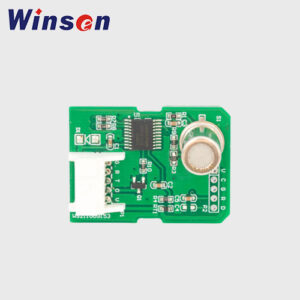
ಸೆಮಿಕಂಡಕ್ಟರ್ ರೆಫ್ರಿಜರೆಂಟ್ ಸೆನ್ಸರ್

Technology Comparison

ತಂತ್ರಜ್ಞಾನಅತ್ಯುತ್ತಮ ಫಾರ್ಶ್ರೇಣಿಅನುಕೂಲಗಳುಪರಿಗಣನೆಗಳು
N ಆಗಿದೆA1 ppm; A2L ppm/%LELppm → %LELHigh selectivity, low drift, long lifeHigher upfront cost; avoid heavy condensation/dust (use filters/enclosures)
MOSA2L/A3 %LEL0–100% LELFast response, robust, cost-effectiveCross-sensitivity; periodic calibration recommended
Catalytic BeadGeneral hydrocarbons0–100% LELMature, widely usedNeeds O₂; can be poisoned by silicones/lead

Placement & Setpoints (HVAC Good Practice)

  • ಆರೋಹಿಸುವಾಗ ಎತ್ತರ: Most refrigerants are heavier than air → mount low; verify with room airflow.
  • Coverage: Typical radius 5–10 m per sensor in open rooms; add units near likely sources (valves, joints).
  • ಸೆಟ್‌ಪಾಯಿಂಟ್‌ಗಳು: A2L/A3 often use %LFL bands (e.g., pre-alarm ~25% LFL; main ~50% LFL). A1 commonly uses ppm tiers (e.g., 1,000–5,000 ppm depending on design).
  • Interlocks: Pre-alarm → ventilation; Main alarm → equipment shutdown + alarm notification.

Finalize thresholds and quantities against your project specification and local codes.

ವಿಶಿಷ್ಟ HVAC ಅಪ್ಲಿಕೇಶನ್‌ಗಳು

VRF/VRV indoor units & hotel rooms

ಒಳಾಂಗಣ ಘಟಕಗಳು ಮತ್ತು ಪೂಲಿಂಗ್ ಪಾಯಿಂಟ್‌ಗಳ ಬಳಿ ಕಡಿಮೆ (ಮಹಡಿಯಿಂದ ~ 150-300 ಮಿಮೀ) ಮೌಂಟ್ ಮಾಡಿ. ಫ್ಯಾನ್ ಸ್ಥಗಿತಗೊಳಿಸುವಿಕೆ ಮತ್ತು ತಾಜಾ ಗಾಳಿಯ ಶುದ್ಧೀಕರಣಕ್ಕೆ ಅಲಾರಂಗಳನ್ನು ಕಟ್ಟಿಕೊಳ್ಳಿ; ಪ್ರತಿ ಸ್ಪೆಕ್‌ಗೆ ppm ಅಥವಾ %LEL ಸೆಟ್‌ಪಾಯಿಂಟ್‌ಗಳನ್ನು ಆಯ್ಕೆಮಾಡಿ.

Chiller & machinery rooms, compressor racks

ಕಂಪ್ರೆಸರ್‌ಗಳು, ತೈಲ ವಿಭಜಕಗಳು, ಕವಾಟಗಳು ಮತ್ತು ಕಡಿಮೆ ಸ್ಥಳಗಳು/ಸಂಪ್‌ಗಳ ಬಳಿ ಇರಿಸಿ. IP-ರೇಟೆಡ್ ಆವರಣಗಳು ಮತ್ತು BMS ಇಂಟರ್‌ಲಾಕ್‌ಗಳನ್ನು ಬಳಸಿ: ಪೂರ್ವ ಎಚ್ಚರಿಕೆ → ಶುದ್ಧೀಕರಣ; ಮುಖ್ಯ ಎಚ್ಚರಿಕೆ → ಟ್ರಿಪ್ ಸಸ್ಯ.

Cold storage & refrigerated display cases

ಪ್ರಕರಣಗಳ ಅಡಿಯಲ್ಲಿ ಮತ್ತು ಮ್ಯಾನಿಫೋಲ್ಡ್ಸ್/ಪೈಪ್ ರನ್ಗಳ ಉದ್ದಕ್ಕೂ ಸ್ಥಾಪಿಸಿ. ಕಡಿಮೆ-ತಾಪಮಾನ, ಘನೀಕರಣ-ನಿರೋಧಕ ವಸತಿಗಳನ್ನು ಆಯ್ಕೆಮಾಡಿ; ಅಲಾರಮ್‌ಗಳು ಸಾರವನ್ನು ಪ್ರಾರಂಭಿಸಬಹುದು ಮತ್ತು ರಾತ್ರಿ ಪರದೆಗಳನ್ನು ಮುಚ್ಚಬಹುದು.

ಡೇಟಾ ಸೆಂಟರ್ ಇನ್-ರೋ/CRAC ಘಟಕಗಳು

ರಿಟರ್ನ್-ಏರ್ ಪಥಗಳಲ್ಲಿ ಸ್ಥಾನ, ಎತ್ತರಿಸಿದ ಮಹಡಿಗಳ ಕೆಳಗೆ ಮತ್ತು ಸುರುಳಿಗಳ ಬಳಿ. PPM ಮುಂಚಿನ ಎಚ್ಚರಿಕೆ ಸಿಬ್ಬಂದಿ ಮತ್ತು ಸಮಯವನ್ನು ರಕ್ಷಿಸುತ್ತದೆ; ಸ್ಥಗಿತಗೊಳಿಸುವಿಕೆ ಮತ್ತು ವಾತಾಯನ ಅತಿಕ್ರಮಣವನ್ನು ಸಂಯೋಜಿಸಿ.

Heat pump & general HVAC equipment

A2L/A3 ಗಾಗಿ, ಕಂಪ್ರೆಸರ್‌ಗಳು/ವಾಲ್ವ್‌ಗಳ ಬಳಿ ಮತ್ತು ಪ್ರತಿಯಾಗಿ ಗಾಳಿಯಲ್ಲಿ ಮಾನಿಟರ್ ಮಾಡಿ; ಸುರಕ್ಷಿತ ಶಟ್‌ಡೌನ್‌ಗಾಗಿ %LFL ಇಂಟರ್‌ಲಾಕ್‌ಗಳನ್ನು ಬಳಸಿ. ಹೊರಾಂಗಣ ಘಟಕಗಳಿಗೆ ಹವಾಮಾನ ನಿರೋಧಕ ವಸತಿಗಳು.

ಪ್ರಮುಖ ವಿಶೇಷಣಗಳು (ವಿಶಿಷ್ಟ)

ಪ್ಯಾರಾಮೀಟರ್ಮೌಲ್ಯ / ಆಯ್ಕೆ
ವಿದ್ಯುತ್ ಸರಬರಾಜು12–24 VDC (ಇತರರು ಕೋರಿಕೆಯ ಮೇರೆಗೆ)
ಔಟ್ಪುಟ್ಗಳು4–20 mA (2/3-wire), RS-485 Modbus RTU, 1–2× relays (N.O./N.C.)
Measurement Rangesppm (NDIR) and/or %LEL (MOS/NDIR), customizable by gas
ಪ್ರತಿಕ್ರಿಯೆ ಸಮಯ (T90)≤ 20-30 ಸೆ ವಿಶಿಷ್ಟ
Operating Temp/Humidity-20 to +50 °C; 15–95% RH non-condensing (model dependent)
Ingress ProtectionUp to IP65 with optional enclosure
ಅನುಸರಣೆCE, RoHS; designed for integration with BMS/PLC

ಸಂವೇದಕ ತಂತ್ರಜ್ಞಾನಗಳು: NDIR vs. MOS

ವೈಶಿಷ್ಟ್ಯNDIR (ಅತಿಗೆಂಪು)MOS (ಸೆಮಿಕಂಡಕ್ಟರ್)
ನಿಖರತೆಅಧಿಕ (± 2% FS)ಮಧ್ಯಮ (±5% FS)
ಪ್ರತಿಕ್ರಿಯೆ ಸಮಯ1-3 ಸೆಕೆಂಡುಗಳು<1 second
ವಿದ್ಯುತ್ ಬಳಕೆ<25 mW<50 mW
ಜೀವಮಾನ>5 years2-3 ವರ್ಷಗಳು
ವೆಚ್ಚಹೆಚ್ಚಿನದುಕಡಿಮೆ
ಅತ್ಯುತ್ತಮ ಬಳಕೆSafety-critical HVAC & commercialಕಡಿಮೆ ವೆಚ್ಚದ ಉಪಕರಣಗಳು

ಒಮಾನ್‌ಗೆ ಶಿಫಾರಸು:
ದೊಡ್ಡ ಪ್ರಮಾಣದ ಮತ್ತು ಸುರಕ್ಷತೆ-ನಿರ್ಣಾಯಕ ವ್ಯವಸ್ಥೆಗಳಿಗಾಗಿ ಜಿಲ್ಲೆಯ ಕೂಲಿಂಗ್, ಹೋಟೆಲ್‌ಗಳು ಮತ್ತು ಕೋಲ್ಡ್ ಸ್ಟೋರೇಜ್, ಆಯ್ಕೆ NDIR ತಂತ್ರಜ್ಞಾನ. ಗೃಹೋಪಯೋಗಿ ವಸ್ತುಗಳು ಮತ್ತು ಕಡಿಮೆ ಬೆಲೆಯ ಉತ್ಪನ್ನಗಳಿಗೆ, MOS ಸಂವೇದಕಗಳು ವೆಚ್ಚ-ಪರಿಣಾಮಕಾರಿ ಪರ್ಯಾಯವನ್ನು ಒದಗಿಸಿ.

ಜಾಗತಿಕ ಗ್ರಾಹಕರು ನಮ್ಮನ್ನು ಏಕೆ ಆಯ್ಕೆ ಮಾಡುತ್ತಾರೆ?

ಕಂಪನಿಯು "ಉತ್ತಮ ಕರಕುಶಲತೆ, ವೈಜ್ಞಾನಿಕ ನಾವೀನ್ಯತೆ, ಶ್ರೇಷ್ಠತೆಯ ಅನ್ವೇಷಣೆ ಮತ್ತು ಮೌಲ್ಯವರ್ಧಿತ ಸೇವೆಯ" ಗುಣಮಟ್ಟದ ನೀತಿಯನ್ನು ಸ್ಥಿರವಾಗಿ ಅನುಸರಿಸುತ್ತದೆ. ಉತ್ಪಾದನಾ ಪ್ರಕ್ರಿಯೆ ನಿಯಂತ್ರಣ ಯೋಜನೆಗಳು ಮತ್ತು ಕೆಲಸದ ಸೂಚನೆಗಳನ್ನು ರೂಪಿಸುವ ಮೂಲಕ, ಇದು ಪ್ರಮಾಣಿತ, ಜವಾಬ್ದಾರಿಯುತ ಮತ್ತು ನಿಯಂತ್ರಿತ ಪ್ರಕ್ರಿಯೆ ನಿರ್ವಹಣಾ ವ್ಯವಸ್ಥೆಯನ್ನು ಸ್ಥಾಪಿಸಿದೆ. ಹೆಚ್ಚುವರಿಯಾಗಿ, ಕಂಪನಿಯು ಸ್ವತಂತ್ರವಾಗಿ MES ಉತ್ಪಾದನಾ ನಿರ್ವಹಣಾ ವ್ಯವಸ್ಥೆಯನ್ನು ಅಭಿವೃದ್ಧಿಪಡಿಸಿದೆ, ಸಂಪೂರ್ಣ ಕೆಲಸದ ಹರಿವಿನಾದ್ಯಂತ ಸಮಗ್ರ ಮತ್ತು ದೃಶ್ಯ ನಿರ್ವಹಣೆಯನ್ನು ಸಕ್ರಿಯಗೊಳಿಸುತ್ತದೆ.

30+ ವರ್ಷಗಳ ಅನುಭವ

R&D, manufacture and sales of sensors and sensing solutions.

ಗುಣಮಟ್ಟದ ಗ್ಯಾರಂಟಿ ನಿರಂತರ ಸುಧಾರಣೆ

ಸಂಪೂರ್ಣ ಮತ್ತು ಕಟ್ಟುನಿಟ್ಟಾದ ಪ್ರಕ್ರಿಯೆಯ ಹರಿವಿನ ನಿಯಂತ್ರಣ, ಗಮನಾರ್ಹ ಸುಧಾರಣೆಗಳೊಂದಿಗೆ.

ಅಂತರಾಷ್ಟ್ರೀಯ ಮಾರುಕಟ್ಟೆ

100 ಕ್ಕೂ ಹೆಚ್ಚು ದೇಶಗಳು ಮತ್ತು ಪ್ರದೇಶಗಳಿಗೆ ಸಂವೇದನಾ ಉತ್ಪನ್ನಗಳನ್ನು ತಲುಪಿಸಿ.

ಸ್ಥಿರ ಪೂರೈಕೆ ಸರಪಳಿ ವಿಶ್ವಾಸಾರ್ಹ ಉತ್ಪಾದನೆ

ಕೋರ್ ಘಟಕಗಳು ನಿರ್ಬಂಧಗಳಿಗೆ ಒಳಪಡುವುದಿಲ್ಲ, ತಯಾರಿಕೆ ಮತ್ತು ಪರೀಕ್ಷೆಗಾಗಿ ಸುಧಾರಿತ ಉಪಕರಣಗಳು.

R&D STRENGTH TECHNOLOGY INNOVATION

200+ patents, 180+ R&D team members, self-built labs for continous innovation.

ಏಕ-ನಿಲುಗಡೆ ಸೇವೆ

ವೃತ್ತಿಪರ ಸಮಾಲೋಚನೆ, ವೇಗದ ವಿತರಣೆ, 24 ಗಂಟೆಗಳ ನಂತರ ಮಾರಾಟದ ಬೆಂಬಲ.

Leading the Industry, Innovative & Controllable Technology

With robust R&D capabilities, we maintain sustained input in R&D and unwavering commitment to technological innovation. This not only ensures that we remain at the forefront of industry but also drives continuous innovation, leading the future trend of the sensing industry.

10% R&D Input

The average annual R&D input exceeds 10% of the annual revenue.

5+ R&D Layout

With Zhengzhou headquarters as the core, a nationwide R&D and innovation system is being established, encompassing cities of Shanghai, Wuhan, Shenzhen, and Taiyuan.

180+ R&D Team

There are over 180 R&D personnel, including more than 10 with doctoral degrees and over 50 with master's degrees, who have an average of more than 8 years of experience in sensor development.

20+ ಪ್ರಯೋಗ ವಿಧಗಳು

ಅನಿಲ-ಸಂಬಂಧಿತ, ಹವಾಮಾನ ಪರಿಸರ, EMC, ಎಲೆಕ್ಟ್ರಿಕಲ್ ಕಾರ್ಯಕ್ಷಮತೆ, ಯಾಂತ್ರಿಕ ಕಾರ್ಯಕ್ಷಮತೆ, ಇತ್ಯಾದಿ.

10+ ಸುಧಾರಿತ ಪ್ರಯೋಗಾಲಯಗಳು

CNAS ಪ್ರಯೋಗಾಲಯ, MEMS ಪ್ರಯೋಗಾಲಯ, UL ಪ್ರಯೋಗಾಲಯ, ನ್ಯಾನೊಕಾಂಪೊಸಿಟ್ ಮೆಟೀರಿಯಲ್ಸ್ ಲ್ಯಾಬೋರೇಟರಿ, ಇತ್ಯಾದಿ.

400+ sets Leading R&D Equipment

ಕ್ಯೂಬ್ ಸ್ಟೋರೇಜ್, ಡೈ ಬಾಂಡರ್, ಲಿಥೋಗ್ರಫಿ ಮೆಷಿನ್, ಕೋಟಿಂಗ್ ಮೆಷಿನ್, SMT ಪ್ಲೇಸ್‌ಮೆಂಟ್ ಮೆಷಿನ್, ಆಟೋಮ್ಯಾಟಿಕ್ ಪ್ರೋಬ್ ಸ್ಟೇಷನ್, ಇತ್ಯಾದಿ.

ಸಮಾಲೋಚನೆಗೆ ವಿನಂತಿಸಿ

    ಯಶಸ್ಸು! ನಿಮ್ಮ ಸಂದೇಶವನ್ನು ನಮಗೆ ಕಳುಹಿಸಲಾಗಿದೆ.
    ದೋಷ! ನಿಮ್ಮ ಸಂದೇಶವನ್ನು ಕಳುಹಿಸುವಲ್ಲಿ ದೋಷವಿದೆ.

    WeChat

    ವಾಟ್ಸಾಪ್

    Compliance & Best-Practice Notes

    Our engineering team helps you align sensor selection and placement with widely referenced safety frameworks for refrigeration/HVAC (e.g., A-series refrigerant classifications, machinery-room requirements, and A2L deployment guidelines). Implementation details vary by country and project—please share your specification so we can propose a compliant solution.

    Installation, Commissioning & Maintenance

    • Commissioning: Verify outputs, alarms, and interlocks; label setpoints.
    • Calibration: Typical 12–24 months; bump test during maintenance.
    • Spares: Keep 10–15% spare modules for critical facilities.

    FAQs — Refrigerant Leak Sensors & Detectors

    What is the difference between a sensor and a detector?

    In HVAC, a fixed device is often called a “sensor” or “detector” interchangeably. Handheld tools used by technicians are typically called “leak detectors.”

    Which technology should I choose for A2L refrigerants like R32 or R454B?

    Use NDIR for ppm-level resolution and stability, or MOS/NDIR %LEL for safety alarms based on LFL percentages. Many projects use both: ppm early warning + %LEL shutdown.

    Where should sensors be mounted for refrigerants?

    Most refrigerants are heavier than air—mount low, near leak sources and where gas could accumulate. Validate with airflow studies and site conditions.

    How often do sensors need calibration?

    Typical intervals are 12–24 months depending on technology and environment. Critical sites may choose more frequent bump tests.

    Do you support BMS/PLC integration?

    Yes. Standard outputs include 4–20 mA, RS-485 Modbus RTU, and relay contacts.

    Can you customize for OEM projects?

    Absolutely. We support custom ranges, firmware, connectors, harnesses, branding, and private-label packaging for volume customers.

    ಹೆಚ್ಚು ಶೀತಕ ಸಂವೇದಕಗಳ ಜ್ಞಾನ

    ಖಚಿತವಾಗಿಲ್ಲ ಯಾವ ಸಂವೇದಕ ಸರಿ?

    ಇದೀಗ ಉಚಿತ ಆರಂಭಿಕ ಸಮಾಲೋಚನೆ ಪಡೆಯಿರಿ

    ನಿಮ್ಮ ಕಾರ್ಟ್‌ಗೆ ಸೇರಿಸಲಾಗಿದೆ.
    ಚೆಲ್ಲು