Refrigerant Gas Leak Sensor (Leak Detector) — A1 / A2L / A3
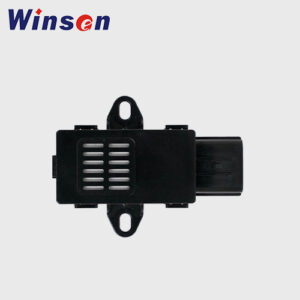
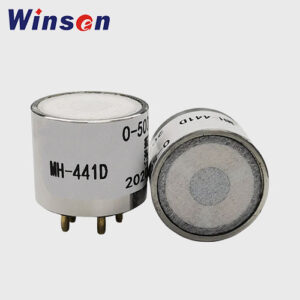
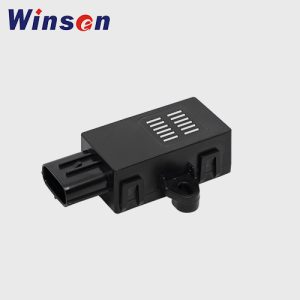
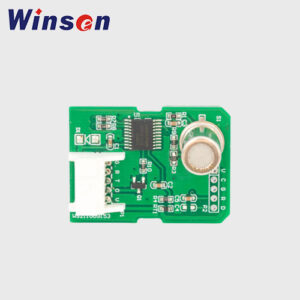
Winsen® manufactures fixed refrigerant gas leak sensors and detectors for A1 (R134a, R410A, R404A), A2L (R32, R454B, R1234yf/ze), and A3 (R290, R600a) gases. Choose Van n for ppm early warning or MOS/DIR for %LEL safety interlocks—ready for BMS/PLC via 4-20 mA, RS-485 Modbus, és relé kimenetek-


Model Guide — Select by Refrigerant Class
A1 HFC/HFO — NDIR PPM
- Ranges: 0–1,000 / 0–5,000 ppm (customizable)
- Kimenetek: 4-20 mA, RS-485 Modbus, 1-2 relé
- T90 ≤ 30 s • Low drift, long life
A2L Low-GWP — NDIR PPM / %LEL
- PPM early warning and/or 0–100% LFL/LEL
- 4–20 mA / RS-485 / relék
- Ideal for VRF/VRV rooms & heat pumps
A3 Tűzveszélyes – %LEL Biztonság
- Tartomány: 0–100% LEL (NDIR-LEL vagy MOS)
- Relays for fan/start-stop interlocks
- Rugged housings up to IP65
Why a Refrigerant Gas Leak Sensor?
- Early warning: Detect ppm-level leaks before comfort or uptime is affected.
- Safety interlocks: Use %LFL thresholds to start ventilation and shut down equipment.
- Integráció: Native 4–20 mA / RS-485 / relays for BMS, PLC, horns and beacons.
- Lower loss & service cost: Continuous monitoring reduces refrigerant escape and downtime.
NDIR hűtőközeg érzékelő
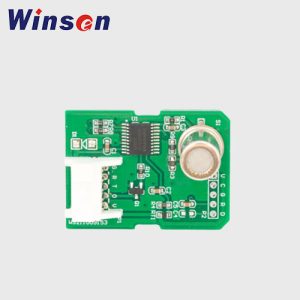
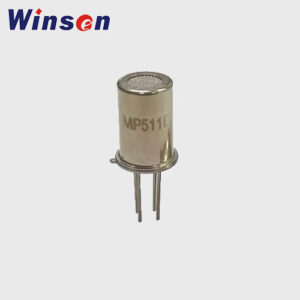
Félvezető hűtőközeg érzékelő
Technológiai összehasonlítás
| Technológia | Legjobb For | Hatótávolság | Előnyök | Megfontolások |
|---|---|---|---|---|
| NDIR (infravörös) | A1 ppm; A2L ppm/%LEL | ppm → %LEL | High selectivity, low drift, not O₂-dependent | Óvja erős páralecsapódástól/portól (szűrők/házak) |
| MOS (félvezető) | A2L/A3%LEL | 0–100% LEL | Gyors reagálás; erős; költséghatékony | Possible cross-sensitivities; periodic calibration |
| Katalitikus gyöngy | General hydrocarbons (A3) | 0–100% LEL | Érett, széles körben használt | Needs O₂; can be poisoned (silicones/lead) |
Typical AC Applications
VRF/VRV indoor units & hotel rooms
Mount low (~150–300 mm above floor) near indoor units and pooling points. Pre-alarm → fresh-air purge; main alarm → fan/indoor-unit shutdown.
Chiller & machinery rooms, compressor racks
Place near compressors, oil separators, valves, and floor low spots/sumps. Use IP-rated housings and BMS interlocks.
Cold storage & refrigerated display cases
Install beneath cases and along manifolds/pipe runs. Use condensation-resistant designs; alarms can close curtains and start extract.
Adatközpont soronkénti/CRAC egységek
Position in return-air paths, beneath raised floors, and near coils. PPM early warning protects personnel and uptime.
Heat pumps & general HVAC equipment
For A2L/A3, use %LFL tiers (~25% pre-alarm; ~50% main) to trigger ventilation and safe shutdown.
Technology Options
| Technológia | Legjobb For | Hatótávolság | Előnyök | Megfontolások |
|---|---|---|---|---|
| NDIR (infravörös) | A1 ppm; A2L ppm/%LEL | ppm → %LEL | High selectivity, low drift, not O₂-dependent | Óvja erős páralecsapódástól/portól (szűrők/házak) |
| MOS (félvezető) | A2L/A3%LEL | 0–100% LEL | Gyors reagálás; erős; költséghatékony | Possible cross-sensitivities; periodic calibration |
| Katalitikus gyöngy | General hydrocarbons (A3) | 0–100% LEL | Érett, széles körben használt | Needs O₂; can be poisoned (silicones/lead) |
Placement & Setpoints — Good Practice
- Szerelési magasság: Most refrigerants are heavier than air ⇒ mount low; confirm with on-site airflow.
- Lefedettség: ~5-10 m sugár érzékelőnként nyitott helyiségekben; adjon hozzá egységeket a szelepek/csuklók és az alacsony zsebek közelében.
- Riasztások: A2L/A3: előriasztás ≈25% LFL; fő ≈50% LFL. A1: ppm sávok (pl. 1000–5000 ppm) projektspecifikációnként.
- Reteszelők: Pre-alarm → ventilation; Main → equipment shutdown + beacon/horn/BMS event.
Véglegesítse a küszöbértékeket és mennyiségeket a projektspecifikáció és a helyi kódok alapján.
Miért választanak minket a globális ügyfelek?
A vállalat következetesen ragaszkodik a „Kiváló kézművesség, tudományos innováció, a kiválóságra való törekvés és az értéknövelt szolgáltatás” minőségpolitikájához. A gyártási folyamatirányítási tervek és munkautasítások megfogalmazásával egységesített, elszámoltatható és szabályozott folyamatirányítási rendszert alakított ki. Ezenkívül a vállalat önállóan kifejlesztett egy MES termelésirányítási rendszert, amely átfogó és vizuális menedzsmentet tesz lehetővé a teljes munkafolyamatban.

30+ ÉV TAPASZTALAT
R&D, manufacture and sales of sensors and sensing solutions.
MINŐSÉGGARANCIA FOLYAMATOS FEJLESZTÉS
Teljes és merev folyamatszabályozás, jelentős fejlesztésekkel párosulva.


NEMZETKÖZI PIAC
Szállítson érzékelő termékeket több mint 100 országba és régióba.
STABIL ELLÁTÁSI LÁNC MEGBÍZHATÓ TERMELÉS
Alapelemek, amelyek nem vonatkoznak megkötésekre, fejlett gyártási és tesztelési berendezések.


R&D STRENGTH TECHNOLOGY INNOVATION
200+ patents, 180+ R&D team members, self-built labs for continous innovation.
Egyablakos szolgáltatás
Professzionális konzultáció, gyors szállítás, 24 órás értékesítés utáni támogatás.

Leading the Industry, Innovative & Controllable Technology
With robust R&D capabilities, we maintain sustained input in R&D and unwavering commitment to technological innovation. This not only ensures that we remain at the forefront of industry but also drives continuous innovation, leading the future trend of the sensing industry.
10% R&D Input
The average annual R&D input exceeds 10% of the annual revenue.
5+ R&D Layout
With Zhengzhou headquarters as the core, a nationwide R&D and innovation system is being established, encompassing cities of Shanghai, Wuhan, Shenzhen, and Taiyuan.
180+ R&D Team
There are over 180 R&D personnel, including more than 10 with doctoral degrees and over 50 with master's degrees, who have an average of more than 8 years of experience in sensor development.
20+ kísérlettípus
Gázzal kapcsolatos, éghajlati környezet, EMC, elektromos teljesítmény, mechanikai teljesítmény stb.
10+ Advanced Laboratories
CNAS Laboratory, MEMS Laboratory, UL Laboratory, Nanocomposite Materials Laboratory stb.
400+ sets Leading R&D Equipment
Kockatároló, Die Bonder, Litográfiai gép, Bevonógép, SMT Elhelyezőgép, Automatikus szondaállomás stb.
FAQs — Infrared (NDIR) Refrigerant Leak Sensors
How many sensors do I need per room?
As a rule of thumb, plan ~5–10 m radius coverage per sensor in unobstructed rooms. Add units near compressors, valves, brazed joints, and low-lying pockets where gas may pool. Complex layouts and aisle shelving typically require more sensors.
What alarm thresholds should I use?
For A2L/A3 gases, common practice is a pre-alarm around ~25% LFL to start ventilation and a main alarm around ~50% LFL to trip equipment and trigger beacons/horns. For A1 gases, use ppm bands (e.g., 1,000–5,000 ppm) per project spec. Always follow local codes and your risk assessment.
Where should sensors be mounted?
Most refrigerants are heavier than air, so mount low (≈150–300 mm above floor) near likely leak sources and pooling points. Avoid strong supply air that could bypass the sensor. For ducts/returns, use probe or in-duct models with splash/dust guards.
How often should I calibrate and bump-test?
Typical calibration intervals are 12–24 months, with periodic bump tests (e.g., quarterly/bi-annually). Dusty, humid, or high-traffic sites may require more frequent checks and filter maintenance.
What can cause cross-sensitivity or false alarms?
Strong solvents and aerosols (e.g., silicone sprays, alcohol cleaners, paint fumes) can affect semiconductor elements; heavy condensation or dust can obstruct optics. Use IP-rated housings, splash/dust guards, and good placement/maintenance to minimize effects.
How do I integrate with BMS/PLC?
Sensors provide 4–20 mA (2/3-wire), RS-485 Modbus RTU (configurable address/baud), and 1–2 relays (N.O./N.C.). Typical scaling is 4 mA = 0 and 20 mA = full-scale. Map pre-alarm to ventilation and main alarm to shutdown/interlocks per your control philosophy.