Refrigerant Gas Leak Sensor

Refrigerant Gas Leak Sensor (Leak Detector) — A1 / A2L / A3

Winsen® manufactures fixed refrigerant gas leak sensors and detectors for A1 (R134a, R410A, R404A), A2L (R32, R454B, R1234yf/ze), and A3 (R290, R600a) גזים. לִבחוֹר הוא n עבור אזהרה מוקדמת של ppm או MOS/DIR עבור מנעולי בטיחות %LEL—מוכנים ל-BMS/PLC באמצעות 4-20 mA- RS-485 Modbus, ו יציאות ממסרו

Model Guide — Select by Refrigerant Class

A1 HFC/HFO — NDIR PPM

  • טווחים: 0–1,000 / 0–5,000 עמודים לדקה (ניתן להתאמה אישית)
  • יציאות: 4–20 mA, RS-485 Modbus, 1–2 ממסרים
  • T90 ≤ 30 שניות • סחיפה נמוכה, חיים ארוכים

A2L Low-GWP — NDIR PPM / %LEL

  • אזהרה מוקדמת של PPM ו/או 0-100% LFL/LEL
  • 4–20 mA / RS-485 / ממסרים
  • Ideal for VRF/VRV rooms & heat pumps

A3 דליק — %LEL בטיחות

  • טווח: 0–100% LEL (NDIR-LEL או MOS)
  • ממסרים לנעילות מאוורר/התנעה-עצירה
  • מארז קשיח עד IP65

Why a Refrigerant Gas Leak Sensor?

  • Early warning: Detect ppm-level leaks before comfort or uptime is affected.
  • Safety interlocks: Use %LFL thresholds to start ventilation and shut down equipment.
  • הִשׁתַלְבוּת: Native 4–20 mA / RS-485 / relays for BMS, PLC, horns and beacons.
  • Lower loss & service cost: Continuous monitoring reduces refrigerant escape and downtime.

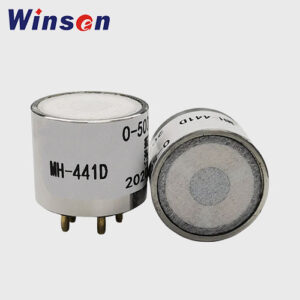
חיישן קירור NDIR

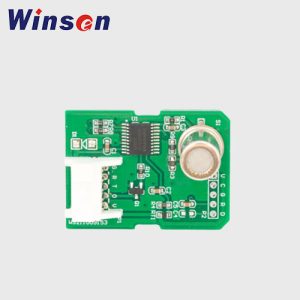
חיישן קירור מוליכים למחצה

Technology Comparison

טֶכנוֹלוֹגִיָההטוב ביותר עבורלָנוּעַיתרונותשיקולים
NDIR (אינפרא אדום)A1 ppm; A2L ppm/%LELppm → %LELHigh selectivity, low drift, not O₂-dependentהגן מפני עיבוי/אבק כבד (מסננים/מארזים)
MOS (מוליכים למחצה)A2L/A3%LEL0-100% LELתגובה מהירה; חָסוֹן; חסכוניPossible cross-sensitivities; periodic calibration
חרוז קטליטיפחמימנים כלליים (A3)0-100% LELMature, widely usedNeeds O₂; can be poisoned (silicones/lead)

Typical AC Applications

VRF/VRV indoor units & hotel rooms

התקן נמוך (~150-300 מ"מ מעל הרצפה) ליד יחידות פנימיות ונקודות איסוף. אזעקה מוקדמת ← טיהור אוויר צח; אזעקה ראשית ← כיבוי מאוורר/יחידה פנימית.

Chiller & machinery rooms, compressor racks

Place near compressors, oil separators, valves, and floor low spots/sumps. Use IP-rated housings and BMS interlocks.

Cold storage & refrigerated display cases

Install beneath cases and along manifolds/pipe runs. Use condensation-resistant designs; alarms can close curtains and start extract.

יחידות מרכז נתונים בשורה/CRAC

Position in return-air paths, beneath raised floors, and near coils. PPM early warning protects personnel and uptime.

Heat pumps & general HVAC equipment

For A2L/A3, use %LFL tiers (~25% pre-alarm; ~50% main) to trigger ventilation and safe shutdown.

אפשרויות טכנולוגיה

טֶכנוֹלוֹגִיָההטוב ביותר עבורלָנוּעַיתרונותשיקולים
NDIR (אינפרא אדום)A1 ppm; A2L ppm/%LELppm → %LELHigh selectivity, low drift, not O₂-dependentהגן מפני עיבוי/אבק כבד (מסננים/מארזים)
MOS (מוליכים למחצה)A2L/A3%LEL0-100% LELתגובה מהירה; חָסוֹן; חסכוניPossible cross-sensitivities; periodic calibration
חרוז קטליטיפחמימנים כלליים (A3)0-100% LELMature, widely usedNeeds O₂; can be poisoned (silicones/lead)

Placement & Setpoints — Good Practice

  • גובה הרכבה: Most refrigerants are heavier than air ⇒ mount low; confirm with on-site airflow.
  • כיסוי: ~5-10 מ' רדיוס לכל חיישן בחדרים פתוחים; הוסף יחידות ליד שסתומים/חיבורים וכיסים נמוכים.
  • אַזעָקָה: A2L/A3: pre-alarm ≈25% LFL; main ≈50% LFL. A1: ppm bands (e.g., 1,000–5,000 ppm) per project spec.
  • שלובים: Pre-alarm → ventilation; Main → equipment shutdown + beacon/horn/BMS event.

Finalize thresholds and quantities against your project specification and local codes.

מדוע לקוחות גלובליים בוחרים בנו?

החברה דבקת בעקביות במדיניות האיכות של "אומנות עדינה, חדשנות מדעית, רדיפה אחר מצוינות ושירות בעל ערך מוסף." על ידי גיבוש תוכניות בקרת תהליכי ייצור והוראות עבודה, היא קבעה מערכת ניהול תהליכים סטנדרטית, אחראית ומוסדרת. בנוסף, החברה פיתחה באופן עצמאי מערכת ניהול ייצור MES, ומאפשרת ניהול מקיף ויזואלי בכל זרימת העבודה.

30+ שנות ניסיון

R&D, manufacture and sales of sensors and sensing solutions.

ערבות איכות שיפור מתמשך

בקרת זרימת תהליכים מלאה ונוקשה, יחד עם שיפורים משמעותיים.

שוק בינלאומי

לספק מוצרי חישה ליותר ממאה מדינות ואזורים.

שרשרת אספקה יציבה ייצור אמין

רכיבי ליבה שאינם כפופים לאילוצים, ציוד מתקדם לייצור ובדיקה.

R&D STRENGTH TECHNOLOGY INNOVATION

200+ patents, 180+ R&D team members, self-built labs for continous innovation.

שירות חד-פעמי

ייעוץ מקצועי, משלוח מהיר, תמיכה 24 שעות לאחר המכירה.

Leading the Industry, Innovative & Controllable Technology

With robust R&D capabilities, we maintain sustained input in R&D and unwavering commitment to technological innovation. This not only ensures that we remain at the forefront of industry but also drives continuous innovation, leading the future trend of the sensing industry.

10% R&D Input

The average annual R&D input exceeds 10% of the annual revenue.

5+ R&D Layout

With Zhengzhou headquarters as the core, a nationwide R&D and innovation system is being established, encompassing cities of Shanghai, Wuhan, Shenzhen, and Taiyuan.

180+ R&D Team

There are over 180 R&D personnel, including more than 10 with doctoral degrees and over 50 with master's degrees, who have an average of more than 8 years of experience in sensor development.

20+ סוגי ניסויים

סביבת אקלים הקשורה לגז, EMC, ביצועים חשמליים, ביצועים מכניים וכו '.

10+ מעבדות מתקדמות

מעבדת CNAS, מעבדת MEMS, מעבדת UL, מעבדת חומרים ננו -קומפוזיטיים וכו '.

400+ sets Leading R&D Equipment

אחסון קובייה, Die Bonder, מכונת ליטוגרפיה, מכונת ציפוי, מכונת מיקום SMT, תחנת בדיקה אוטומטית וכו '.

בקש ייעוץ

    הַצלָחָה! ההודעה שלך נשלחה אלינו.
    שְׁגִיאָה! הייתה שגיאה שליחת ההודעה שלך.

    WeChat

    WhatsApp

    FAQs — Infrared (NDIR) Refrigerant Leak Sensors

    כמה חיישנים אני צריך לחדר?

    As a rule of thumb, plan ~5–10 m radius coverage per sensor in unobstructed rooms. Add units near compressors, valves, brazed joints, and low-lying pockets where gas may pool. Complex layouts and aisle shelving typically require more sensors.

    באילו ספי אזעקה עלי להשתמש?

    For A2L/A3 gases, common practice is a pre-alarm around ~25% LFL to start ventilation and a main alarm around ~50% LFL to trip equipment and trigger beacons/horns. For A1 gases, use ppm bands (e.g., 1,000–5,000 ppm) per project spec. Always follow local codes and your risk assessment.

    Where should sensors be mounted?

    Most refrigerants are heavier than air, so mount low (≈150–300 mm above floor) near likely leak sources and pooling points. Avoid strong supply air that could bypass the sensor. For ducts/returns, use probe or in-duct models with splash/dust guards.

    באיזו תדירות עלי לכייל ולבדוק מהלומות?

    Typical calibration intervals are 12–24 months, with periodic bump tests (e.g., quarterly/bi-annually). Dusty, humid, or high-traffic sites may require more frequent checks and filter maintenance.

    What can cause cross-sensitivity or false alarms?

    Strong solvents and aerosols (e.g., silicone sprays, alcohol cleaners, paint fumes) can affect semiconductor elements; heavy condensation or dust can obstruct optics. Use IP-rated housings, splash/dust guards, and good placement/maintenance to minimize effects.

    How do I integrate with BMS/PLC?

    Sensors provide 4–20 mA (2/3-wire), RS-485 Modbus RTU (configurable address/baud), and 1–2 relays (N.O./N.C.). Typical scaling is 4 mA = 0 and 20 mA = full-scale. Map pre-alarm to ventilation and main alarm to shutdown/interlocks per your control philosophy.

    ידע נוסף על חיישני קירור

    לא בטוח איזה חיישן נכון?

    קבל ייעוץ ראשוני בחינם עכשיו

    נוסף לעגלה שלך.
    קופה