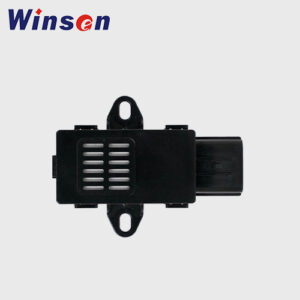
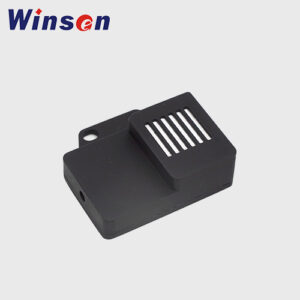
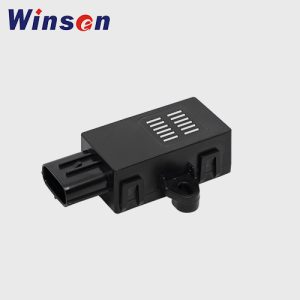
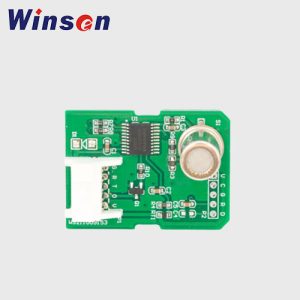
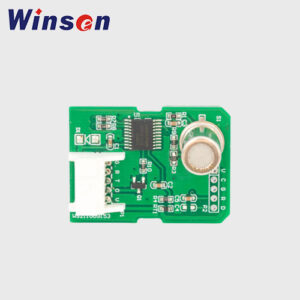
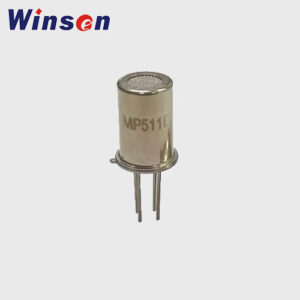
Refrigerantsare essential substances in cooling systems such as air conditioners, refrigerators, chillers, and heat pumps. However, these compounds—ranging from traditional CFCs and HCFCs to modern HFCs, HFOs, and natural refrigerants—posesafety, health, and environmental risksif leaked. To address this,refrigerant gas sensorsare integrated into HVAC systems todetect leaks- ensure regulatory compliance, ו safeguard human health and equipmentו
This article offers a detailed exploration of refrigerant gas sensors: how they work, key technologies, application scenarios, standards, challenges, and future directions.
2. What Is a Refrigerant Gas Sensor?
א refrigerant gas sensoris a device used to detect the presence and concentration of refrigerant gases in air. These sensors are used to monitor for refrigerant leaks and trigger safety responses such as alarms, system shutdown, or ventilation.
2.1 Purpose of Refrigerant Gas Sensors
Leak detection and early warning
Environmental protection (prevent GHG emissions)
Safety from toxic or flammable gases
System performance monitoring
Compliance with safety and environmental standards
עיקרון עבודה: Gas reacts with a chemical inside the sensor, producing an electrical signal
חוזקות:
Very sensitive to specific gases
צריכת חשמל נמוכה
מגבלות:
Limited lifespan (2–3 years)
Specific to individual gas types
5. פרמטרים של ביצועי חיישן
פָּרָמֶטֶר
ערך אופייני
טווח זיהוי
10 ppm – 10,000 ppm (0.001%–1%)
זמן תגובה (T90)
<60 seconds (faster for some types)
דִיוּק
±5–10% of reading
Calibration Interval
6–12 months (sensor dependent)
Life Expectancy
3–10 years
Operating Temp Range
-20 מעלות צלזיוס עד +60 מעלות צלזיוס
טווח לחות
0-95% RH (לא מתעבה)
תְפוּקָה
4–20 mA, Modbus, RS-485, relays
הסמכות
CE, UL, RoHS, ATEX, IECEx
6. Applications of Refrigerant Gas Sensors
6.1 Commercial HVAC Systems
Rooftop units, VRF/VRV systems, chillers
Prevent refrigerant losses
Ensure safety in occupied spaces
6.2 Industrial Cooling
Cold storage warehouses
Food processing facilities
מרכזי נתונים
6.3 Residential Air Conditioning and Heat Pumps
Especially important for A2L refrigerants like R-32, R-454B
Compliance with IEC 60335-2-40 and UL 60335
6.4 Automotive
EVs using R-1234yf
Leak detection in cabin air systems
6.5 Supermarkets and Refrigerated Transport
CO₂ and HFC/HFO sensors for energy efficiency and leak prevention
7. Installation and Integration Best Practices
7.1 Sensor Placement
Install low for heavy refrigerants (e.g., R-410A, R-134a)
Install high for lighter refrigerants (e.g., ammonia)
Near compressors, expansion valves, service ports
7.2 Number of Sensors
Large rooms require multiple sensors
Consider airflow, room geometry, and gas diffusion characteristics
7.3 System Integration
Alarm outputs (audible/visual)
HVAC system shutdown
Automatic ventilation activation
Data logging and cloud monitoring
8. Safety and Regulatory Compliance
Refrigerant sensors help comply with multiple global safety standards:
תֶקֶן
Region
תֵאוּר
ASHRAE 15
USA
Safety code for mechanical refrigeration
IEC 60335-2-40
Global
Safety for household/commercial heat pumps
ISO 5149
Global
Refrigeration system safety
EN 378
אֵירוֹפָּה
Safety in refrigeration systems
UL 60335-2-40
צפון אמריקה
Appliance-specific safety standard
These standards define:
Maximum allowable charge limits
Leak detection zones
Required leak mitigation systems
9. Future Trends in Refrigerant Sensing
9.1 Integration with IoT
Smart HVAC systems with real-time leak alerts
Cloud-based analytics
תחזוקה חזויה
9.2 MEMS and Miniaturization
Micro-electromechanical systems (MEMS) sensors for compact applications
Wearable detectors for service technicians
9.3 Multi-Gas Detection
Sensors capable of identifying multiple refrigerants
Dual-sensor configurations for redundancy
9.4 AI-Enhanced Detection
Pattern recognition for distinguishing false alarms
Dynamic threshold adjustment based on room occupancy and airflow
10. Challenges in Sensor Deployment
אֶתגָר
פִּתָרוֹן
רגישות צולבת
Use gas-specific filters or multi-sensor systems
Sensor Drift
Regular calibration and self-diagnostics
Condensation and Moisture
Use IP-rated enclosures
False Alarms
Smart filtering and threshold programming
Harsh Environments
Ruggedized sensors and conformal coatings
11. Frequently Asked Questions (FAQ)
Q1: Are refrigerant sensors mandatory in all systems?
Not in all systems, butrequired in many commercial and industrial systems, especially where refrigerant charge exceeds certain limits or flammable refrigerants are used.
Q2: How often do refrigerant gas sensors need to be calibrated?
Most sensors requirecalibration every 6–12 months, depending on the type and environment.
Q3: Can one sensor detect all types of refrigerants?
Some sensors can detect multiple refrigerants, butaccuracy and selectivityare best when the sensor is tuned for specific gases.
Q4: What is the lifespan of a refrigerant gas sensor?
חיישני NDIR: עד 10 שנים
חיישני MOS: 3-5 שנים
Electrochemical sensors: 2–3 years
Q5: What happens when a leak is detected?
Depending on configuration, the system can:
Sound alarms
Activate fans or ventilation
Log data and send alerts
Shut down HVAC operation to prevent hazard
12. Conclusion
Refrigerant gas sensors are no longer optional in modern HVAC and refrigeration systems—they are essential components forsafety, performance, and compliance. As refrigerants evolve due to environmental concerns and flammability risks, sensors must also advance to offer higher sensitivity, connectivity, and reliability.
Whether it’s in a commercial rooftop unit, a supermarket freezer, or an electric vehicle,refrigerant gas sensors play a crucial role in protecting people, property, and the planetו