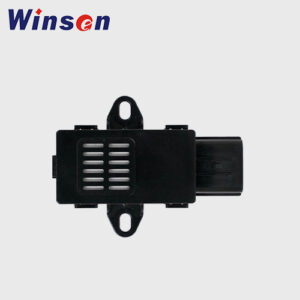
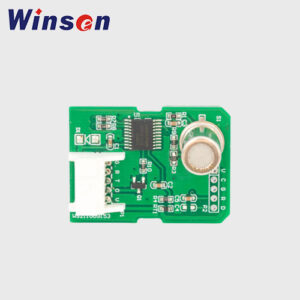
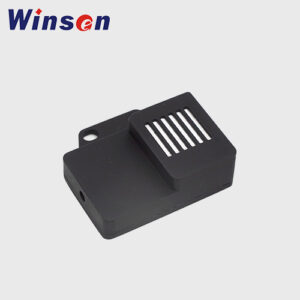
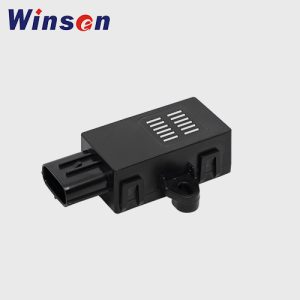
R-290, també conegut com propà, és un refrigerant natural que està guanyant popularitat ràpidament com a alternativa ecològica als refrigerants sintètics com R-22, R-134a i R-410A. Pertany al grup dels hidrocarburs (HC) i es caracteritza per potencial d'esgotament de l'ozó zero (OdpQue) i potencial d'escalfament global ultra baix (GWPQue).
Amb un enfocament global creixent en el canvi climàtic i la sostenibilitat ambiental, l'R-290 està emergint com un refrigerant preferit en refrigeració comercial i domèstica, aparells d'aire condicionat, bombes de calor i fins i tot alguns sistemes industrials. Malgrat la seva alta inflamabilitat, els avenços en el disseny i la normativa de seguretat permeten una adopció més àmplia.
Aquest article aprofundeix en els R-290 propietats, aplicacions, avantatges de rendiment, impacte ambiental, estat normatiu, consideracions de seguretat i perspectives de futur, offering a complete understanding of its role in the next-generation HVAC&R industry.
1. Què és el refrigerant R-290?
Nom químic: propà
Fórmula química: C₃H₈
Número de CA: 74-98-6
Denominació de refrigerant: R-290
Pes molecular: 44,1 g/mol
Classificació del grup de seguretat ASHRAE: A3 (no tòxic, altament inflamable)
R-290 és a refrigerant d'hidrocarburs derivats de combustibles fòssils però purificats per eliminar la humitat, els hidrocarburs insaturats i altres impureses que podrien causar problemes en els sistemes de refrigeració. A diferència dels HFC i HCFC sintètics, l'R-290 ho és que es produeix de manera natural, cosa que la converteix en una opció sostenible i ambientalment acceptable.
2. Propietats físiques i termodinàmiques de l'R-290
Propietat
Valorar
Fórmula molecular
C₃H₈
Punt d'ebullició (a 1 atm)
–42,1 °C
Temperatura crítica
96,7 °C
Pressió crítica
4,25 MPa (617 psi)
Potencial d'escalfament global (GWP)
3
Potencial d'esgotament de la capa d'ozó (ODP)
0
Calor latent de vaporització
~356 kJ/kg
Classe d'inflamabilitat
A3 (molt inflamable)
L'R-290 funciona a pressions similars a les de l'R-22 i l'R-404A, la qual cosa el converteix en una bona alternativa d'incorporació o adaptació en sistemes dissenyats per a aquests refrigerants, sempre que es facin modificacions de seguretat.
3. Perfil ambiental
Potencial d'esgotament zero d'ozó
L'R-290 no conté clor ni brom, que són els principals culpables del dany de la capa d'ozó. El seu LA RESPOSTA és zero, és a dir, no contribueix a l'esgotament de la capa d'ozó.
Potencial d'escalfament global ultra baix
Amb a GWP de només 3, R-290 es troba entre els refrigerants de menor impacte disponibles, especialment si es compara amb:
Sistemes mini-split (especialment a Europa i Àsia)
Sistemes monobloc i envasats
Escalfadors d'aigua amb bomba de calor
d) Processos Industrials
Sistemes de refrigeració en cascada
Barreges d'hidrocarburs (utilitzades amb altres HC)
e) Transport Refrigeració
Unitats de refrigeració marines i de contenidors
Sistemes de refrigeració mòbils
R-290 és especialment adequat per a temperatura baixa a mitjana aplicacions on la seva eficiència energètica i perfil ambiental ofereixen diferents avantatges.
5. Avantatges del refrigerant R-290
✅ 1. Excel·lent eficiència energètica
L'R-290 té propietats termodinàmiques superiors, inclosa una alta calor latent de vaporització i una baixa viscositat. Aquestes característiques condueixen a:
Menor consum d'energia
Menor cilindrada del compressor
Coeficient de rendiment més alt (COP)
En moltes proves, els sistemes que utilitzen R-290 van demostrar 10-20% millor eficiència energètica que els sistemes que utilitzen R-134a o R-22.
Fàcilment disponible i barat en comparació amb els refrigerants sintètics
Preus estables per origen natural
✅ 4. Compatibilitat
Funciona bé en sistemes dissenyats per a R-22 amb un redisseny mínim
Apte amb lubricants estàndard (olis minerals o POE)
Termodinàmicament semblant a molts refrigerants tradicionals
6. Reptes i consideracions de seguretat
❗ Inflamabilitat
El principal repte amb R-290 és el seu Classificació d'inflamabilitat A3.
Punt d'inflamació: –104 °C
Límit inferior d'inflamabilitat (LFL): ~2,1% en volum
Requereix un estricte compliment dels codis de seguretat
❗ Limitacions de càrrega
A causa de la inflamabilitat, la majoria dels estàndards de seguretat (p. IEC 60335-2-89, UL 60335) restringir el càrrega màxima admissible, especialment en espais públics o confinats.
Per exemple:
Refrigerated appliances: max 150–500g (depends on application & region)
Els sistemes més grans poden requerir ventilació, detecció de gasos i components a prova d'explosió
❗ Formació Especialitzada
Els tècnics han d'estar entrenats per manejar, instal·lar i donar servei als sistemes R-290 de manera segura. Els programes de certificació i el compliment de les normes de seguretat són essencials.
El mercat global de refrigerants s'està avançant ràpidament alternatives naturals i de baix GWP. L'R-290 es considera una solució a llarg termini per a molts sectors, amb expectatives de creixement en:
Edifici verd i HVAC iniciatives
Supermercats sostenibles i cadenes de fred
Electrodomèstics ecològics
Innovacions tecnològiques:
Sistemes de detecció i control de fuites
Bescanviadors de calor de microcanal per reduir la càrrega
Funcions de seguretat i sensors intel·ligents
Controls avançats per a refrigerants inflamables
Conclusió
L'R-290 és un dels refrigerants més prometedors del futur: la combinació responsabilitat mediambiental, eficiència energètica excepcional i rendibilitat. Tot i que la inflamabilitat és un obstacle, es pot gestionar mitjançant un disseny atent, formació i adherència a les normes de seguretat.
A mesura que els governs endurin les regulacions climàtiques i les indústries busquen solucions de refrigeració verda, l'R-290 destaca com un elecció viable i sostenible, especialment per a aquells compromesos amb un futur baix en carboni.
Expliqueu-nos els vostres requisits de refrigerant, aplicació i interfície objectiu. El nostre equip d'enginyeria de sensors recomanarà un model adequat.