
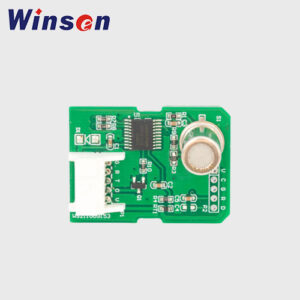
AC Gas Leak Sensor

AC Gas Leak Sensor (Air Conditioner Refrigerant Leak Detector) — Split/VRF • Central AC • Heat Pump

Winsen® manufactures fixed AC gas leak sensors for residential and commercial air-conditioning systems. We cover A1 (R134a、R410A、R404A)、 A2L (R32、R454B、R1234yf/ze)和 A3 (R290、R600a)氣體。選擇 是n 用於 ppm 預警或 MOS/DIR 用於 %LEL 安全聯鎖 — 為 BMS/PLC 做好準備,通過 4–20 Ma,,,, RS-485 總線, 和 繼電器輸出

Model Guide — Pick by Refrigerant Class & Measurement

A1 (R410A / R134a) — NDIR PPM

  • 典型範圍:0–1,000 / 0–5,000 ppm
  • 輸出:4–20 mA、RS-485 Modbus、1–2 個繼電器
  • T90 ≤ 30 s • 低漂移,長壽命

A2L (R32 / R454B / R1234yf/ze) — NDIR PPM / %LEL

  • PPM 預警和/或 0–100% LFL/LEL
  • 4–20 mA / RS-485 / 繼電器
  • VRF/VRV rooms & hotel guestrooms

A3 (R290 / R600a) — %LEL 安全

  • 範圍:0–100% LEL(NDIR-LEL 或 MOS)
  • Relays for ventilation & shutdown interlocks
  • IP options for plant rooms and cold spaces

What is an AC Gas Leak Sensor?

An AC gas leak sensor is a 固定式電子探測器 that continuously measures refrigerant concentration around air-conditioning equipment and automatically drives 警報互鎖 (ventilation, fan/indoor-unit shutdown). It complements handheld detectors used by technicians for pinpoint leak search.

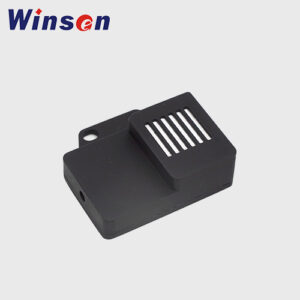
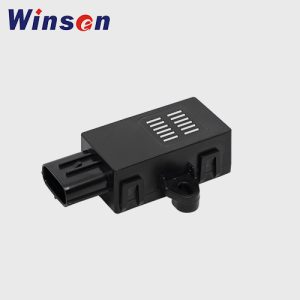
NDIR製冷劑傳感器

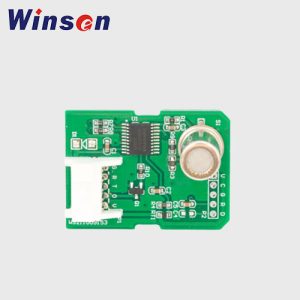
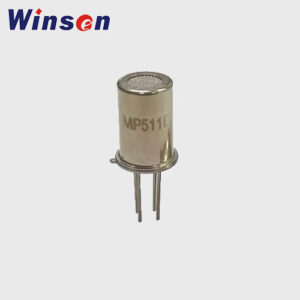
半導體製冷劑傳感器

技術選擇

技術最適合範圍優勢注意事項
NDIR(紅外線)A1 ppm; A2L ppm/%LELppm → %LELHigh selectivity & stability; not O₂-dependent; long life防止嚴重凝結/灰塵(過濾器/外殼)
MOS(半導體)A2L/A3%LEL0–100% LEL快速響應;強壯的;性價比高可能存在交叉敏感性;建議定期校準
催化珠一般碳氫化合物 (A3)0–100% LEL成熟的易燃物技術需要氧氣;容易中毒(矽/鉛)

典型交流應用

Split/VRF indoor units & hotel rooms

安裝在室內設備和匯集點附近的低處(距地面約 150-300 毫米)。預報警→新鮮空氣吹掃;主報警→風機/室內機關閉。

Central AC (AHU/MAU) & mechanical rooms

Place near coils, expansion valves, and floor low spots/sumps; use IP-rated enclosures and BMS interlocks.

Line sets, condenser & evaporator sections

Monitor around brazed joints, service valves, manifolds; avoid strong supply streams that could bypass the sensor.

Heat pumps & general HVAC equipment

對於 A2L 系統,使用 %LFL 層(約 25% 預報警;約 50% 主警報)來觸發通氣和安全關閉。

核心規格

範圍價值/選項
測量NDIR ppm 和/或 %LFL (MOS/NDIR-LEL)
輸出4–20 mA(2/3 線)、RS-485 Modbus RTU、1–2 個繼電器(常開/常閉)
響應時間(T90)≤ 20–30 秒(典型值)
供應12–24 VDC(其他應要求提供)
工作條件−20…+50°C; 15–95% 相對濕度,無冷凝(取決於型號)

Placement & Setpoints — Good Practice

  • 安裝高度: Most AC refrigerants are heavier than air ⇒ mount low; confirm with on-site airflow.
  • 覆蓋範圍: 開放房間中每個傳感器的半徑約為 5–10 m;在閥門/接頭和低口袋附近添加單元。
  • 警報: A2L/A3: pre-alarm ≈25% LFL; main ≈50% LFL. A1: ppm bands (e.g., 1,000–5,000 ppm) per design spec.
  • 聯鎖: Pre-alarm → ventilation; Main → equipment shutdown + beacons/horns/BMS events.

根據當地規範和項目規範最終確定閾值和數量。

為什麼全球客戶選擇我們?

該公司始終遵守“精通工藝,科學創新,追求卓越和增值服務”的質量政策。 ”通過制定生產過程控制計劃和工作指導,它建立了標準化,負責和受監管的過程管理系統。此外,該公司獨立開發了MES生產管理系統,從而在整個工作流程中實現了全面和視覺管理。

30多年的經驗

R&D, manufacture and sales of sensors and sensing solutions.

質量保證持續改進

完整且剛性的流程控制,並取得重大改進。

國際市場

向100多個國家和地區提供傳感產品。

穩定的供應鏈可靠生產

核心組件不受限制,用於製造和測試的高級設備。

R&D STRENGTH TECHNOLOGY INNOVATION

200+ patents, 180+ R&D team members, self-built labs for continous innovation.

一站式服務

專業諮詢,快速交貨,售後24小時。

Leading the Industry, Innovative & Controllable Technology

With robust R&D capabilities, we maintain sustained input in R&D and unwavering commitment to technological innovation. This not only ensures that we remain at the forefront of industry but also drives continuous innovation, leading the future trend of the sensing industry.

10% R&D Input

The average annual R&D input exceeds 10% of the annual revenue.

5+ R&D Layout

With Zhengzhou headquarters as the core, a nationwide R&D and innovation system is being established, encompassing cities of Shanghai, Wuhan, Shenzhen, and Taiyuan.

180+ R&D Team

There are over 180 R&D personnel, including more than 10 with doctoral degrees and over 50 with master's degrees, who have an average of more than 8 years of experience in sensor development.

20+實驗類型

氣體相關,氣候環境,EMC,電性能,機械性能等。

10多個高級實驗室

CNAS實驗室,MEMS實驗室,UL實驗室,納米複合材料實驗室等。

400+ sets Leading R&D Equipment

立方體存儲,模具螺栓,光刻機器,塗料機,SMT放置機,自動探測站等等。

請求諮詢

    成功! 您的消息已發送給我們。
    錯誤! 發送您的消息存在錯誤。

    微信

    WhatsApp

    常見問題解答 — 紅外 (NDIR) 製冷劑洩漏傳感器

    How many sensors do I need per room?

    Plan ~5–10 m radius coverage per sensor in open rooms. Add units near indoor units, valves, joints, and floor-level pockets where gas may accumulate. Irregular layouts typically need more sensors.

    What alarm thresholds should I use?

    For A2L/A3 gases: pre-alarm ≈25% LFL to start ventilation; main ≈50% LFL to trip equipment and trigger beacons/horns. For A1 gases, use ppm bands (e.g., 1,000–5,000 ppm) per project spec and risk assessment.

    Where should the sensor be mounted?

    Most AC refrigerants are heavier than air; mount low (≈150–300 mm above floor) near likely leak sources and pooling points. Avoid strong supply air that could bypass the sensor. Probe/duct versions can monitor return air.

    How often should I calibrate and bump-test?

    Typical calibration is every 12–24 months with periodic bump tests (quarterly/biannual). Dusty or humid sites, or areas with cleaning aerosols, may need more frequent checks and filter maintenance.

    Which technology should I choose: NDIR or MOS?

    Choose NDIR for ppm early warning and long-term stability; choose MOS or IR-LEL for %LEL safety interlocks on A2L/A3 systems. Many sites use both tiers for redundancy.

    Can Winsen customize for OEM/volume programs?

    Yes—ranges, firmware, Modbus mapping, connectors/harnesses, housings (IP rating), labels/branding, and packaging can be tailored for volume deployments.

    更多製冷劑傳感器知識

    沒有把握 哪個傳感器 是嗎?

    立即免費進行初步諮詢

    已添加到您的購物車中。
    查看