AC Freon Leak Sensor (Leak Detector) | Split/VRF • Central AC • Auto A/C | Winsen®

AC Freon Leak Sensor (Leak Detector) — Split/VRF • Central AC • Auto A/C

Winsen® manufactures electronic leak sensors for air-conditioning refrigerants across residential, commercial, and automotive applications. For building HVAC, we cover R410aVerdzība R32Verdzība R454B, and legacy R134a/R22*; for automotive A/C we support R1234yf un R134A. Choose Ir n par ppm agrīnās brīdināšanas un MOS/REŽ for %LEL safety interlocks with 4–20 MaVerdzība RS-485 Modbus, un releju izejas ready for BMS/PLC integration.

Model Guide — Pick by AC Type & Refrigerant

Home/Commercial AC — A1 (NDIR PPM)

  • Ranges: 0–1,000 / 0–5,000 ppm (custom)
  • Izejas: 4–20 mA, RS-485 Modbus, 1–2 releji
  • T90 ≤ 30 s • Zema novirze, ilgs kalpošanas laiks

*R22 is legacy/service gas in many regions.

Home/Commercial AC — A2L (NDIR PPM / %LEL)

  • PPM agrīnais brīdinājums (NDIR) un/vai 0–100% LFL/LEL
  • 4–20 mA / RS-485 / releji
  • Ideal for VRF/VRV rooms & hotel guestrooms

Automotive A/C — A2L/A1

  • NDIR ppm for process/comfort; %LEL for interlocks
  • Integrate at charge stations, test booths, bays
  • Modbus for line interlocks & traceability

What “AC Freon” Means

In everyday language, “Freon” often means any AC refrigerant. Technically, Freon™ is a trademark historically used for CFC/HCFC/HFC products (e.g., R12/R22). This page uses “AC Freon leak sensor” in the common sense—electronic fixed sensors that detect refrigerant leaks in air-conditioning systems.

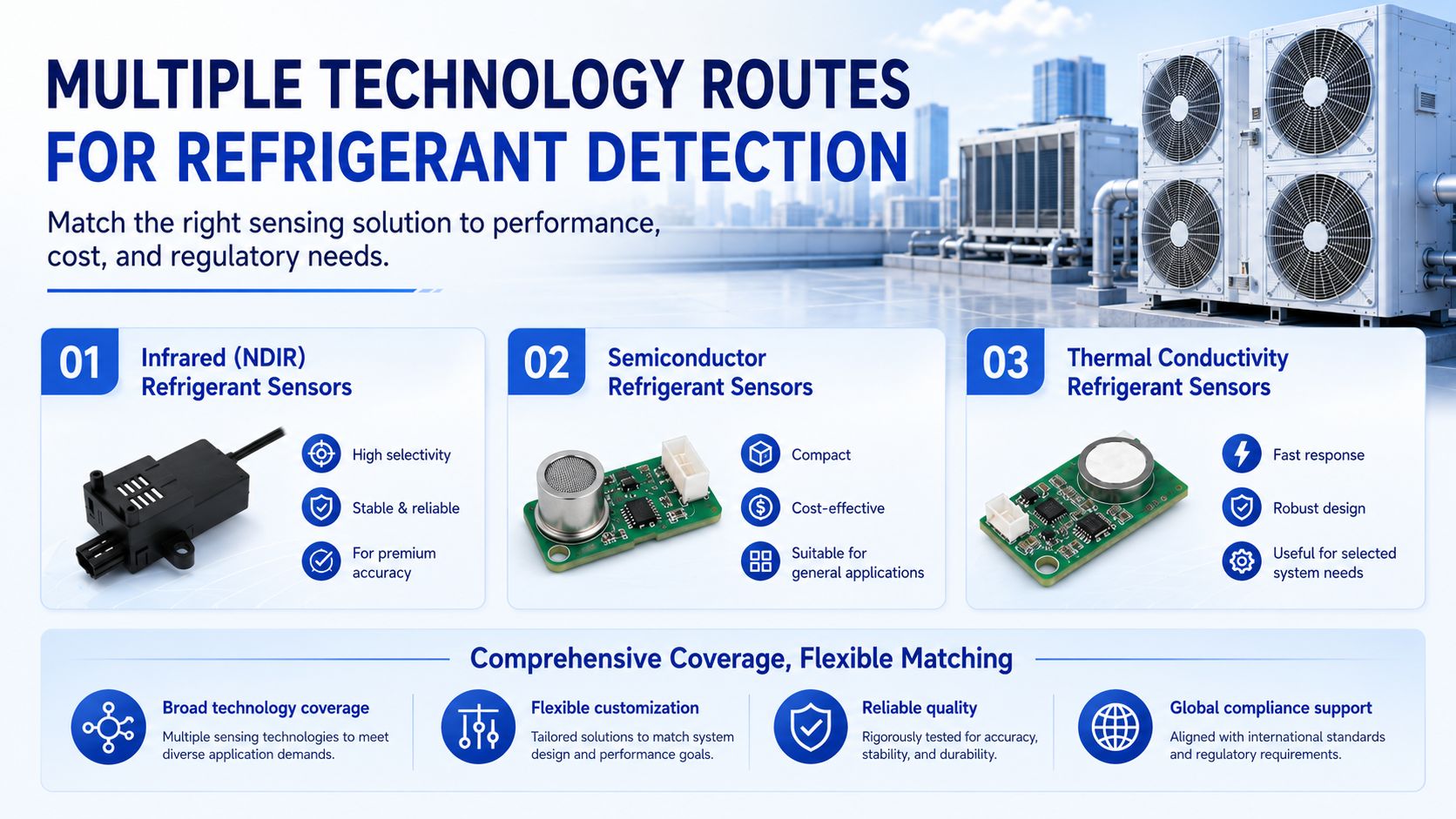
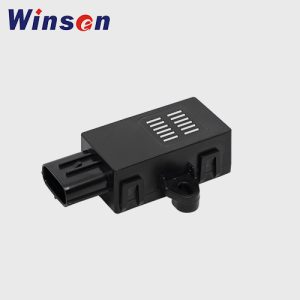
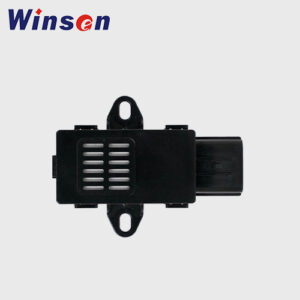
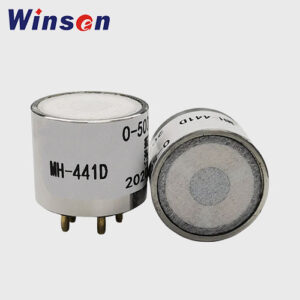
NDIR aukstumnesēja sensors

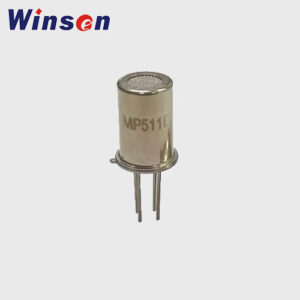
Pusvadītāju aukstumaģenta sensors

How Infrared (NDIR) Refrigerant Sensors Work

StageWhat HappensBenefit
EmissionIR source emits broadband light through the gas sample.Reliable optical excitation
FilteringNarrowband optical filter targets refrigerant absorption bands; a second channel serves as reference.Gas selectivity & drift compensation
DetectionPhotodetectors measure attenuated signal vs. reference; MCU computes concentration.Stable ppm / %LEL output
CompensationTemperature/pressure & baseline routines (e.g., ABC optional) correct drift.Long intervals between calibrations

Typical AC Applications

Split/VRF indoor units & hotel rooms

Mount low (~150–300 mm above floor) near indoor units, under beds/sofas in hotel rooms, and other pooling points. Pre-alarm → fresh-air purge; main alarm → fan/indoor-unit shutdown.

Central AC air handlers & mechanical rooms

Place near coils, expansion valves, and floor low spots/sumps; use IP-rated enclosures. Integrate with BMS to start purge fans at pre-alarm and trip systems at main alarm.

Line sets, evaporator/condensing sections

Monitor around brazed joints, service valves, and manifolds; avoid strong supply streams that bypass the sensor.

Automotive service bays & EOL test

Position near charging/recovery stations and low-lying areas. Use ppm early warning plus %LFL safety interlocks (beacon/horn/vent).

Technology Options

TehnikaLabākais priekšDiapazonsPriekšrocībasApsvērumi
NDIR (infrasarkanais)A1 ppm; A2L ppm/%LELppm → %LELHigh selectivity & stability; not O₂-dependent; long lifeProtect from heavy condensation/dust (filters/enclosure)
MOS (pusvadītājs)A2L/A3%LEL0–100% LELĀtra reakcija; izturīgs; rentabliCross-sensitivities possible; periodic calibration advised
Katalītiskā lodīteVispārējie ogļūdeņraži (A3)0–100% LELMature tech for flammablesRequires O₂; susceptible to poisons (silicones/lead)

Placement & Setpoints — Good Practice for AC

  • Montāžas augstums: Most AC refrigerants are heavier than air ⇒ mount low; confirm with room airflow.
  • Pārklājums: ~5–10 m radius per sensor in open rooms; add units near valves/joints and low pockets.
  • Signalizācijas līmeņi: A2L/A3: pre-alarm ≈25% LFL; main ≈50% LFL. A1: ppm tiers (e.g., 1,000–5,000 ppm) per design spec.
  • Bloķējumi: Pre-alarm → ventilation/start purge; Main → equipment shutdown + horn/beacon/BMS notification.

Pabeidziet sliekšņus un daudzumus atbilstoši vietējiem kodiem un projekta specifikācijām.

Kāpēc globālie klienti izvēlas mūs?

Uzņēmums konsekventi ievēro kvalitatīvu politiku “smalkas meistarības, zinātniskas inovācijas, izcilības sasniegšana un pievienotā vērtība”. Formulējot ražošanas procesa kontroles plānus un darba instrukcijas, tas ir izveidojis standartizētu, atbildīgu un regulētu procesu pārvaldības sistēmu. Turklāt uzņēmums ir patstāvīgi izstrādājis Mes ražošanas pārvaldības sistēmu, kas nodrošina visaptverošu un vizuālu pārvaldību visā darbplūsmā.

30+ gadu pieredze

R&D, manufacture and sales of sensors and sensing solutions.

Kvalitātes garantija nepārtraukta uzlabošana

Pilnīga un stingra procesa plūsmas kontrole, kā arī ievērojami uzlabojumi.

Starptautiskais tirgus

Piegādājiet sensoru produktus vairāk nekā 100 valstīm un reģioniem.

Stabila piegādes ķēde Uzticama ražošana

Galvenās sastāvdaļas, uz kurām nav pakļauti ierobežojumi, uzlabotas iekārtas ražošanai un pārbaudei.

R&D STRENGTH TECHNOLOGY INNOVATION

200+ patents, 180+ R&D team members, self-built labs for continous innovation.

Vienas pieturas pakalpojums

Profesionāla konsultācija, ātra piegāde, 24 stundas pēc pārdošanas atbalsta.

Leading the Industry, Innovative & Controllable Technology

With robust R&D capabilities, we maintain sustained input in R&D and unwavering commitment to technological innovation. This not only ensures that we remain at the forefront of industry but also drives continuous innovation, leading the future trend of the sensing industry.

10% R&D Input

The average annual R&D input exceeds 10% of the annual revenue.

5+ R&D Layout

With Zhengzhou headquarters as the core, a nationwide R&D and innovation system is being established, encompassing cities of Shanghai, Wuhan, Shenzhen, and Taiyuan.

180+ R&D Team

There are over 180 R&D personnel, including more than 10 with doctoral degrees and over 50 with master's degrees, who have an average of more than 8 years of experience in sensor development.

20+ eksperimentu veidi

Ar gāzi saistīta, klimatiskā vide, EMC, elektriskā veiktspēja, mehāniskā veiktspēja utt.

10+ uzlabotas laboratorijas

CNAS laboratorija, MEMS laboratorija, UL laboratorija, nanokompozītu materiālu laboratorija utt.

400+ sets Leading R&D Equipment

Kuba glabāšana, die bonder, litogrāfijas mašīna, pārklājuma mašīna, SMT izvietošanas mašīna, automātiskā zondes stacija utt.

Pieprasīt konsultāciju

    Panākumi! Jūsu ziņa mums ir nosūtīta.
    Kļūda! Bija kļūda, nosūtot jūsu ziņojumu.

    Wechat

    Whatsapp

    FAQs — Infrared (NDIR) Refrigerant Leak Sensors

    Is “AC Freon” the same as refrigerant?

    In common use, yes. Freon™ is a trademark historically used for certain refrigerants; we use the term generically here to match search intent.

    Do I need ppm or %LEL measurement for AC?

    Use ppm (NDIR) for early warning and comfort/process protection. Use %LEL (MOS/NDIR-LEL) to drive safety interlocks for A2L/A3 gases (e.g., R32/R454B).

    Where should sensors be installed in rooms?

    Near indoor units, valves, joints, and floor-level accumulation points; avoid strong supply air. In hotels, place low and accessible for maintenance.

    Cik bieži ir nepieciešama kalibrēšana?

    12–24 months is typical with periodic bump tests; harsher environments may need more frequent checks.

    Can Winsen customize for OEM rollouts?

    Yes—ranges, firmware, connectors, harnesses, housings, and branding are customizable for volume programs.

    Vairāk aukstumaģenta sensoru zināšanas

    Nezināt Kurš sensors Vai ir taisnība?

    Saņemiet bezmaksas sākotnējo konsultāciju tūlīt

    ir pievienots jūsu grozam.
    Izrakstīšanās