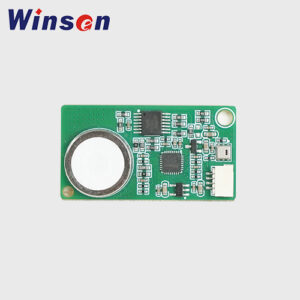
Refrigerant Sensor Germany – Reliable Supply from China Sensor Factory Winsen
Germany is recognized as the industrial powerhouse of Europe, with world-class engineering, a strong automotive sector, advanced building technologies, and strict environmental policies. In such a market, the role of 냉매 센서 is increasingly critical. From automotive air conditioning 그리고 industrial refrigeration to commercial HVAC 그리고 data centers, Germany has a strong and growing demand for reliable refrigerant detection solutions.
At the same time, Germany is a leading advocate of the EU Green Deal and strict environmental regulations such as the F-GAS 규정, which targets high-GWP refrigerants. This regulatory landscape is accelerating the adoption of advanced 냉매 센서 for leak detection, compliance, and system optimization.


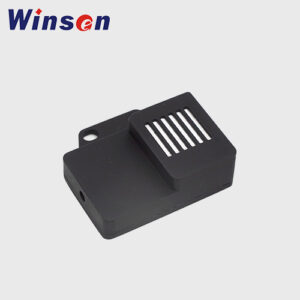
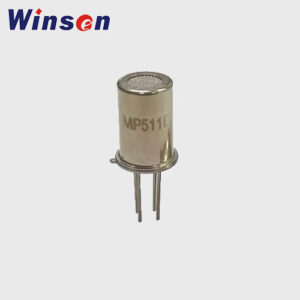
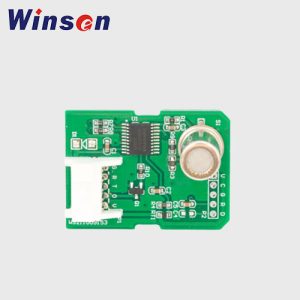
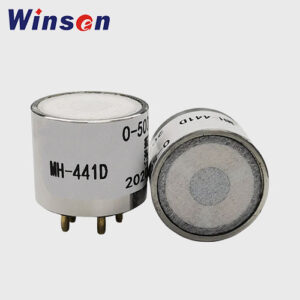
냉매 센서 - 전 세계 공장 도매
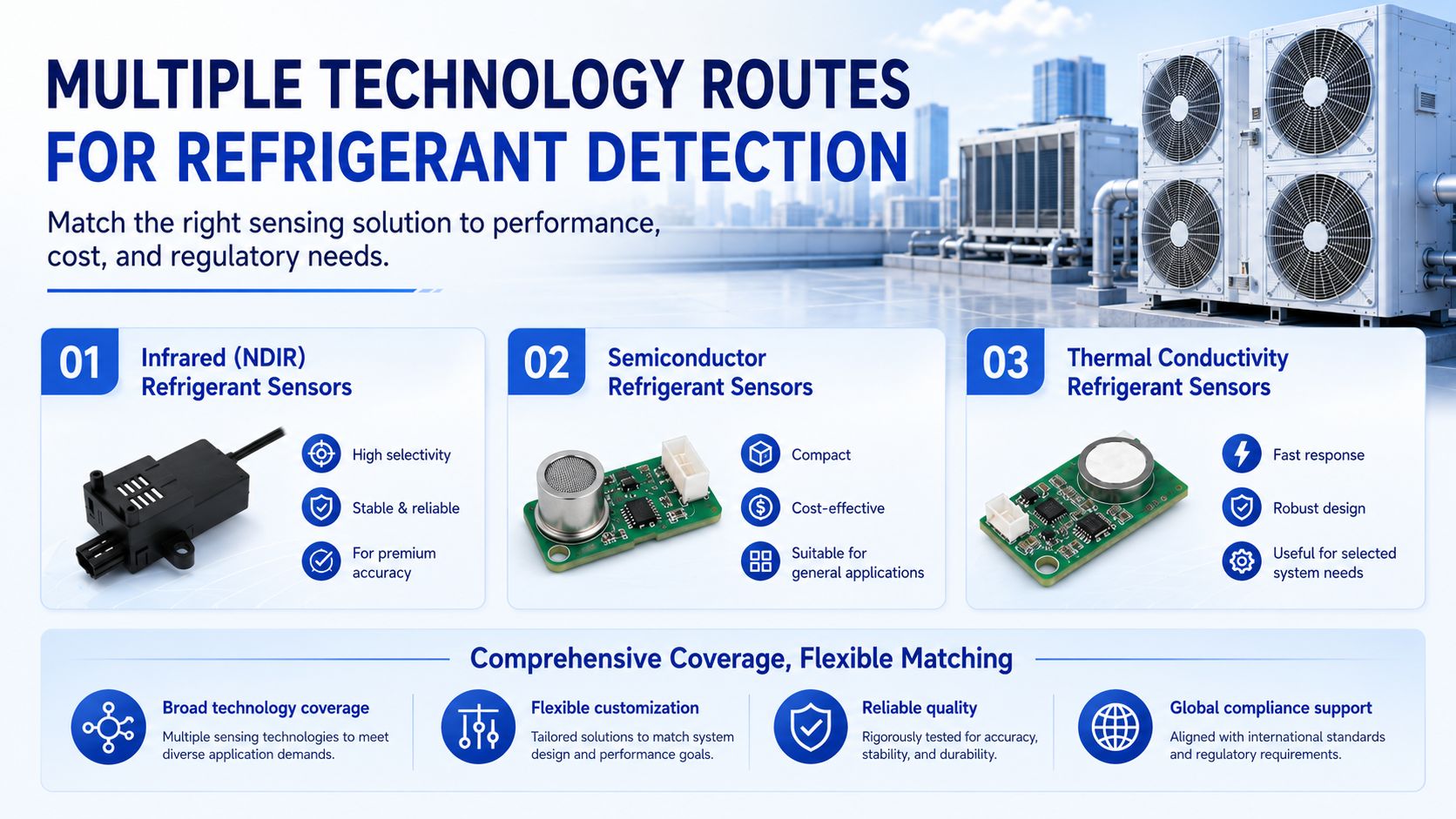
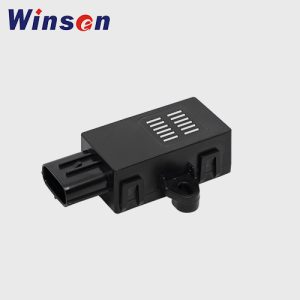
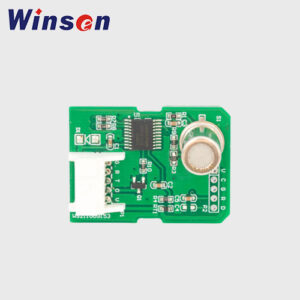
이기다, a 중국에 기반을 둔 주식 시장은 회사를 상장했습니다, is one of the most complete sensor solution providers worldwide. With more than 30 years of R&D and manufacturing expertise, Winsen supplies refrigerant sensors based on multiple technologies, including NDIR (비 분산 적외선), MOS (반도체).
오랫동안 운영 수명
안정적인 교정
높은 감도
빠른 응답 및 복구 시간
NDIR 냉매 센서
반도체 냉매 센서
What is a Refrigerant Sensor?
에이 냉매 센서 is a gas detection device used to monitor refrigerant leaks, concentrations, and system safety. It is widely applied in:
HVAC (Heating, Ventilation, Air Conditioning) 시스템
Refrigeration equipment (supermarkets, cold storage, logistics)
Automotive air conditioning
Data center cooling
Industrial processing systems
Key Functions
누출 감지: Identifies small refrigerant leaks before they escalate.
안전 모니터링: Prevents hazardous concentrations of flammable or toxic refrigerants.
Environmental Compliance: Helps companies adhere to EU F-Gas and GWP reduction targets.
System Optimization: Improves maintenance efficiency and energy savings.
냉매 센서의 유형
1. NDIR (비 분산 적외선) 센서
원칙: Detect refrigerant gases by measuring infrared absorption.
장점: High accuracy, long lifespan, stable performance.
응용 프로그램: High-end HVAC, data centers, supermarkets, leak monitoring.
2. MOS (Metal-Oxide Semiconductor) Sensors
원칙: Gas interaction changes the resistance of a semiconductor layer.
장점: Cost-effective, compact, fast response.
응용 프로그램: Automotive AC, portable leak detectors, residential safety devices.
3. 전기 화학 센서
원칙: Chemical reaction with the target gas generates an electrical signal.
장점: High sensitivity, selective detection.
응용 프로그램: Industrial safety, toxic refrigerant monitoring.
4. 광 음향 센서
원칙: Detect gas concentration by measuring sound waves generated from IR absorption.
장점: Excellent selectivity and sensitivity.
응용 프로그램: Precision leak detection, research facilities.
5. MEMS-Based Sensors
원칙: Micro-electromechanical systems use miniaturized structures to sense gases.
장점: Miniaturization, low power, IoT integration.
응용 프로그램: Smart homes, wearable devices, portable monitors.
Refrigerant Sensor Applications in Germany
자동차 산업
Germany is home to automotive giants like BMW, Volkswagen, Mercedes-Benz, and Audi. Vehicle air conditioning requires compact, reliable refrigerant sensors to monitor cabin air quality and refrigerant leaks, particularly as cars transition to low-GWP refrigerants like R-1234yf.
Supermarkets and Food Logistics
Refrigerated storage is vital for Germany’s food retail and export industry. NDIR 냉매 센서 are widely used in supermarket cold displays and logistics chains to reduce refrigerant loss and comply with EU safety standards.
HVAC in Commercial Buildings
Germany’s office complexes, hospitals, and public buildings use advanced HVAC systems. Leak detection sensors improve safety, reduce maintenance costs, and ensure compliance with EU energy efficiency regulations.
스마트 도시와 녹색 건물
Germany leads in smart building solutions. Integration of MEMS and IoT refrigerant sensors enhances predictive maintenance, energy efficiency, and safety monitoring.
Industrial and Chemical Plants
German industry relies on cooling systems in manufacturing, pharmaceuticals, and chemicals. Refrigerant sensors protect workers, assets, and the environment.
데이터 센터
With the rise of cloud computing, Germany is seeing rapid growth in data centers. Cooling systems rely on refrigerants, and NDIR 센서 play a vital role in detecting leaks and preventing downtime.
글로벌 고객이 우리를 선택하는 이유는 무엇입니까?
이 회사는“훌륭한 장인 정신, 과학 혁신, 우수성 추구 및 부가가치 서비스”의 품질 정책을 지속적으로 준수합니다. 생산 프로세스 제어 계획 및 작업 지침을 공식화함으로써 표준화되고 책임감 있고 규제 된 프로세스 관리 시스템을 확립했습니다. 또한이 회사는 MES 생산 관리 시스템을 독립적으로 개발하여 전체 워크 플로에서 포괄적이고 시각적 관리를 가능하게했습니다.

30 년 이상의 경험
R&D, manufacture and sales of sensors and sensing solutions.
품질 보장 지속적인 개선
완전하고 견고한 프로세스 흐름 제어와 상당한 개선과 함께.


국제 시장
100 개 이상의 국가와 지역에 감지 제품을 제공하십시오.
안정적인 공급망 신뢰할 수있는 생산
핵심 구성 요소는 제약 조건, 제조 및 테스트를위한 고급 장비를받지 않습니다.


R&D STRENGTH TECHNOLOGY INNOVATION
200+ patents, 180+ R&D team members, self-built labs for continous innovation.
원 스톱 서비스
전문 상담, 빠른 배송, 24 시간 후-판매 후 지원.

Leading the Industry, Innovative & Controllable Technology
With robust R&D capabilities, we maintain sustained input in R&D and unwavering commitment to technological innovation. This not only ensures that we remain at the forefront of industry but also drives continuous innovation, leading the future trend of the sensing industry.
10% R&D Input
The average annual R&D input exceeds 10% of the annual revenue.
5+ R&D Layout
With Zhengzhou headquarters as the core, a nationwide R&D and innovation system is being established, encompassing cities of Shanghai, Wuhan, Shenzhen, and Taiyuan.
180+ R&D Team
There are over 180 R&D personnel, including more than 10 with doctoral degrees and over 50 with master's degrees, who have an average of more than 8 years of experience in sensor development.
20+ 실험 유형
가스 관련, 기후 환경, EMC, 전기 성능, 기계적 성능 등
10+ 고급 실험실
CNAS 실험실, MEMS 실험실, UL 실험실, 나노 복합 재료 실험실 등
400+ sets Leading R&D Equipment
큐브 보관소, 다이 본더, 리소그래피 머신, 코팅 머신, SMT 배치 기계, 자동 프로브 스테이션 등
Environmental Regulations in Germany
Germany enforces some of the world’s strictest refrigerant regulations through the EU F-GAS 규정, which aims to cut greenhouse gas emissions by phasing down high-GWP refrigerants.
Montreal Protocol & Kigali Amendment: Commitment to phase out ozone-depleting substances.
EU F-GAS 규정: Targets HFC reduction by two-thirds by 2030.
지역 규정: Building codes require refrigerant leak detection in many applications.
Shift to Alternatives: Natural refrigerants (CO₂, ammonia, hydrocarbons) and low-GWP HFOs (R-1234yf, R-1234ze).
Refrigerant sensors are critical to this transition, ensuring safety, compliance, and sustainability.
Comparison of Refrigerant Sensor Technologies
| 센서 유형 | 정확성 | 비용 | 수명 | 응용 프로그램 |
|---|---|---|---|---|
| n입니다 | 높은 | Medium-High | Long | HVAC, supermarkets, data centers |
| MOS | 중간 | 낮은 | 중간 | Automotive AC, residential devices |
| 전기 화학 | 높은 | 중간 | 중간 | Industrial safety, toxic gases |
| 광 음향 | Very High | 높은 | Long | Research, precision detection |
| MEMS | 중간 | 낮은 | Long | IoT, smart homes, wearables |
FAQ
Q1: Why are refrigerant sensors crucial in Germany?
Because of strict environmental regulations, high refrigerant costs, and safety needs across industries.
Q2: Which refrigerant sensor technology is most suitable for data centers?
NDIR 센서 are preferred due to their accuracy, stability, and long operational life.
Q3: How do Chinese suppliers compare to European ones?
Chinese suppliers like Winsen offer cost-effective, reliable, and customizable solutions, making them ideal partners for German companies.
Q4: Why choose Winsen for refrigerant sensors?
Winsen is a stock-listed Chinese manufacturer with 30+ years of experience, offering worldwide proven solutions.