1. Sissejuhatus
In modern commercial air conditioning systems, refrigerants play a vital role in transferring heat to create comfortable indoor environments. However, the presence of refrigerants also introduces a set of challenges — particularly the risks associated with refrigerant leakage. These leaks can result in system inefficiencies, environmental harm, regulatory non-compliance, and even safety hazards for occupants.
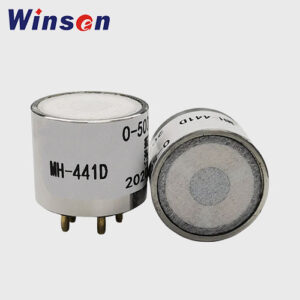
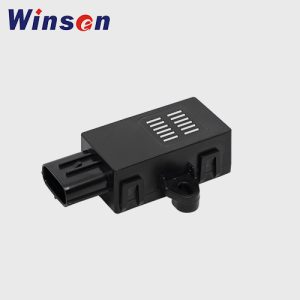
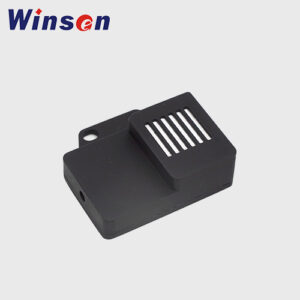
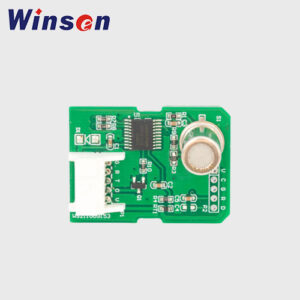
To address these risks, Külmutusagensi andurid are employed as part of a larger monitoring and safety strategy. These sensors continuously detect the presence of refrigerant gases in the environment and alert operators or control systems in case of abnormal conditions. This article explores the principles, types, uses, and importance of refrigerant sensors in commercial air conditioning, with a focus on their role in compliance, energy efficiency, occupant safety, and environmental responsibility.
2. The Role of Refrigerants in Commercial HVAC Systems
2.1 What Are Refrigerants?
Refrigerants are chemical compounds used in HVAC (Heating, Ventilation, and Air Conditioning) systems for heat exchange. They absorb heat from the interior of a building and release it outside, enabling temperature control in large commercial spaces such as office buildings, malls, hospitals, and factories.
Common refrigerants in commercial air conditioning include:
- HFCs (Hydrofluorocarbons): e.g., R-134a, R-410A, R-407C
- HFOs (Hydrofluoroolefins): e.g., R-1234yf, R-1234ze
- Natural refrigerants: e.g., CO₂ (R-744), Ammonia (R-717), Propane (R-290)
2.2 Environmental and Safety Challenges
While efficient, refrigerants can pose risks:
- Greenhouse Gas Emissions: Many refrigerants have high Globaalne soojenemispotentsiaal (GWP).
- Tuleohtlikkus: Some modern alternatives like hydrocarbons and HFOs are mildly flammable.
- Toksilisus:: Ammoniaak and other natural refrigerants may be toxic if leaked.
For these reasons, monitoring refrigerant levels through sensors is essential in commercial systems.
3. What is a Refrigerant Sensor?
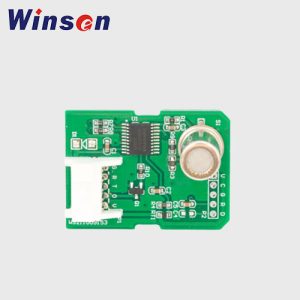
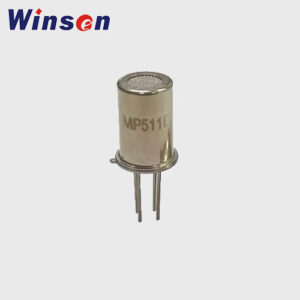
A refrigerant sensor is an electronic device that detects the presence and concentration of refrigerant gases in the air. It can trigger alarms, send notifications, or initiate shutdown procedures to protect equipment, personnel, and the environment.
3.1 Basic Functionality
Refrigerant sensors typically:
- Continuously sample ambient air
- Identify specific refrigerant gases or mixtures
- Provide real-time readings in ppm (parts per million)
- Päästik alarms or control signals when thresholds are exceeded
3.2 Placement in Commercial Settings
In commercial air conditioning, refrigerant sensors are commonly installed:
- Near HVAC equipment (e.g., compressors, evaporators, chillers)
- In mechanical rooms
- In occupied zones, especially for VRF (Variable Refrigerant Flow) systems
- Inside ducting or near ceiling units
4. Sensor Technologies Used for Refrigerant Detection
There are several sensor technologies used to detect refrigerants. Each has unique advantages and applications.
4.1 Infrared (NDIR) Sensors
- Põhimõte: Measures absorption of infrared light by gas molecules.
- Plussid: High accuracy, specific to refrigerant type, long lifespan.
- Miinused: More expensive; may require periodic calibration.
4.2 Semiconductor (Metal Oxide) Sensors
- Põhimõte: Changes in electrical resistance of a heated metal oxide surface upon gas exposure.
- Plussid: Low cost, good for general detection.
- Miinused: Less specific; susceptible to humidity and temperature variations.
4.3 Elektrokeemilised andurid
- Põhimõte: Generates current from a chemical reaction between gas and electrode.
- Plussid: Accurate for toxic gases like ammonia.
- Miinused: Limited lifespan (2–3 years); not suitable for all refrigerants.
4.4 Fotoakustilised andurid
- Põhimõte: Measures pressure waves generated by gas absorption of modulated light.
- Plussid: Highly selective, minimal drift.
- Miinused: High cost; more complex setup.
4.5 Pellistor (Catalytic Bead) Sensors
- Põhimõte: Detects heat from oxidizing flammable gases.
- Plussid: Effective for hydrocarbon-based refrigerants.
- Miinused: Not suitable for non-flammable refrigerants like R-410A.
5. Applications in Commercial Air Conditioning
Refrigerant sensors are used across various commercial applications:
5.1 Centralized Chiller Plants
Chiller plants serve entire buildings or complexes. Leaks in high-capacity systems can be catastrophic. Refrigerant sensors are deployed near:
- Compressors
- Valve connections
- Evaporators and condensers
5.2 VRF/VRV Systems
Variable Refrigerant Flow systems use long piping and multiple indoor units, increasing the risk of leakage in occupied spaces. Sensors monitor indoor air quality to:
5.3 Data Centers
Cooling systems in data centers must operate continuously and safely. Sensors protect sensitive equipment and ensure regulatory compliance for:
- Fire suppression systems using HFCs
- Environmental monitoring
5.4 Supermarkets and Cold Storage
Large refrigeration systems may use Co₂ or ammonia. Sensors help:
- Detect toxic or high-pressure gas leaks
- Automate emergency ventilation or shutdowns
6. Regulatory Requirements and Standards
6.1 ASHRAE Standard 15
This American standard outlines the safety code for mechanical refrigeration, including:
- Requirements for refrigerant leak detectors
- Threshold limits for various refrigerants
- Alarm system integration
6.2 EN 378 (European Standard)
Focuses on safety and environmental requirements for refrigeration systems:
- Gas detection for systems in occupied areas
- Mandatory leak detection above certain refrigerant charges
6.3 F-Gas Regulation (EU)
- Requires periodic leak testing and detection systems for large systems.
- Encourages use of madala GWP-ga külmutusagensid and mitigation of emissions.
6.4 UL Certification
Sensors must meet UL 60335-2-40 ja UL 2075 for gas detection safety, especially in flammable refrigerant applications.
7. Benefits of Refrigerant Sensors
7.1 Safety
- Takistab asphyxiation risks from refrigerants displacing oxygen
- Alerts to toxic gas exposure (e.g., ammonia)
- Tuvastama flammable gas accumulation
7.2 Environmental Protection
- Reduces greenhouse gas emissions
- Supports compliance with climate regulations
- Enables sustainable facility management
7.3 Cost and Equipment Protection
- Takistab compressor burnout from low refrigerant charge
- Reduces repair and maintenance costs
- Minimizes downtime and service disruptions
7.4 Occupant Comfort and Trust
- Tagama air quality in public spaces
- Enhances building credibility and certification (e.g., LEED, WELL)
8. System Integration and Smart Building Controls
Modern refrigerant sensors are often integrated into hoonehaldussüsteemid (BMS) või IoT platforms to provide:
- Real-time monitoring dashboards
- Cloud-based alerts and reports
- Ennustav hooldus
- AI-driven leak diagnostics
Some sensors include built-in Modbus, BACnet, or Wi-Fi connectivity for easy integration.
9. Selection Criteria for Commercial Use
When selecting a refrigerant sensor for commercial HVAC systems, consider:
| Criteria | Üksikasjad |
|---|---|
| Sihtgaas | Specific refrigerant(s) to be detected |
| Sensitivity | Detection range and accuracy |
| Risttundlikkus | Resistance to false positives from other gases |
| Reageerimisaeg | How quickly the sensor reacts to leaks |
| Maintenance Needs | Calibration frequency and sensor lifespan |
| Environment | Operating temperature, humidity, exposure risks |
| Vastavus | Certification for local regulations (e.g., CE, UL, ATEX) |
10. Future Trends in Refrigerant Sensing
10.1 AI and Predictive Sensing
Next-generation refrigerant sensors are incorporating AI algorithms jaoks:
- Leak pattern recognition
- Predictive failure analysis
- Automated reporting for compliance
10.2 Lower GWP Refrigerants and Detection Challenges
The shift to mildly flammable HFOs ja looduslikud külmutujad increases the need for accurate, flameproof sensors in commercial environments.
10.3 Miniaturization and Integration
Manufacturers are developing compact multi-sensor modules that combine temperature, pressure, humidity, and refrigerant detection into one device for smarter HVAC design.
11. Conclusion
As commercial HVAC systems become more complex and environmentally conscious, refrigerant sensors have become indispensable tools in ensuring safety, reliability, and sustainability. Whether used to detect potentially hazardous leaks, improve system performance, or meet strict environmental regulations, these sensors are a cornerstone of modern air conditioning infrastructure.
For building owners, engineers, and facility managers, selecting and properly integrating refrigerant detection systems is not only a regulatory requirement but also a strategic investment in long-term operational success.